
Last updated November 24, 2026
 Sweep & inspection
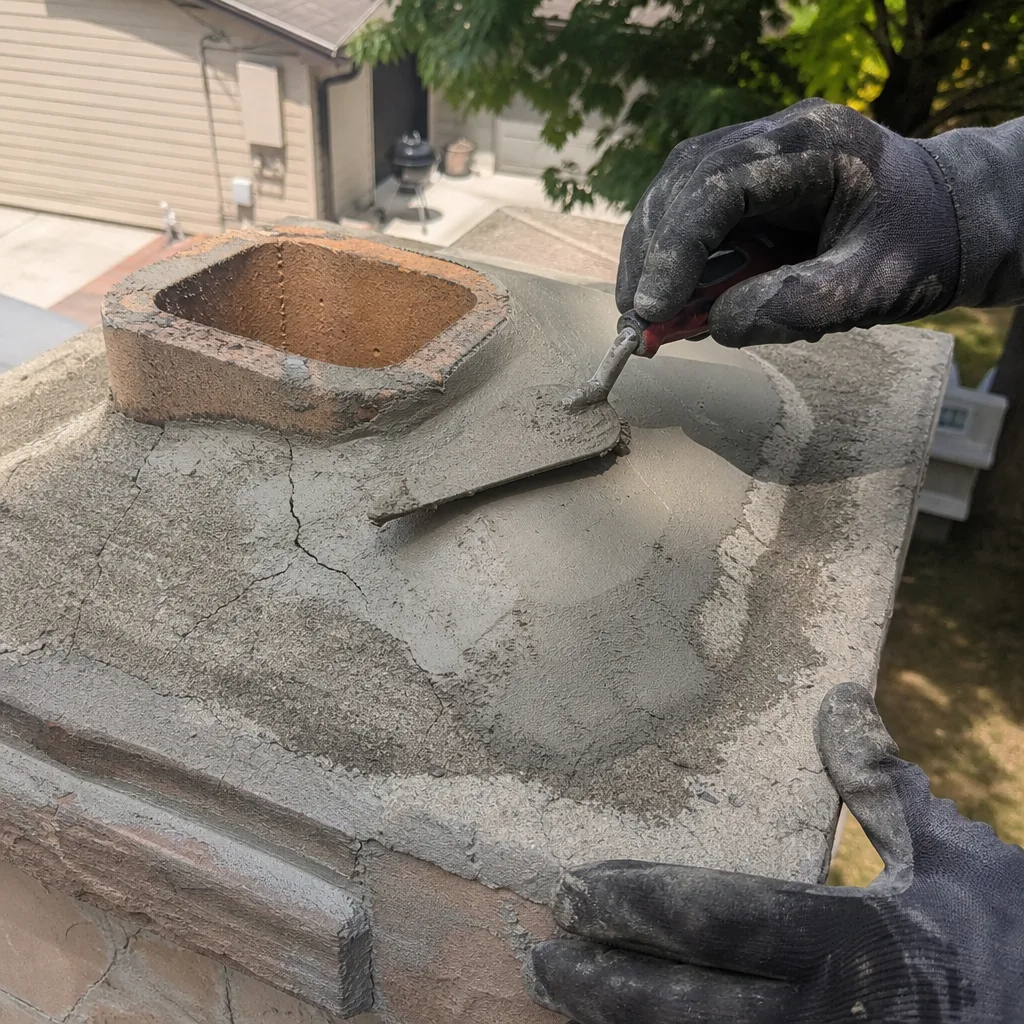
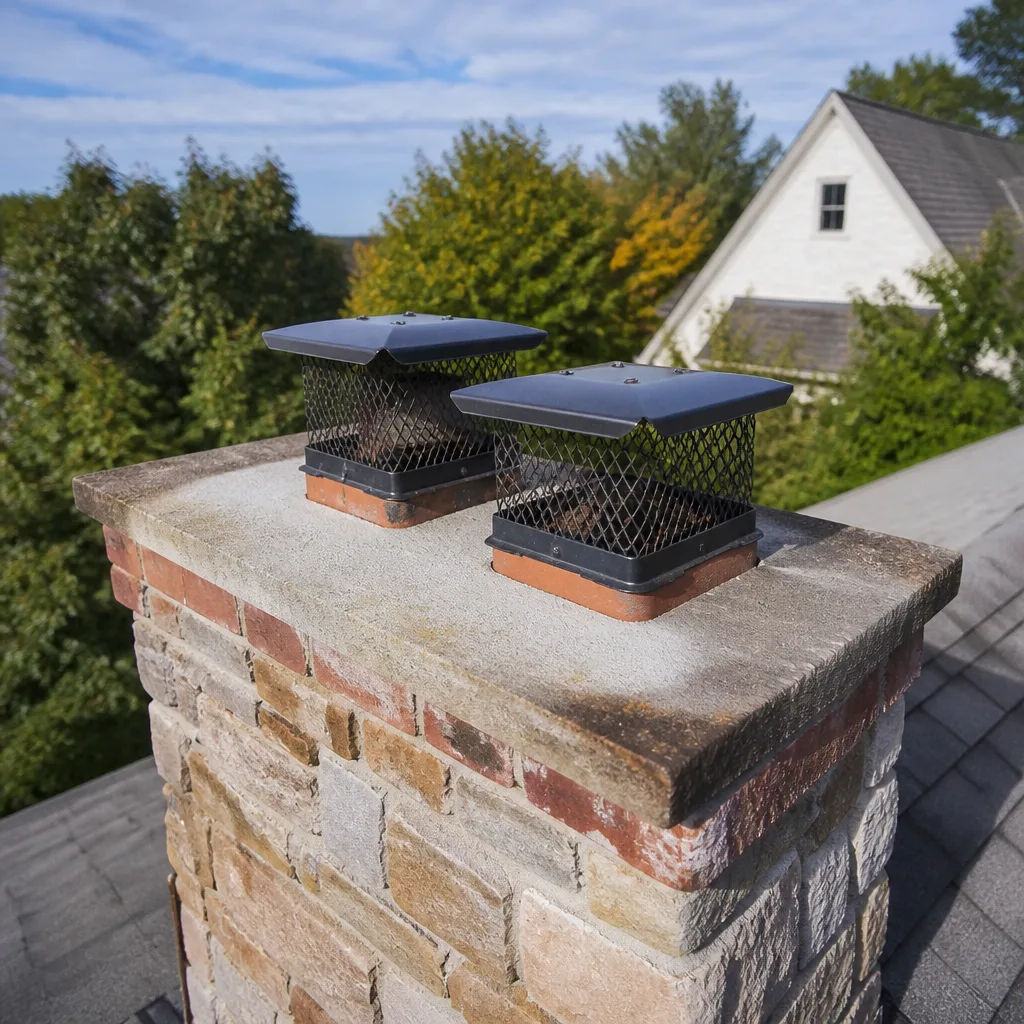
 Caps & crowns
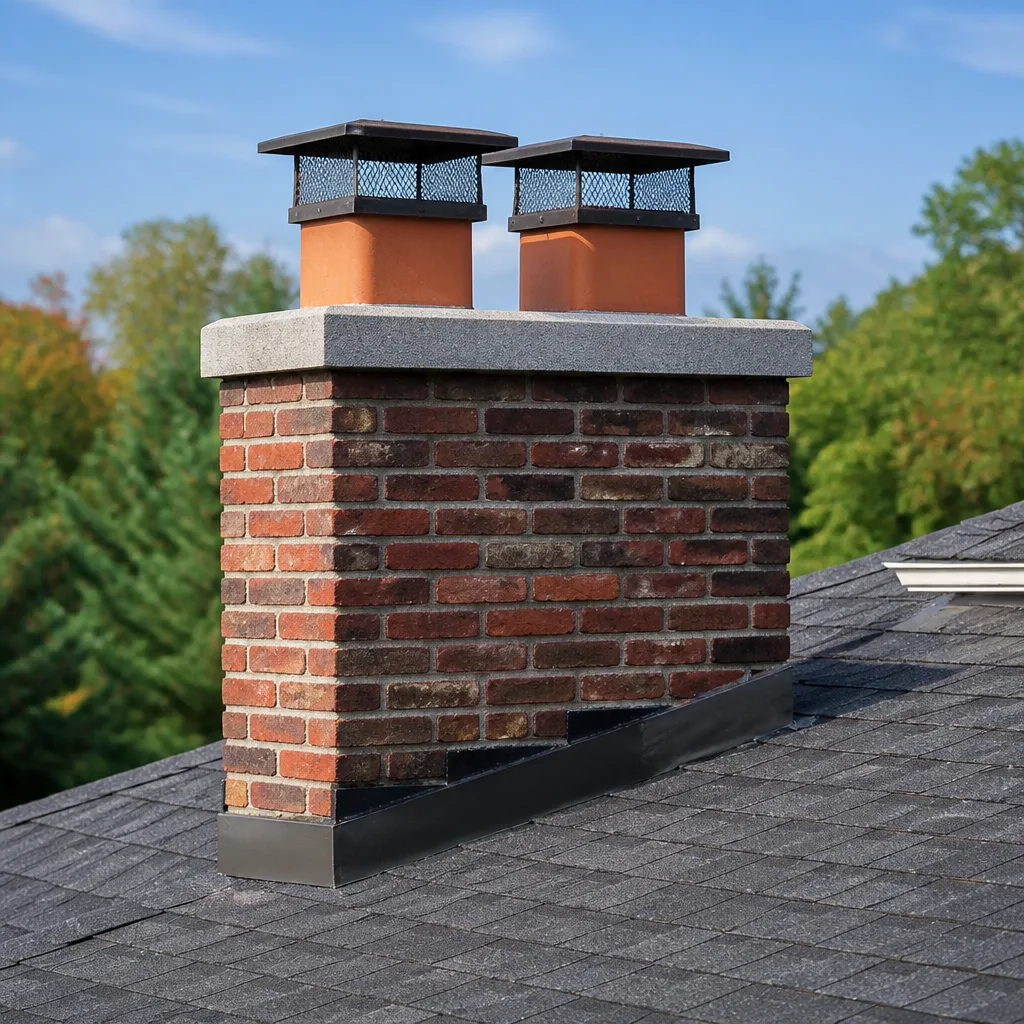
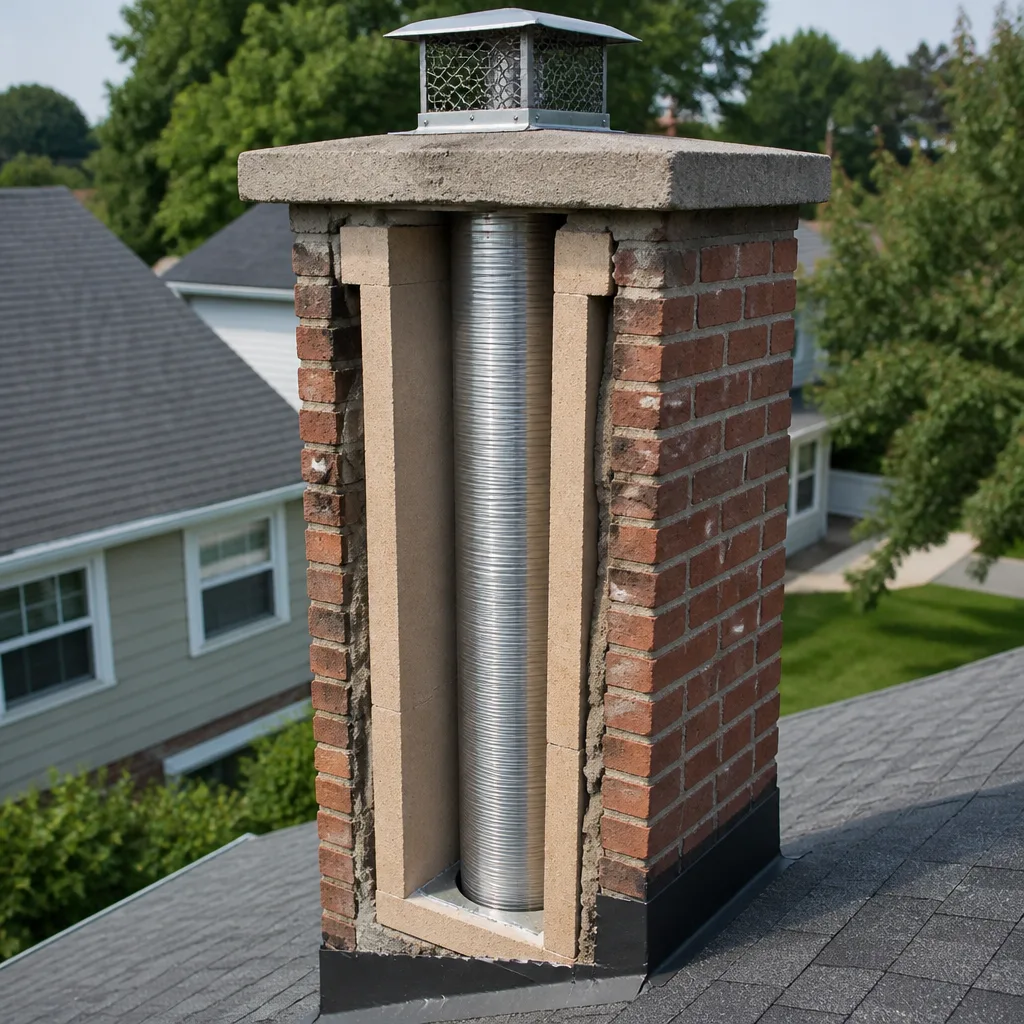 Flue relining
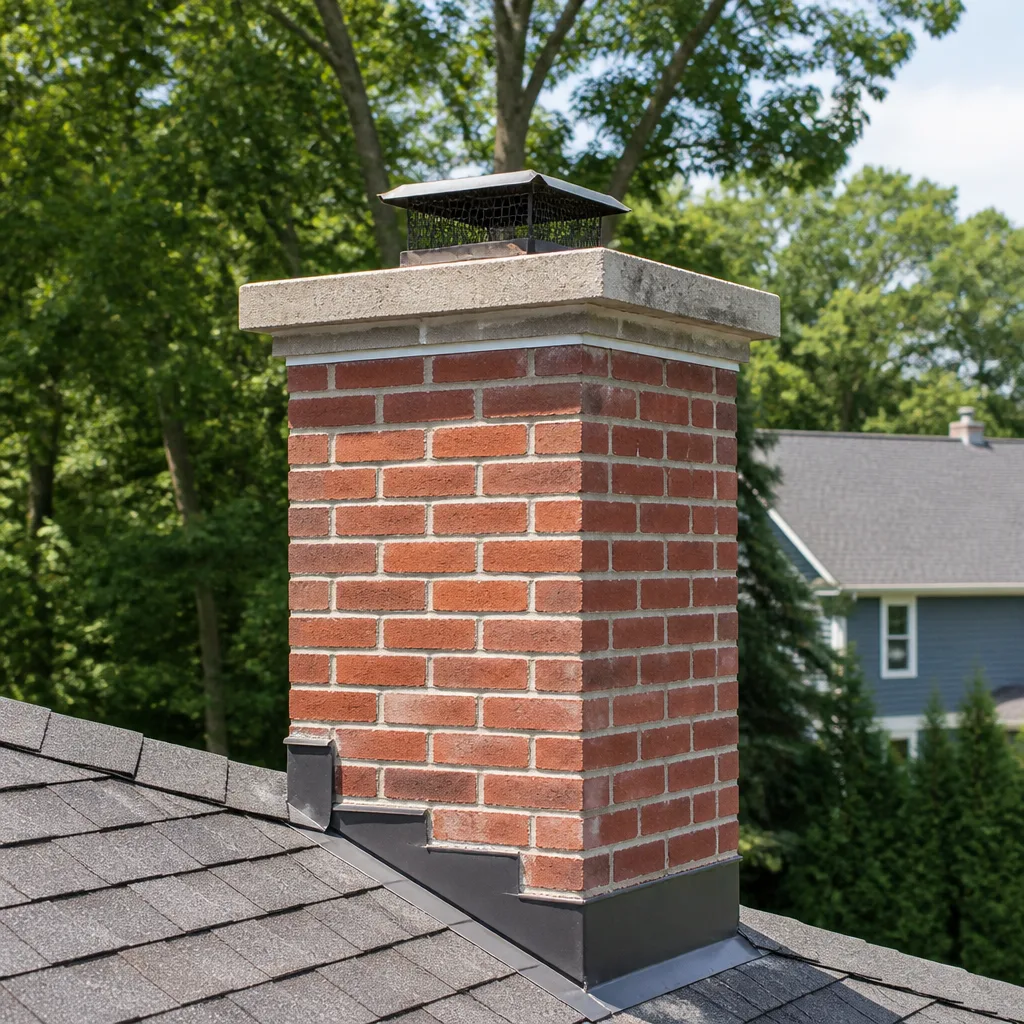 Masonry repair
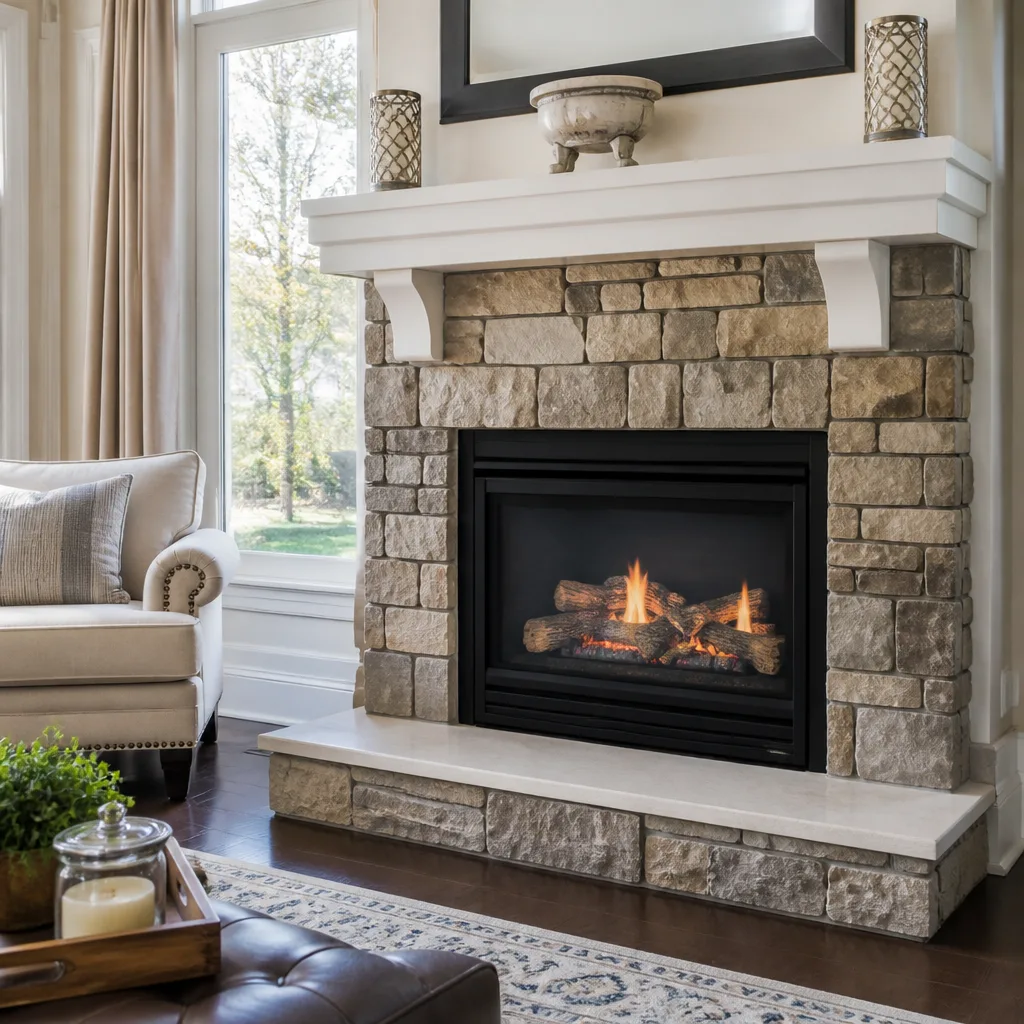 Gas fireplace service
Level 1 sweep and inspection to the NFPA 211 annual standard - flue, crown, cap, and flashing checked and photographed
Chimney sweep logs do not sweep chimneys. They loosen some creosote - which then falls where a brush and vacuum still have to collect it.
The Complete Guide to Chimney Cleaning in Lehi
Most chimney fires don’t start because a homeowner skipped cleaning. They start because the cleaning was incomplete. A brush run through the flue without inspecting the smoke shelf, damper, or firebox floor misses the spots where creosote and debris actually collect. You pay for a sweep, the technician leaves, and the dangerous load stays exactly where it was. If you’ve ever wondered whether the service you booked actually covered the whole system, you’re not alone. Lehi homeowners ask us this constantly, and the answer says a lot about how chimney work should be done. This guide maps what a proper cleaning involves from the firebox to the crown, why conditions here in the valley matter, and how to know the job was done right.
Quick Answer
Chimney cleaning in Lehi involves more than brushing the flue: it includes removing creosote and debris from the firebox, smoke shelf, damper, and flue, plus a Level 1 inspection of the accessible parts of the system. For wood-burning fireplaces, most homes need a sweep once a year or after roughly a cord of wood; gas inserts need their own flue check on a different schedule. Utah’s winter inversion seasons trap smoke and slow draft, which accelerates creosote accumulation, so “I only burn a little” is a weak reason to stretch the interval.
Styles & brands we work with
- Sweep & inspection
- Caps & crowns
- Flue relining
- Masonry repair
- Gas fireplace service
Table of Contents
- What does a chimney cleaning actually include?
- What a Level 1 inspection covers (and what it doesn’t)
- How Utah’s inversion season changes creosote buildup
- Wood fireplace vs. gas insert: why the sweeps aren’t interchangeable
- The smoke shelf: the most overlooked debris trap
- How to verify the cleaning was done correctly
- How often should a Lehi chimney be swept?
- What does chimney cleaning cost in Lehi?
What does a chimney cleaning actually include?
A professional cleaning covers the whole fire-to-sky path, not just the visible flue. That means the firebox walls and floor, the damper, the smoke chamber, the smoke shelf, the flue itself, and a look at the cap and crown from the roof or ground as access allows. The difference between a complete job and a brush-and-go shows up in the details.
A full cleaning typically works through these steps:
- Drop cloths and containment around the hearth so soot and creosote don’t end up on your floor or in the room.
- Firebox and damper clearing: ash, debris, and any fallen material removed before the flue is touched.
- Smoke chamber and smoke shelf scraping, which is where the heaviest creosote tends to sit.
- Flue brushing with the correct size and type of brush for your flue material and shape.
- Vacuum and cleanup with a HEPA-equipped unit so fine dust doesn’t drift back into the home.
- A condition look at the accessible parts of the system, flagging cracks, gaps, or rust as they turn up.
What’s notably absent from that list is any kind of repair. Cleaning and repair are separate jobs, and a technician who finds a problem during a sweep should document it and quote it, not start tearing into the flue on the spot. From the firebox to the crown, every part of the system gets looked at, but the cleaning itself stays a cleaning.
If you want a cleaning plus a proper condition report in Lehi, that combination is what separates a real chimney sweep visit from a handyman brushing ash off a damper. Our technicians have up to 12 years of experience and work with professional-grade materials on the repair side. Estimates are free.
What a Level 1 inspection covers (and what it doesn’t)
A Level 1 inspection is the basic visual assessment of the readily accessible portions of your chimney and venting system, and it’s what usually accompanies a routine cleaning. It checks for obvious problems without opening anything up or using a camera. It does not evaluate concealed flue liners, internal masonry voids, or the inside of an offset flue, which is why it isn’t a substitute for a higher-level inspection when conditions call for one.
Here’s what a Level 1 inspection looks at:
- The firebox, damper, and smoke chamber for visible cracks or heavy creosote
- The accessible portion of the flue, usually from the top or the firebox
- The chimney cap and crown for damage, missing mesh, or separation
- The exterior masonry for spalling or open joints where reachable
- Signs of drafting problems inside the home
- Whether the appliance connected to the flue matches its size and type
What it doesn’t cover is anything you can’t see without tools. A hairline crack inside a clay liner, a failed joint behind a wall, or a nesting blockage in an offset flue can all pass a Level 1 check. If you’ve had a chimney fire, a home inspection flag, a change of appliance, or a structural event, that’s a reason for a deeper look.
One thing we think Lehi homeowners should know: inspection is offered as its own service here, not gated behind a cleaning upsell. Your chimney inspected on its own terms means you can book a condition report before you buy a house, before you list one, or after a home inspector flags something, and know the report isn’t tied to whether you buy a sweep that day.
How Utah’s inversion season changes creosote buildup
Inversion is the single biggest local variable in how fast a Lehi chimney loads up with creosote. When cold, dense air sits under a warmer layer and the valley’s pollution and smoke get trapped near the ground, outside air pressure changes and the chimney stops pulling well. Poor draft means smoke lingers, cooler flue gases condense on the walls, and creosote builds faster than it would in a dry, high-draft climate.
Compare that to a drier, windier climate where smoke clears quickly. There, a homeowner who burns a cord a season can sometimes stretch their cleaning interval without mounting creosote. Here in the valley, inversion days turn that same cord into a heavier deposit. It’s not about how much you burn; it’s about how efficiently the smoke exits.
The practical effects of inversion on a chimney system:
- Cooler flue gases condense, so second- and third-degree creosote forms sooner
- Smoldering, low-air burns during inversions produce more unburned material
- Draft fluctuations make back-drafts into the room more common
- Ash and soot collect on the smoke shelf and damper shelf faster
- Seasoned wood matters more, because wet wood smokes harder when the air is thick
What we recommend: check your flue at the end of inversion season, not just before winter. Burning through the winter is the load; spring is when you can see the accumulation clearly. If you burn a wood stove or open fireplace hard, plan a sweep every year. If you burned lightly but through an extended inversion, don’t assume a full year of burn didn’t create a full year of deposit.
Wood fireplace vs. gas insert: why the sweeps aren’t interchangeable
A wood-burning fireplace and a gas insert are not the same job, and a technician who treats them the same is going to miss something. A wood flue needs creosote removal. A gas insert has no creosote at all, because there’s no solid fuel to condense on the walls. What a gas flue does collect is different: dust, debris, animal nests, and corrosion products from the venting. The cleaning tools and the things you look for change completely.
What a wood fireplace sweep focuses on:
- Creosote removal from the flue, smoke chamber, and firebox
- Damper operation and fit
- Ash and debris removal from the firebox floor
- Masonry condition inside the firebox
What a gas insert flue check focuses on:
- Blockage from birds, nests, or debris in the venting
- Venting clearances and connector integrity
- Corrosion or cracked metal where moisture sits
- Termination condition at the cap
The reason this matters in Lehi is some homeowners switch to a gas insert and then call for a “sweep” as if the old wood protocol still applies. It doesn’t. A gas vent may not need brushing at all, but it still needs inspection and blockage clearing. If you’ve converted from wood, the sweep you need is not the sweep you used to need. If you’re not sure what’s connected to your flue, an inspection is the fastest way to know before winter.
If part of the system turns up damaged during a check, that’s where fireplace repair comes in, and it’s a different scope from cleaning. We use HeatShield for firebox and liner restoration when a repair is the right next step, which means fixes can happen without full demolition.
The smoke shelf: the most overlooked debris trap
The smoke shelf is a flat ledge just behind the damper at the bottom of the smoke chamber, and it’s where a lazy or fast cleaning stops. A brush pushed straight up the flue never touches it. Soot, ash, and creosote flakes settle on that shelf over the course of a burn season, and if it stays there, the deposit affects draft and is a real fuel source if anything ignites above it.
Why it gets missed:
- The smoke shelf sits behind the damper, where a technician has to reach and scrape by hand
- A flue-only brush doesn’t have the right tool or angle
- It’s a hiding place for fallen ash that looks cleared from the firebox floor
- Soot on the smoke chamber walls reflects light off the shelf’s surface and hides depth
What you should see when the shelf is properly addressed: the flat ledge cleaned, the smoke chamber walls at least scraped of loose material, and the damper functioning freely afterward. If a technician finished cleaning in a hurry and never opened the damper to reach behind, ask why. A written cleaning scope that names the smoke shelf is a good sign the job was planned as a full cleaning rather than a flue brush.
The same applies to the firebox floor. Ash and debris should be removed with the vacuum, not left because it “looks like fireplace ash anyway.” Ash holds creosote dust. If you’re hiring a sweep, a scope that specifies firebox, damper, smoke shelf, smoke chamber, and flue is the standard to expect.
How to verify the cleaning was done correctly
Verification starts before the technician leaves, while you’re standing there. The simplest checks are visual, and they tell you a lot about whether the job matched the quote.
- Look at the firebox floor. It should be clean of ash and debris, with no leftover soot on the walls.
- Open and close the damper. It should move freely and seat flush, with no grit on the sealing edge.
- Shine a light up the flue opening. Anywhere you can see should look clean, not coated.
- Ask about the smoke shelf and smoke chamber. A good technician will tell you exactly what was cleaned there and show you.
- Check the room. Drop cloths pulled up should leave no dust trail; a proper HEPA vacuum is why.
- Ask for the written findings. Any issues flagged should be described and quoted, not sold on the spot.
A cleaning plus a camera inspection and a photo report is a stronger result than a verbal “you’re good.” If a technician holds the camera with you and walks through what it shows, you can see for yourself what’s clean and what needs attention. We build that into our fixes because the real hesitation homeowners have is being told they need major work they can’t verify.
If a technician tells you they’ll quote the repairs in the cleaning price, ask them to put the scope in writing. Built to last, not patched to pass means any repair recommended has evidence behind it and a product behind it. That means proper materials like an Olympia Chimney cap or a DuraFlex liner, not a hardware-store substitute.
How often should a Lehi chimney be swept?
Most Lehi homes with a wood-burning fireplace or stove should be swept once a year, or after burning about a cord of wood, whichever comes first. If you burn daily through the winter or your home runs through more than a cord, plan on the more frequent of those two rules. A gas insert doesn’t follow that schedule because there’s no creosote to remove; it needs a venting check instead.
What to factor in for your own interval:
- Volume of wood burned, more reliably measured in cords than in “a couple fires a week”
- Wood quality: seasoned, dry wood smolders less; packed green wood creates more creosote
- Draft quality on your stretch of the valley, since inversion days hurt draw
- Housing: a fireplace on an exterior wall runs cooler and can condense faster
- Length of burn season, which for most Lehi homes runs from fall into spring
- Whether the home has ever had a chimney fire, which resets the whole schedule
The rule of thumb worth remembering: one cleaning a year is the baseline, but a home that burns hard through inversions needs the sweep, not a “wait and see.” If you bought a home and have no record of the last cleaning, book a sweep-and-inspection combination as your first act. A prior owner’s habits are invisible unless someone looks.
What does chimney cleaning cost in Lehi?
A typical chimney cleaning in Lehi runs in a modest range that depends on the flue type, access, and whether you add an inspection. A standard wood fireplace sweep is usually the lowest cost step. A cleaning bundled with a Level 1 inspection, or an inspection alone, is quoted separately. Repairs, when they’re needed, are a different range and are quoted after the camera work, not before.
Typical estimates in the Lehi market look like this:
| Service | Typical estimate |
|---|---|
| Standard wood fireplace sweep | Modest flat rate, quoted per job |
| Sweep plus Level 1 inspection | Higher flat rate, quoted per job |
| Standalone inspection (Level 1) | Quoted per job |
| Camera inspection and photo report | Quoted with the inspection |
| Liner or firebox repair (HeatShield, DuraFlex) | Quoted after inspection |
| Cap and crown installation (Gelco, Famco) | Quoted per job |
Why we don’t print dollar figures for every line: the sweep price can swing widely based on how many flues are on the chimney, the fuel type, access from the roof, and whether the firebox needs work. Rather than guess, the written estimate sets the final price, and the number you agree to before booking is the number you pay for that scope. A flat price agreed before booking keeps the visit predictable.
Two things to know before you book: the estimate is free, and a cleaning is a per-job scope, not a menu where “cleaning” is a fixed-price item. If a quote doesn’t name the smoke shelf, smoke chamber, and firebox as part of the scope, that’s a sign the job is a brush, not a cleaning. If your chimney needs repair, expect the estimate to be broken into the cleaning and the repair separately, so you can see the actual cost of each. For a full-service view of the repair side, see our page on chimney repair.
Common Mistakes to Avoid
- Treating a flue brush as the whole job. The smoke shelf and smoke chamber are where the heavy deposit actually sits; if a scope doesn’t name them, the job is incomplete.
- Assuming gas inserts need the same sweep as wood. A gas vent has no creosote, but it does need blockage and corrosion checks. Booking “a chimney sweep” without saying what’s connected to the flue leads to the wrong service.
- Skipping the cap and crown check. Missing mesh invites nesting and rain intrusion, and a cracked crown is a slow leak. These are visible during a cleaning if you look up.
- Buying creosote logs in place of a real cleaning. A log can loosen some soot, but it can’t remove creosote that’s already hardened or accumulated on the smoke shelf.
- Waiting until inversion season is fully on to call. Booking before the fall rush means a complete look at the system and a clean flue on the first cold night, not a scramble.
- Taking a verbal “you’re good” at face value. Ask to see the camera or the smoke shelf. If the technician can’t show what was cleaned, ask why.
- Assuming a home inspection replaces a chimney inspection. A general home inspection is not a Level 1 chimney report; they cover different things, and the chimney specialist is the one who can verify flue and smoke chamber condition.
See the difference
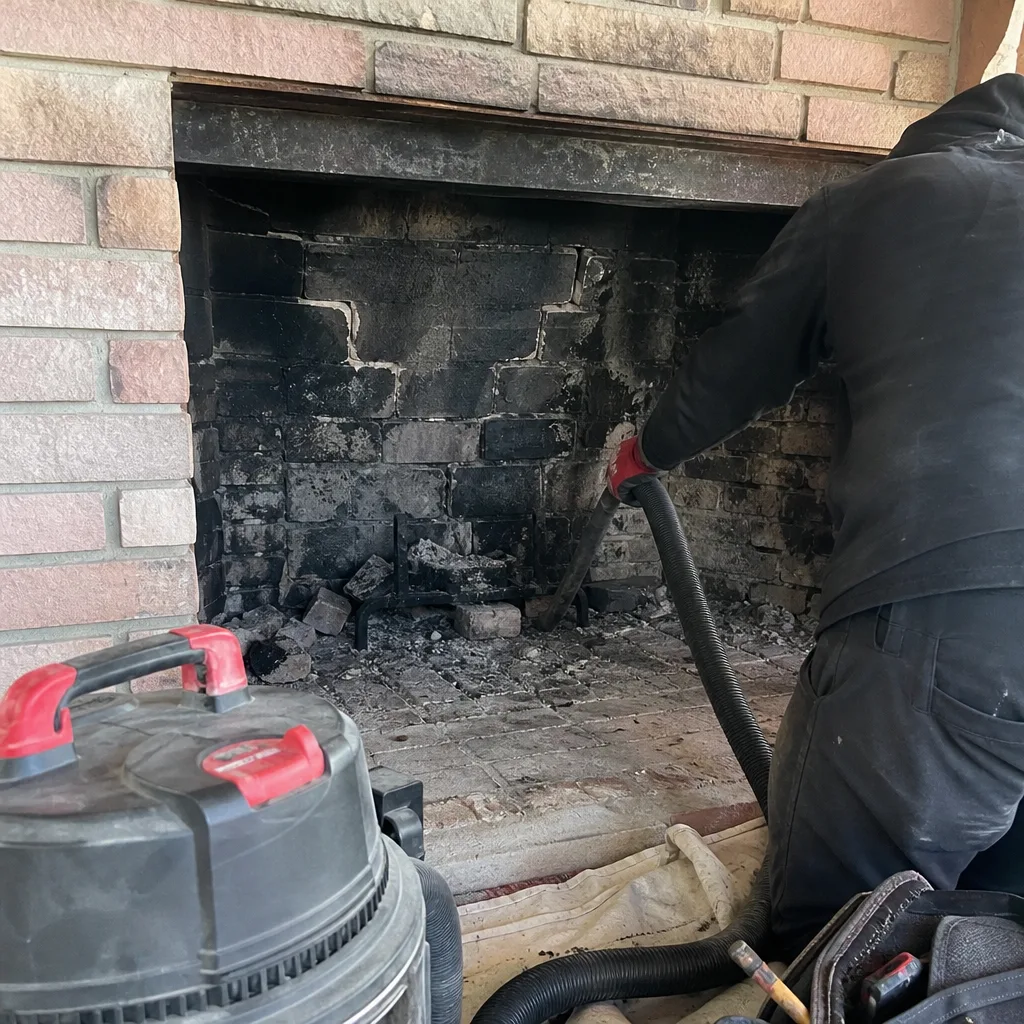 Before
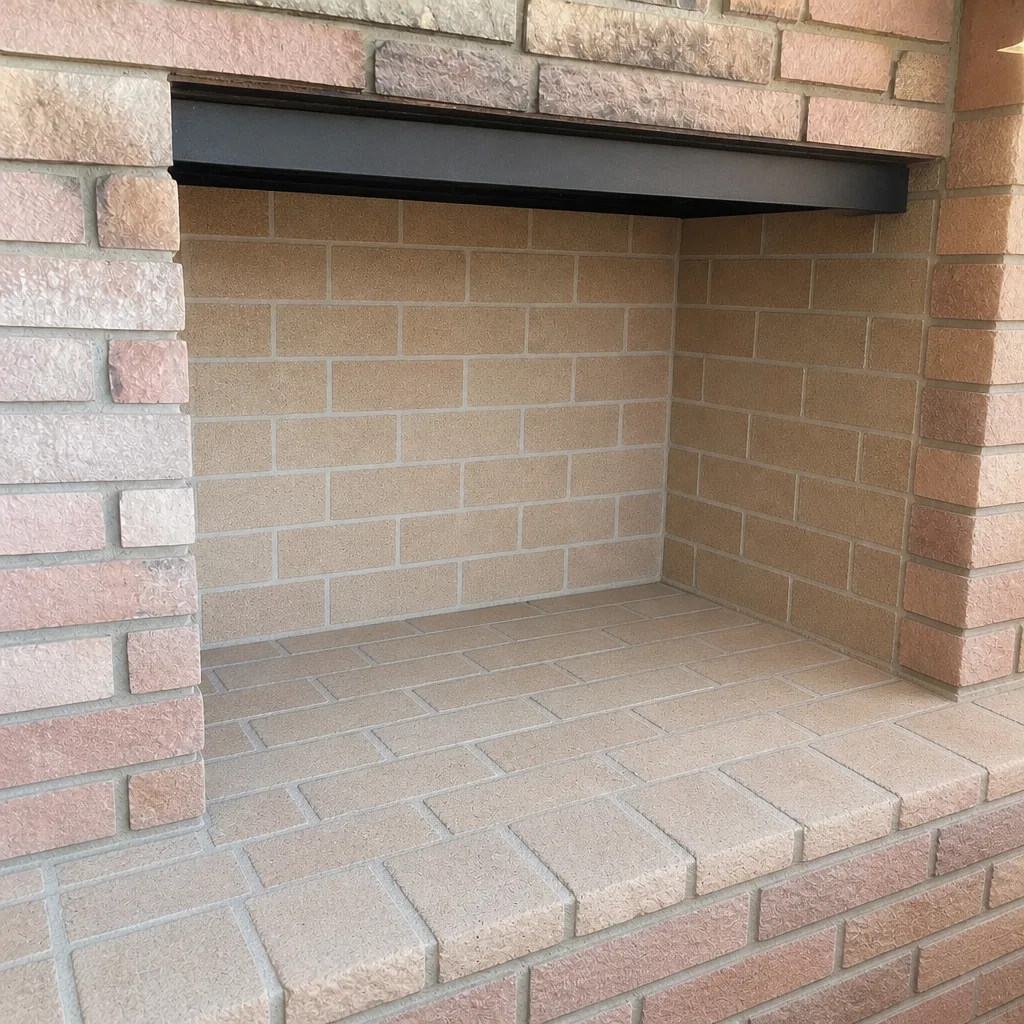 After
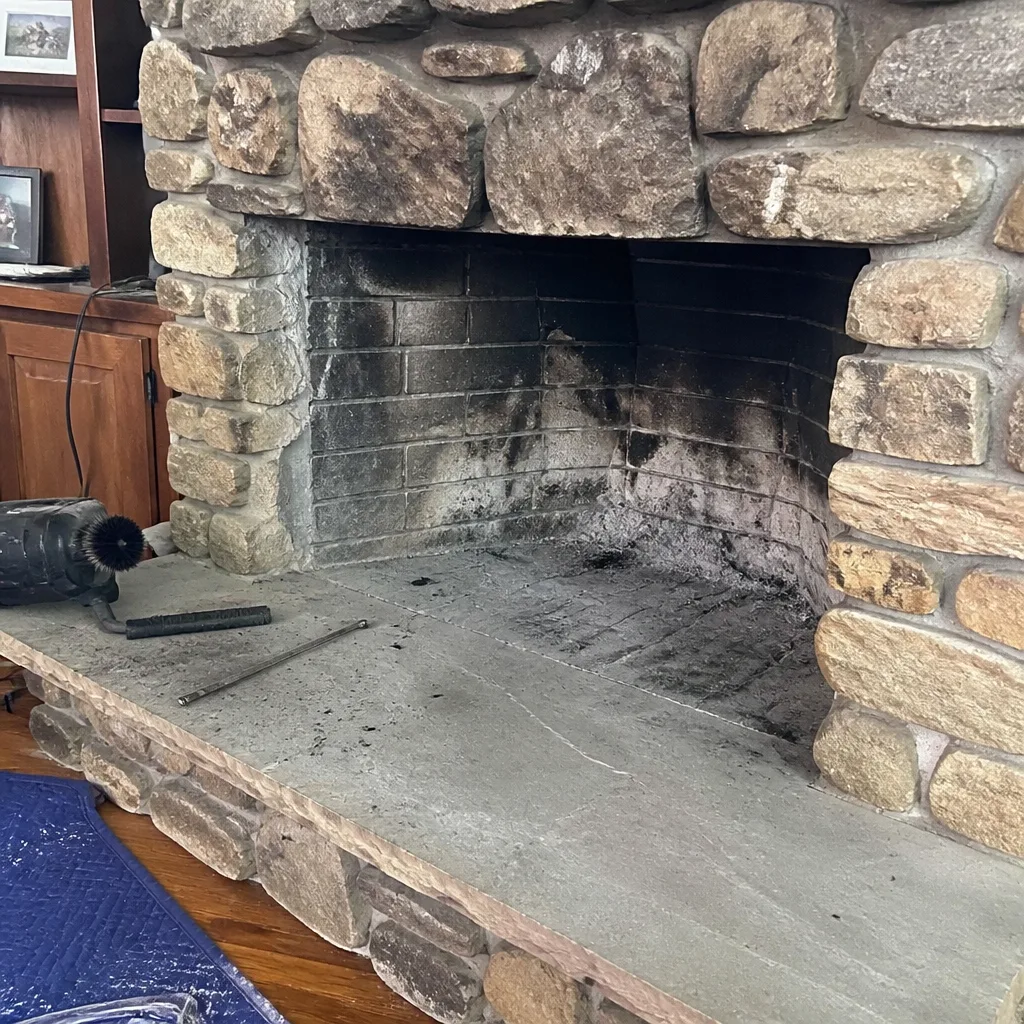 Before
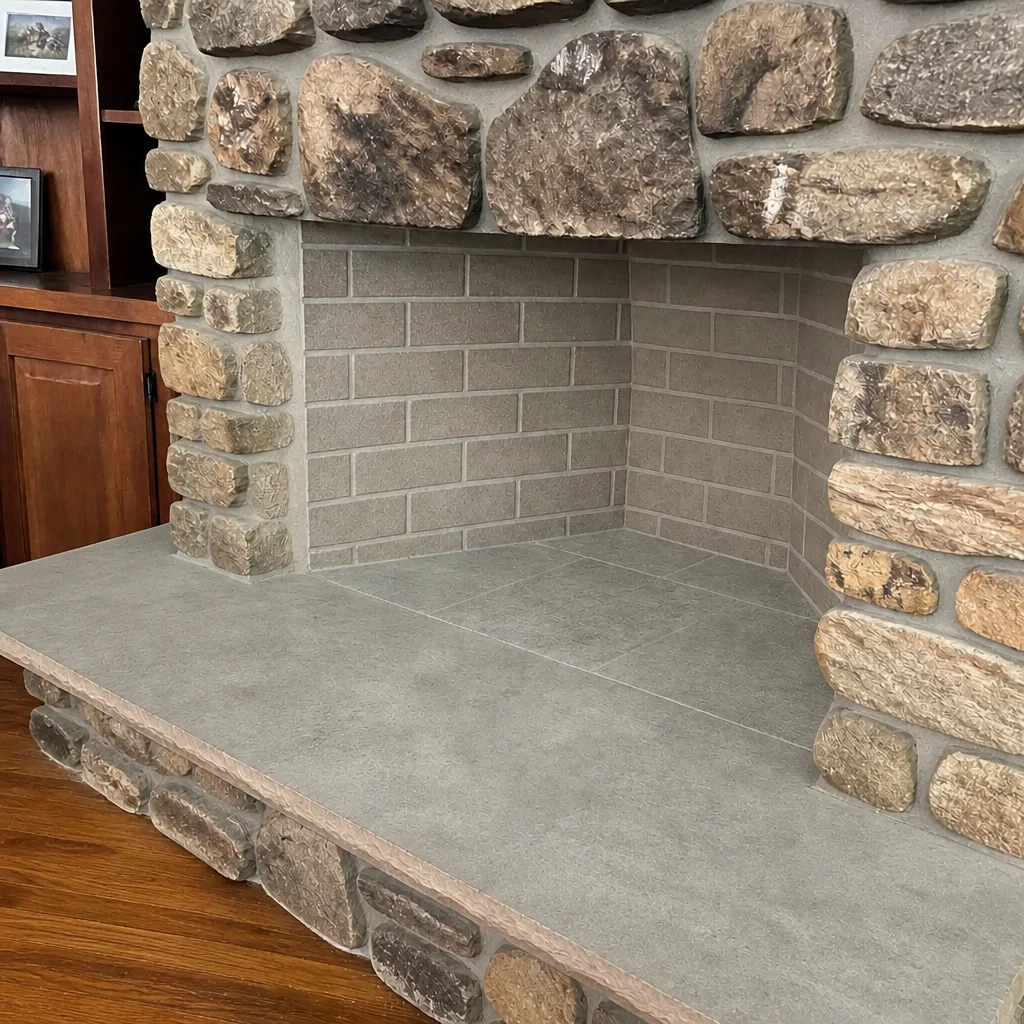 After
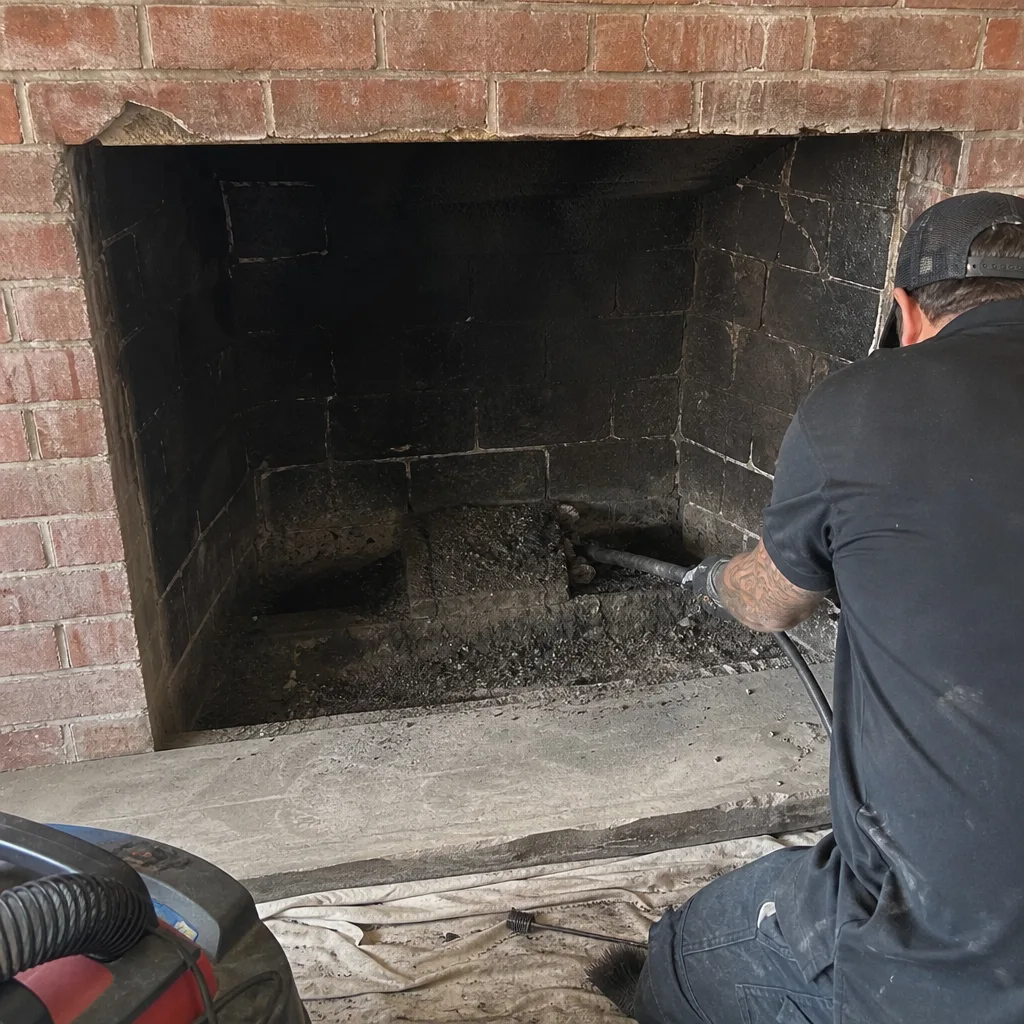 Before
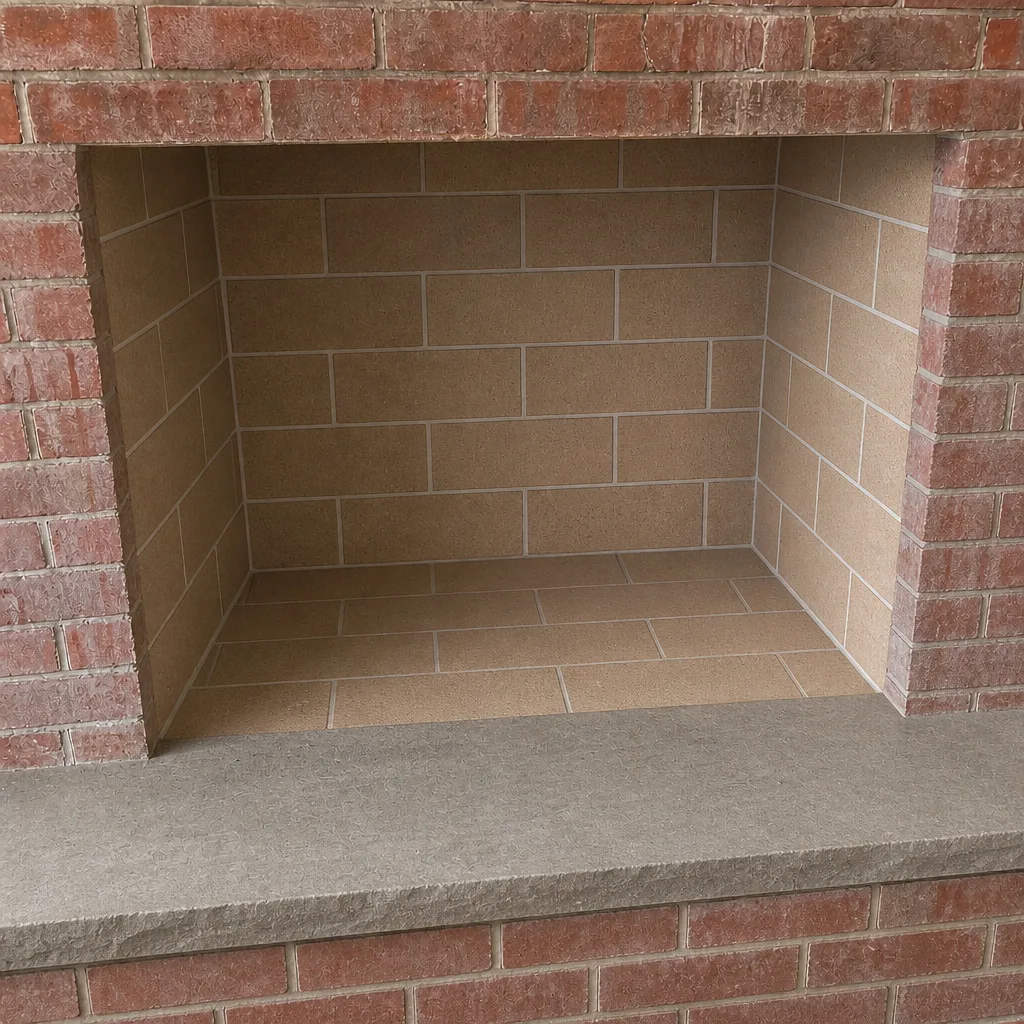 After
When to Call a Professional
Call a professional when any of these come up: you’re preparing for winter and don’t know when the chimney was last cleaned, you’ve bought a home and have no records, a home inspector flagged the fireplace, or you’re about to list and need a condition report. Call when the damper sticks, when smoke backs into the room on a cold start, when you smell creosote in a warm room, or when you’ve had a chimney fire and need the flue checked. Call when you’ve noticed dark, glassy creosote on the flue walls, or a cracked crown you can see from outside. Call when the firebox has crumbled mortar or a gap at the flue connection. Lehi Chimney Sweep offers free estimates in Lehi and across the valley. We answer 24/7. Fast dispatch from 7am to 7pm, Sunday through Friday. Call (877) 820-9718.
If you’re not sure whether you need a sweep, an inspection, or a repair, start with an inspection. It’s cheaper than a wrong repair, and it tells you what the chimney actually needs. Lehi Chimney Sweep is Lehi Chimney Sweep-grade from the first call: a written scope, a free estimate, and no surprises on the invoice.
Frequently Asked Questions
Chimney cleaning in Lehi is quoted per job based on flue type, access, and whether you add an inspection; the written estimate sets the final price before any work is booked. The estimate itself is free. Because scope drives cost more than anything else, the number to compare between companies is the scope, not the sticker, and a quote that omits the smoke shelf and smoke chamber is not the same cleaning. Call (877) 820-9718 for an exact quote; estimates are free.
You need a new liner when the existing one is visibly cracked, separated, or failing a camera inspection, and you don’t when it isn’t. That’s why we show the camera evidence before recommending a liner, and why inspection is offered as its own service so the report stands on its own. If the flue passes and doesn’t need a liner yet, we’ll say so. If we recommend one, we’ll describe exactly what failed and what product (DuraFlex or HeatShield, depending on the job) is right for it. Call (877) 820-9718 for an exact quote; estimates are free.
Once a year for most wood-burning chimneys, or after about a cord of wood, whichever comes first, and a venting check instead of a sweep for gas inserts. Inversion days reduce draft and accelerate creosote buildup, so a home that burns hard through the winter should not stretch the interval. If you don’t know the last time the chimney was cleaned, book a sweep and inspection now. Call (877) 820-9718 for an exact quote; estimates are free.
Skipping a cleaning lets creosote accumulate to the point where it can ignite, and a chimney fire is hot enough to crack a liner or damage the masonry around it without the homeowner realizing it happened. Damaged liners also let carbon monoxide move into the home instead of up the flue. We recommend an inspection if a home hasn’t been cleaned in a long time, because the visible risk is draft and the concealed risk is the liner. Call (877) 820-9718 for an exact quote; estimates are free.
No. A gas insert flue has no creosote to remove, so the work is blockage, connector, and venting inspection rather than a flue brush. Brushing a gas vent the way you’d brush a wood flue doesn’t address the actual risks on a gas system. Tell the scheduler what appliance is connected to your flue when you book, so the right scope is quoted. Call (877) 820-9718 for an exact quote; estimates are free.
We answer the phone, ask what’s connected to your flue and when it was last serviced, and book a free estimate. We answer 24/7. Fast dispatch from 7am to 7pm, Sunday through Friday. Closed on Saturday, so calls that come in Saturday are booked into the next opening. When the technician arrives, you get a written scope before the work starts, a camera inspection, and a report you can read, not a verbal pitch. Call (877) 820-9718.
The Bottom Line
The quality of a chimney cleaning comes down to scope. A flue brush is not a cleaning; a real cleaning covers the firebox, damper, smoke shelf, smoke chamber, and flue, with a written scope you can verify. In Lehi, inversion days make deposit accumulate faster than in drier climates, so the yearly sweep is a floor, not a ceiling. Gas inserts need their own check, not a wood sweep. When a technician recommends a repair, the right ask is to see the evidence on camera before agreeing to anything. From the firebox to the crown, our technicians work with professional-grade materials from DuraFlex, HeatShield, Gelco, Olympia Chimney, Famco, and Copperfield. Written estimates are free. Call (877) 820-9718. We answer 24/7. Fast dispatch from 7am to 7pm, Sunday through Friday.
Written by the team at Lehi Chimney Sweep.