
Last updated November 24, 2026
 Sweep & inspection
 Caps & crowns
 Flue relining
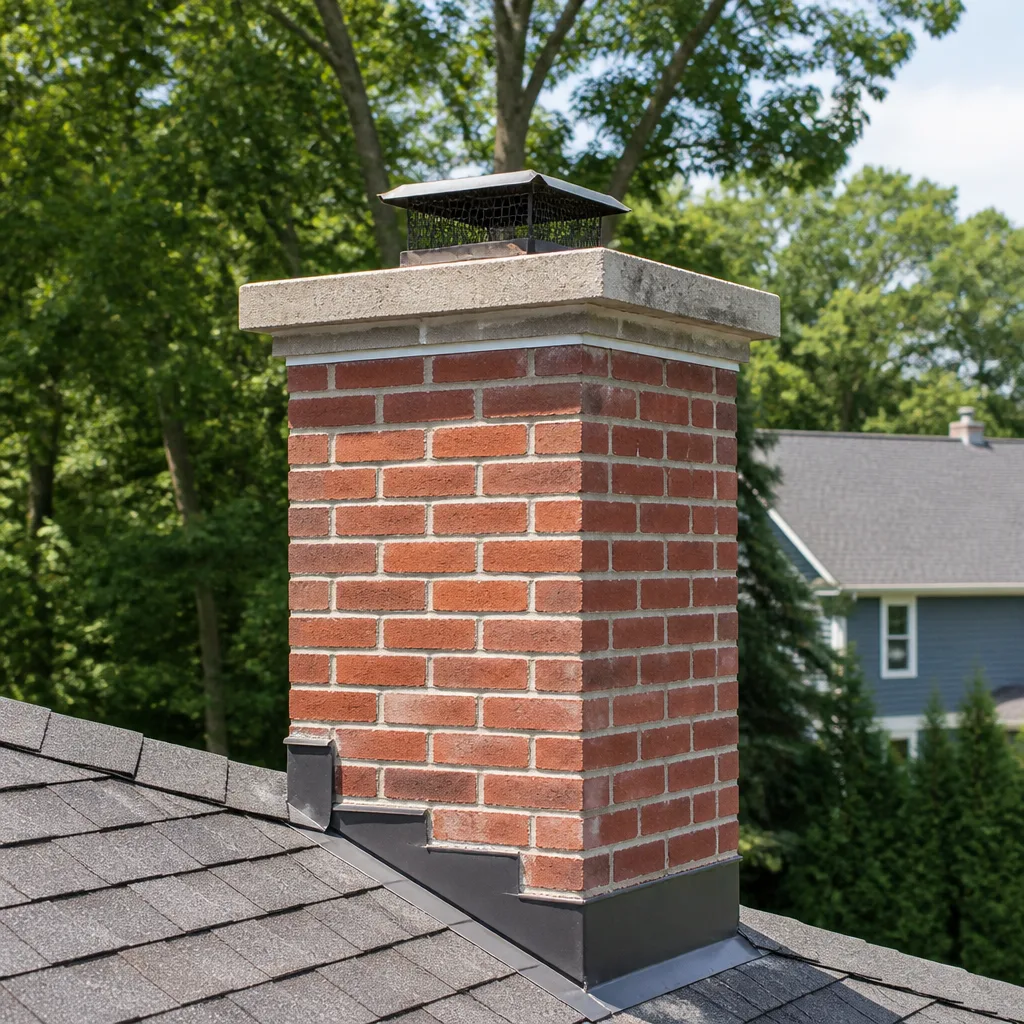 Masonry repair
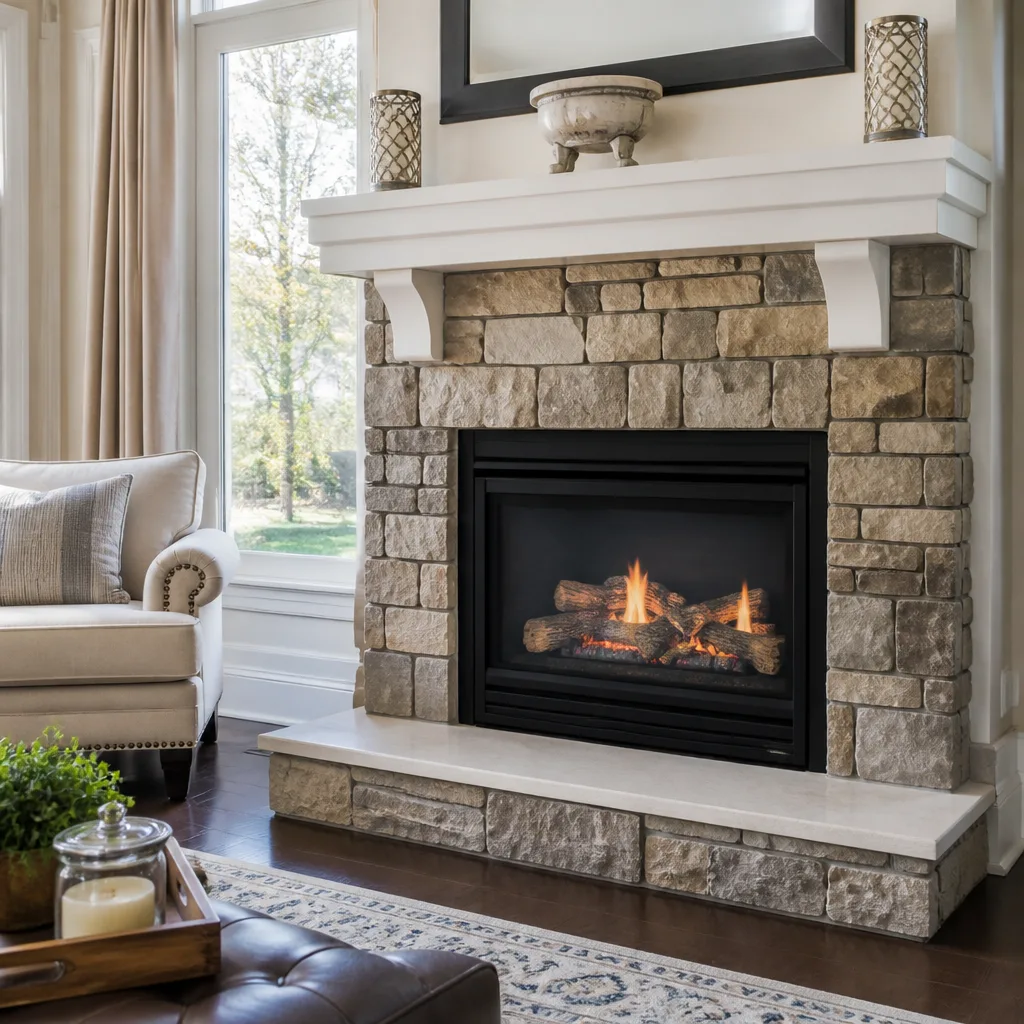 Gas fireplace service
Level 1 sweep and inspection to the NFPA 211 annual standard - flue, crown, cap, and flashing checked and photographed
Chimney sweep logs do not sweep chimneys. They loosen some creosote - which then falls where a brush and vacuum still have to collect it.
DIY vs Professional Chimney Cleaning: The Lehi Homeowner’s Decision Guide
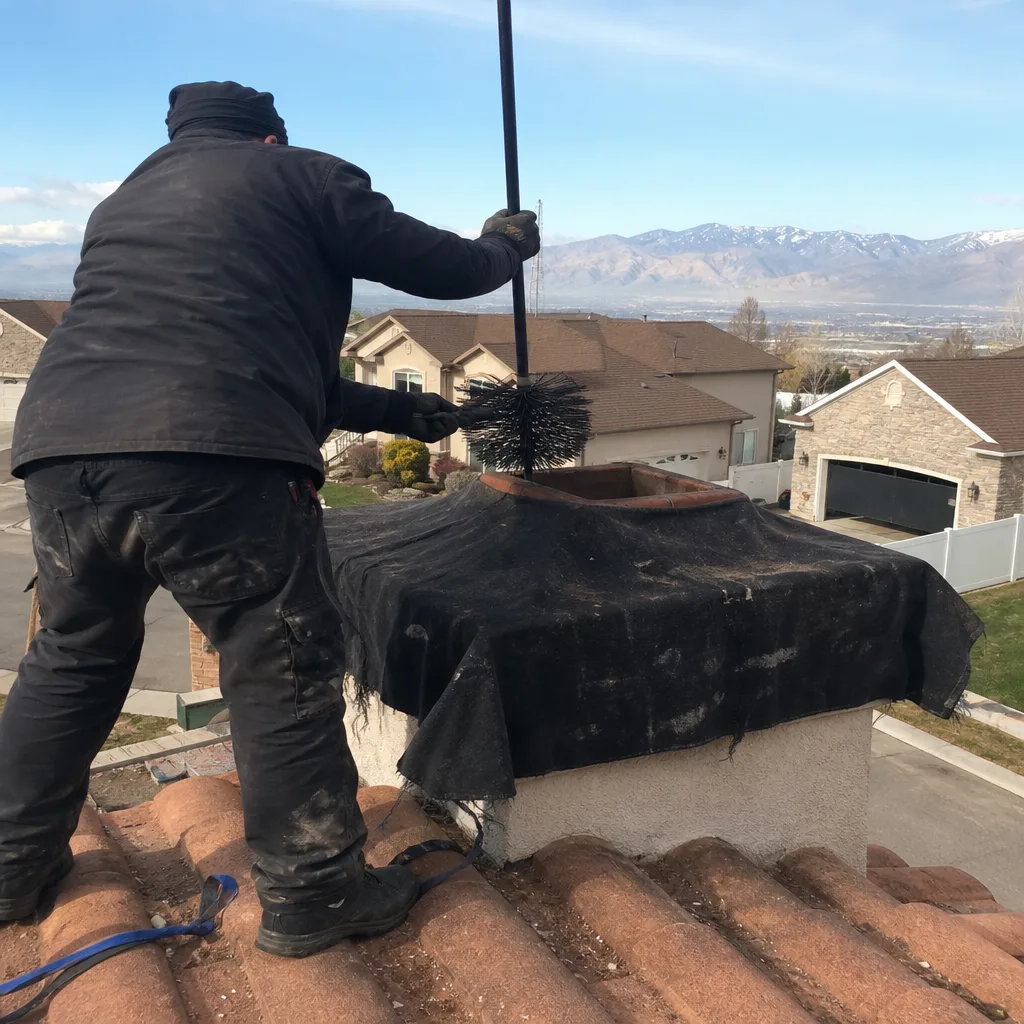
The chimney brush kits stacked at the hardware store are built for maintenance, not remediation. They knock light soot off flue walls just fine, but they are physically incapable of removing stage 2 creosote, the tar-like glaze that bonds to tile liner surfaces and feeds chimney fires. That single gap is where most Lehi homeowners discover, too late, that the $80 kit was the wrong tool for the job. This guide walks you through the honest eligibility test for doing it yourself, what professional cleaning actually covers, and how to tell which side of the line your Lehi home sits on before you spend a dime.
Styles & brands we work with
- Sweep & inspection
- Caps & crowns
- Flue relining
- Masonry repair
- Gas fireplace service
Quick Answer
DIY chimney cleaning is only viable for a narrow set of Lehi homes: single-story, straight flue, wood-burning fireplace, and stage 1 (light, flaky) creosote with no liner damage. Everything outside that box, which is most of Lehi, needs a professional sweep. If you don’t know your creosote stage or flue geometry, you can’t safely self-assess, and that’s the point where you book an inspection.
Table of Contents
- The Honest DIY Eligibility Test
- What a Real Cleaning Requires vs. What Kits Sell You
- Understanding Creosote Stages in Lehi’s Climate
- What You Can’t Assess Without Professional Equipment
- Liability and Insurance Implications of DIY Work in Utah
- The Hybrid Approach: What You Can Do Between Visits
- Signs You’re Already Past the DIY Window
- Common Mistakes to Avoid
- When to Call a Professional
- Frequently Asked Questions
- The Bottom Line
The Honest DIY Eligibility Test
Before you climb a ladder with a brush, run through four factors. All four have to land on the right side for DIY to be defensible. If any one fails, that’s your answer.
- Flue geometry. A single-story home with a straight, vertical flue and a fireplace directly below is workable from the roof or from the firebox with extension rods. An offset flue, a chase that turns, or a two-story run introduces rod-bending angles where brush contact becomes uneven and you cannot see what you missed.
- Creosote stage. Stage 1 creosote is dry, flaky, and brushes off with a standard poly brush. Stage 2 is sticky and tar-like. Stage 3 is glazed and hardened. Only stage 1 is a DIY candidate. Period.
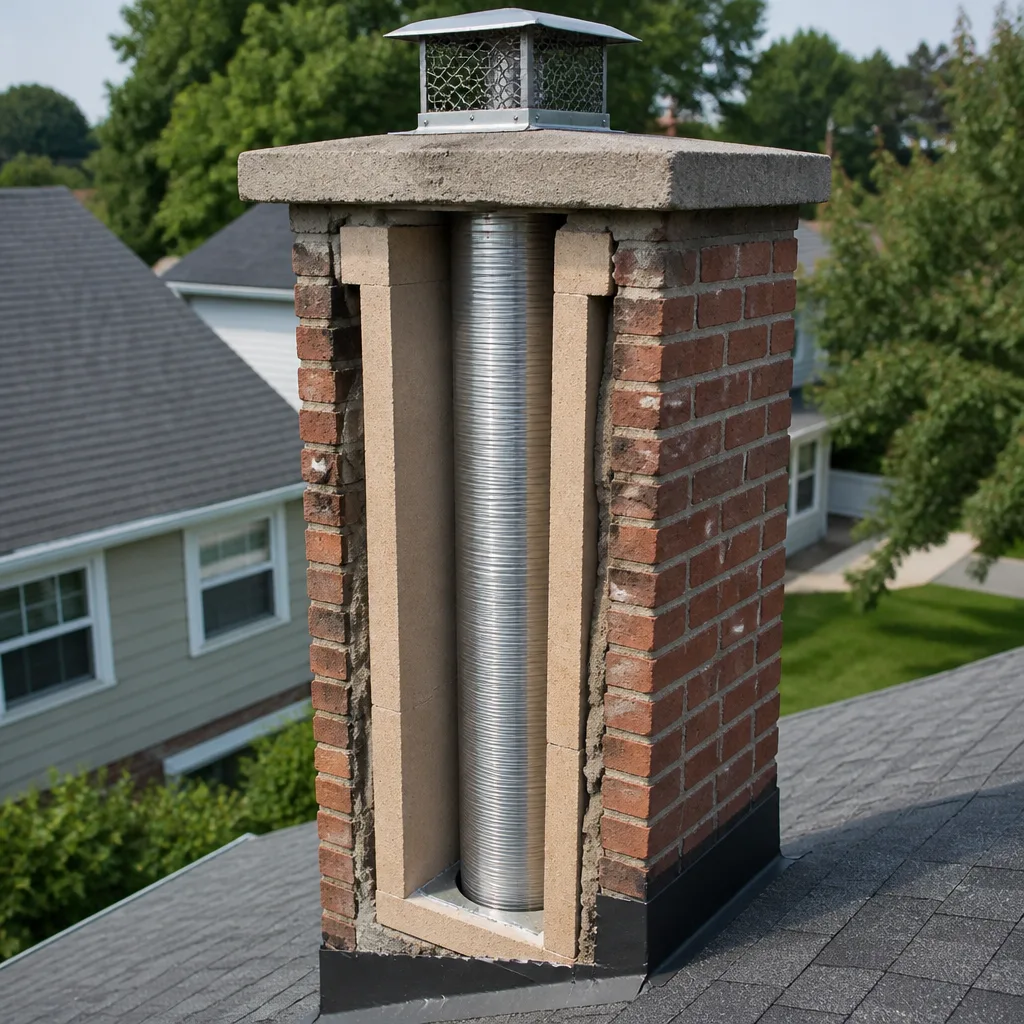
- Liner type. A clay tile liner in good condition can take a poly brush. A stainless flexible liner, the kind we install from chimney repair product lines like DuraFlex, generally tolerates brushing, but a damaged or improperly seated liner can be dislodged by a homeowner who doesn’t know what they’re hitting.
- Roof pitch and access. A steep-pitch roof, a chimney on a low-slope section without a stable standing surface, or a chimney near a power drop all push the job out of DIY territory. Safety trumps savings every time.
Lehi’s housing stock is a mixed bag. The older neighborhoods near the historic downtown core have wide, single-story footprints that sometimes qualify. Newer builds out toward Saratoga Springs and the Traverse Mountain side often run two-story with offset chases and prefab fireboxes, which almost never qualify for a homeowner cleaning. If your Lehi home was built in the last fifteen years, assume professional until proven otherwise.
What a Real Cleaning Requires vs. What Kits Sell You
A proper professional sweep uses a rotating poly brush matched to flue diameter, steel rods that thread together cleanly, a heavy canvas drop cloth sealed at the firebox opening, a HEPA shop vacuum, a bright headlamp and mirror, and hand tools to remove the damper or grate as needed. What you get in a consumer kit is a soft poly brush, a few flimsy rods, and sometimes a plastic sheet.
The gap matters because of contact pressure. A professional brush, sized right and run on rigid rods, scrapes flue walls under load. A homeowner brush on a bending kit rod bounces off creosote that’s bonded. You end up thinking the chimney is clean because the brush came back light-colored, when in reality the hard deposits are still on the wall and now partly loosened, which is worse.
Professional technicians also carry the liner restoration tools that most homeowners never see: HeatShield applicators for firebox and flue liner repair, and the gauges to measure actual flue diameter against the fireplace’s rated opening. That’s the difference between a real cleaning and a surface pass. Our technicians have up to 12 years of experience and carry the right tool for the flue in front of them, not a one-size brush.
What a consumer kit can’t do
- Remove stage 2 or stage 3 creosote
- Inspect the flue interior with a camera
- Confirm liner integrity above the smoke shelf
- Check the firebox and damper for erosion or warping
- Dislodge bird nests or blockages wedged behind the smoke shelf
- Verify the cap and crown aren’t letting water in
If any of those items are on your list, the kit isn’t the tool. Booking a chimney sweep with camera inspection is cheaper than repairing a flue later.
Understanding Creosote Stages in Lehi’s Climate
Lehi sits in the Utah Valley, which means cold winters, dry air most of the year, and temperature swings between a warm afternoon and a cold night. Those swings push wood-burning fireplaces into cooler, slower burns at the edges of the day, and slow burns are the fastest way to build stage 2 creosote.
Creosote forms when wood smoke cools before it exits the flue. The three stages look and behave differently:
- Stage 1 – Soot and light flaky creosote. Wipes off with a light brush or even a rag. Not a fire hazard on its own; needs routine cleaning.
- Stage 2 – Tar-like, sticky, glossy dark. Bonds to clay tile and metal liners. Brushing alone typically won’t remove it; a chemical agent or rotary tool is needed.
- Stage 3 – Glazed, bubbly, hardened. Looks like dark glass. This is the most combustible stage and typically requires professional removal or liner replacement, including liner products from Lehi Chimney Sweep inventory lines such as DuraFlex or Copperfield.
Utah wood-burners who rely on softwood or unseasoned wood, or who burn hot and fast only occasionally, tend to hit stage 2 faster than they expect. If you haven’t had the flue inspected in a few years, you cannot assume stage 1. That’s why a $69 video inspection is worth more than the DIY kit you were about to buy.
How Lehi’s burn season shapes creosote
Lehi’s heating season runs long, roughly October through April, with occasional early-spring cold snaps that catch people mid-season. A single chimney on a busy Lehi household that burns daily can accumulate creosote much faster than the once-a-year sweeping guidance suggests. If you burn regularly, annual inspection is the floor, not the ceiling.
What You Can’t Assess Without Professional Equipment
Three failure points hide from a homeowner’s flashlight:
- Cracks in the clay liner. Even a hairline crack passes heat and embers into framing. You need a camera sweep to see it. A flashlight from the firebox shows maybe the first three feet of liner.
- Smoke chamber erosion. The smoke chamber above the damper is a sloped chamber that funnels smoke into the flue. Its mortar parges can erode with age, creating pockets that trap creosote and slow draft. Homeowners never see this region at all.
- Hidden blockages above the smoke shelf. Bird nests, squirrel debris, deteriorated mortar, and even an old brush head wedged above the damper are all common finds. Blockages force smoke back into the room and can push carbon monoxide to unsafe levels. You cannot clear them without professional access from the top and bottom.
That’s the reason we treat inspection as its own service. Your chimney inspected on its own terms means a camera, a full report, and honest advice on what needs doing now versus what can safely wait. Some of what we find in Lehi homes doesn’t need action yet, and we say so.
Liability and Insurance Implications of DIY Work in Utah
Here’s the part most guides skip. If a chimney fire damages your home after you cleaned the flue yourself, your homeowner’s insurance may still pay, but the claims process can get complicated if the insurer asks for proof of maintenance. A professional invoice and inspection report create a paper trail showing the chimney was serviced by someone qualified. A DIY cleaning leaves no such record, and some insurers during a claim investigation will flag the missing documentation.
This is not a scare tactic. It’s a factual consideration for Utah homeowners who plan to sell or refinance. When a buyer’s home inspection flags the chimney, a recent professional sweep and inspection report resolves the flag faster than “the seller cleaned it themselves last fall.”
Utah code and most local building departments also expect fireplace and chimney systems to be maintained per manufacturer instructions and recognized standards. DIY cleaning that a professional would catch as incomplete, such as stage 2 creosote left on the tile or a dislodged liner, is a code issue at the next inspection whether or not you cleaned it.
What to keep after a professional sweep
- The invoice with the sweep date
- The inspection report with photos or video
- Any recommended maintenance items for the next season
- Notes on liner type and flue dimensions for future reference
Keep those in the same folder as your furnace and water heater service records. They’ll be useful at sale, at claim, and at any future repair.
The Hybrid Approach: What You Can Do Between Visits
The most sensible path for most Lehi households sits between DIY and full professional. Do the safe, small stuff yourself between professional visits and leave the flue interior to the pros. Here’s how that breaks down.
- Burn dry wood. Seasoned firewood under 20% moisture burns hotter and cleaner, which slows creosote accumulation. This alone is the single biggest DIY leverage you have.
- Don’t smolder. Damp the fire down for overnight burns and you build creosote. Small hot fires are the friendlier option.
- Sweep the firebox floor and hearth. Ash and soot build up from below and work their way into the firebox mortar. Clearing it is safe homeowner territory.
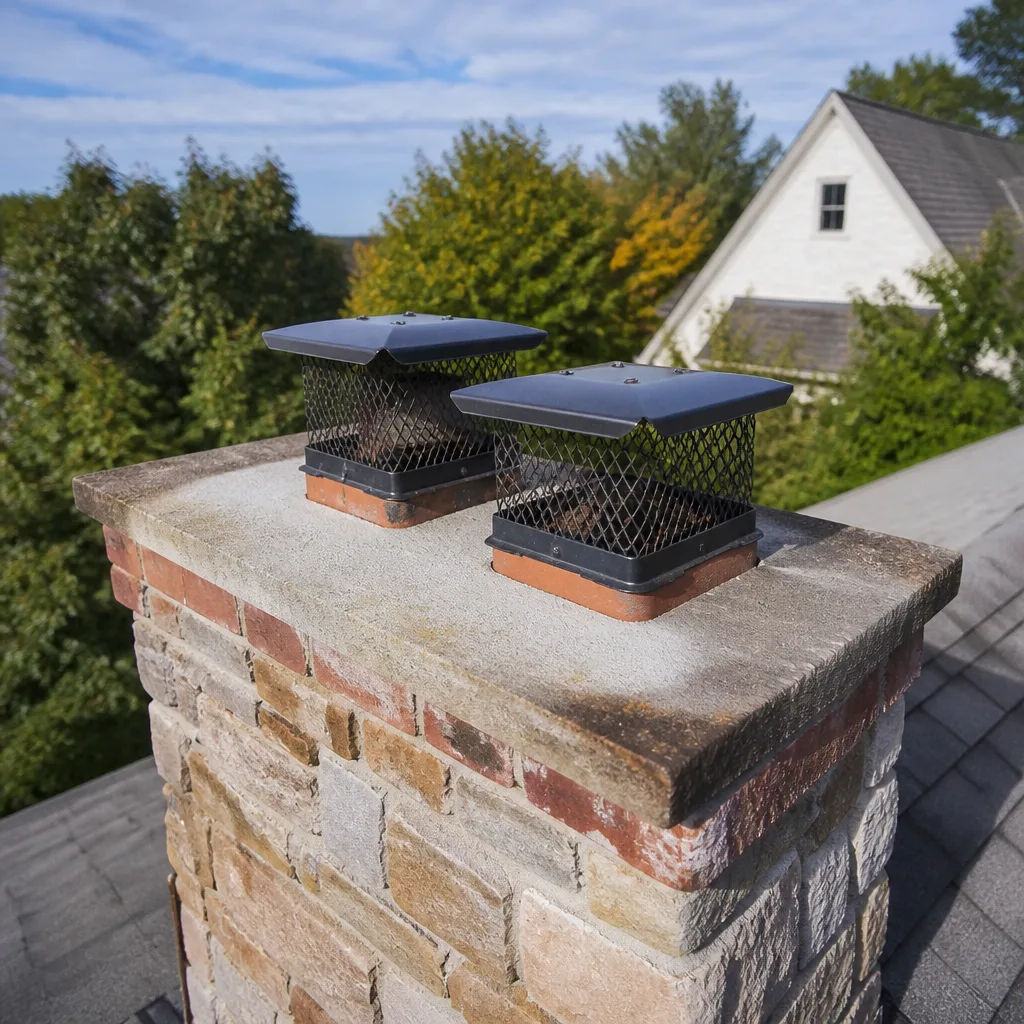
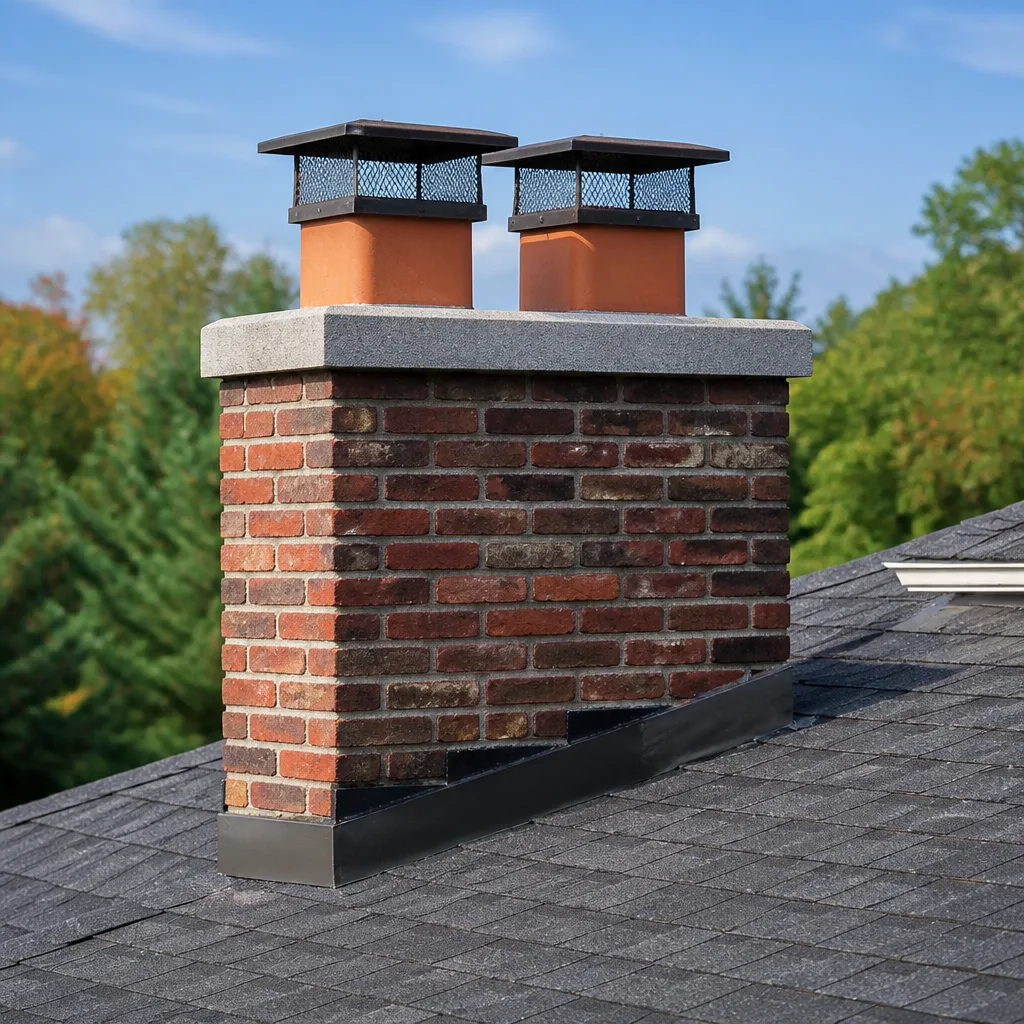
- Inspect the cap and crown visually. From the ground with binoculars, look for cracks, missing cap mesh, or rusted Gelco or Famco cap edges that suggest the cap is failing. Then report to the pro.
- Check the damper annually. Open, close, and confirm full travel. If it sticks or won’t seal, book a service call.
- Book a professional sweep each fall. This one gets done by a professional. Time it before burn season and you’ll find blockages, cracks, and cap failures before the first cold night.
Lehi homeowners with gas inserts follow a similar routine but skip the firebox floor sweep and don’t need to think about creosote as much. Gas inserts still need annual inspection of the flue and venting.
Signs You’re Already Past the DIY Window
Any of the following sends you straight to professional territory:
- Flue smoke backing into the room on light-up
- A strong creosote smell in warm weather (a sign deposits are heating up when the chimney sun-warms)
- Visible black, glossy deposits when you shine a light up from the firebox
- Bits of tile or mortar in the firebox after a burn
- A rumbling sound during a fire, which suggests a chimney fire has already started or creosote is igniting
- Water stains on the ceiling near the chimney chase
- A home inspector’s flag on the chimney during a recent transaction
Lehi’s freeze-thaw pattern, especially on the Traverse Mountain side where wind and snow load are heavier, punishes cap and crown failures fast. If water is getting in, the flue lining may already be compromised, and no brush kit fixes a wet liner.
Common Mistakes to Avoid
- Buying the kit before checking the creosote stage. The kit works on stage 1 only. Have the flue inspected first, then decide. Booking an inspection in Lehi is cheaper than a kit you’ll never use.
- Cleaning from the roof instead of from the firebox for offset flues. Roof access only works cleanly on straight-run chimneys. Bent chases need the bottom-up approach with rods, and homeowners with a bending kit rod often damage the liner doing it.
- Assuming gas fireplaces don’t need chimney service. Gas inserts still have flues, vents, and caps that need inspection. Their creosote profile is different, but the inspection isn’t optional.
- Skipping the camera inspection because the brush came back clean. Brushes don’t reveal liner cracks, smoke chamber erosion, or hidden blockages. Only a camera does.
- Ignoring cap and crown damage until winter. Lehi’s early snows catch homeowners off guard. Cap and crown failures let water into the flue and can turn into hundreds of dollars of repair if not addressed before the first freeze.
- Burning unseasoned wood to save money. Wet wood builds creosote faster than any other single factor. It’s a false savings.
- Climbing the roof without fall protection. Lehi’s steep-pitch roofs on newer construction are unforgiving. A ladder and a bucket on a sixty-degree roof is a hospital visit waiting to happen.
When to Call a Professional
Call a professional when any of these are true: you don’t know your creosote stage, your flue has any offset or your roof has anything steeper than a mild walk-pitch, the flue is a two-story run, you smell creosote in warm weather, smoke backs into the room, or the previous inspection flagged anything. Also call when you’re buying or selling a Lehi home and the inspector’s report includes chimney items. That’s the fast path to a clean report and a stronger negotiating position. We’ve also found that closing on a house is not the moment to learn your new chimney has a hidden blockage above the smoke shelf.
If the job calls for a chimney repair, our scope runs from the firebox to the crown, including cap and crown installation using Gelco and Famco components and HeatShield restorations where the liner or firebox needs it. Lehi Chimney Sweep offers free estimates in Lehi – call (877) 820-9718. We answer 24/7. Fast dispatch from 7am to 7pm, Sunday through Friday.
Frequently Asked Questions
A standard chimney sweep in Lehi typically runs $150-$300 for a wood-burning flue, and a camera inspection is often included or quoted as a small add-on. Higher stages of creosote or gas inserts can push the range up. The written estimate sets the final price, so nothing is left to guess. Call (877) 820-9718 for an exact quote – estimates are free.
Only if your home passes the four-factor eligibility test: single-story, straight flue, wood-burning fireplace, and stage 1 creosote with no visible liner damage. Most Lehi homes fail at least one factor, particularly the creosote stage, which you can’t reliably identify from the ground floor. Book an inspection first. It’s cheaper than the wrong kit.
Once a year during active wood-burning season is the baseline, and heavy-burn households may need twice. Gas inserts can stretch to annual inspection rather than annual sweep. Lehi’s long heating season and cold snaps push creosote accumulation faster than warmer climates, so don’t stretch it.
Yes. An inspection is a different service than a sweep. It uses a camera and checks the firebox, smoke chamber, flue, cap, and crown for damage. Your chimney inspected on its own terms, without a cleaning upsell, tells you what needs doing and what can safely wait. Lehi Chimney Sweep offers inspection as a standalone service.
Stage 1 is dry, flaky soot that a brush removes without trouble. Stage 2 is sticky, tar-like creosote that bonds to the flue tile and resists a brush. Stage 3 is glazed and glass-like. A consumer kit handles stage 1 and nothing beyond it. Stage 2 and stage 3 need professional removal tools.
Not directly, but post-fire claim investigations may ask for maintenance records. A professional sweep invoice and inspection report show the chimney was serviced to standard, which tends to make the claim process smoother. Also, at resale, a recent professional sweep is a stronger answer to a buyer’s inspector than a self-cleaning note. Call (877) 820-9718 for an exact quote – estimates are free.
The Bottom Line
DIY chimney cleaning is technically possible for a narrow set of Lehi homes: single-story, straight flue, wood-burning fireplace, stage 1 creosote only. Everyone else is buying a brush kit for a job the kit was never designed to do. The honest move is to book an inspection first. It costs less than a kit plus a liner repair and gives you the real answer instead of a guess. From there, run the hybrid approach: dry wood, small hot fires, professional sweep each fall, and a camera inspection on the calendar every year or two. If the chimney needs repair, our scope runs from the firebox to the crown using professional-grade lines like HeatShield, DuraFlex, Gelco, and Copperfield. Built to last, not patched to pass. Call (877) 820-9718 for a free estimate. We answer 24/7. Fast dispatch from 7am to 7pm, Sunday through Friday.
For related work, our fireplace repair team handles firebox and damper issues at the source.
Written by the team at Lehi Chimney Sweep.
See the difference
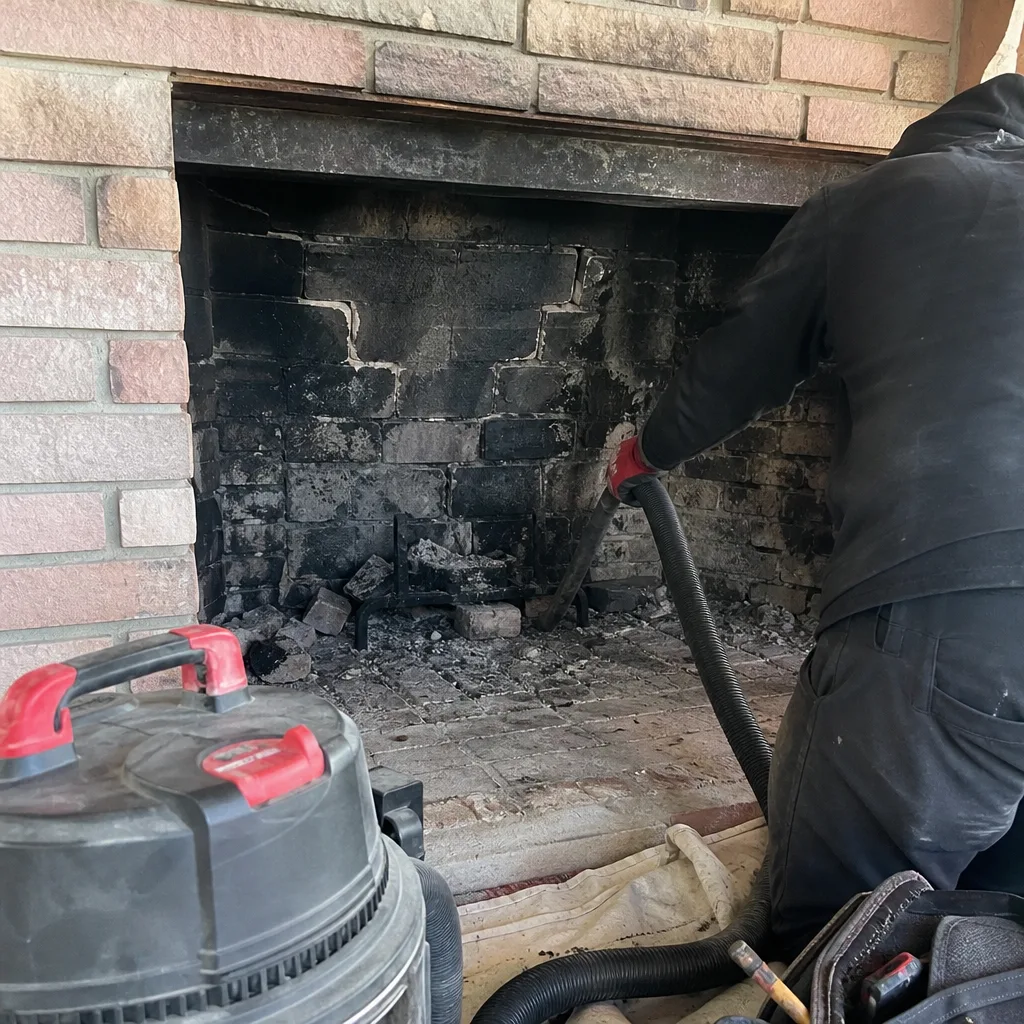 Before
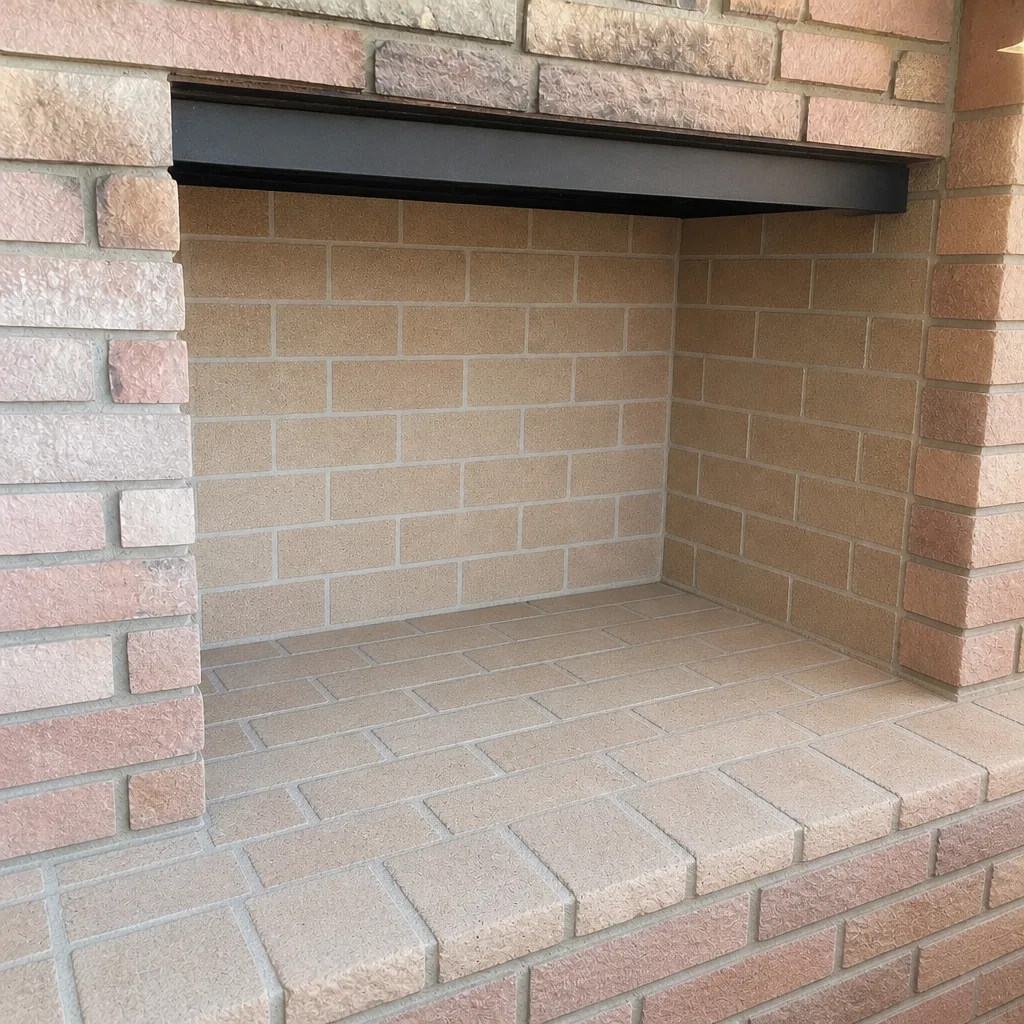 After
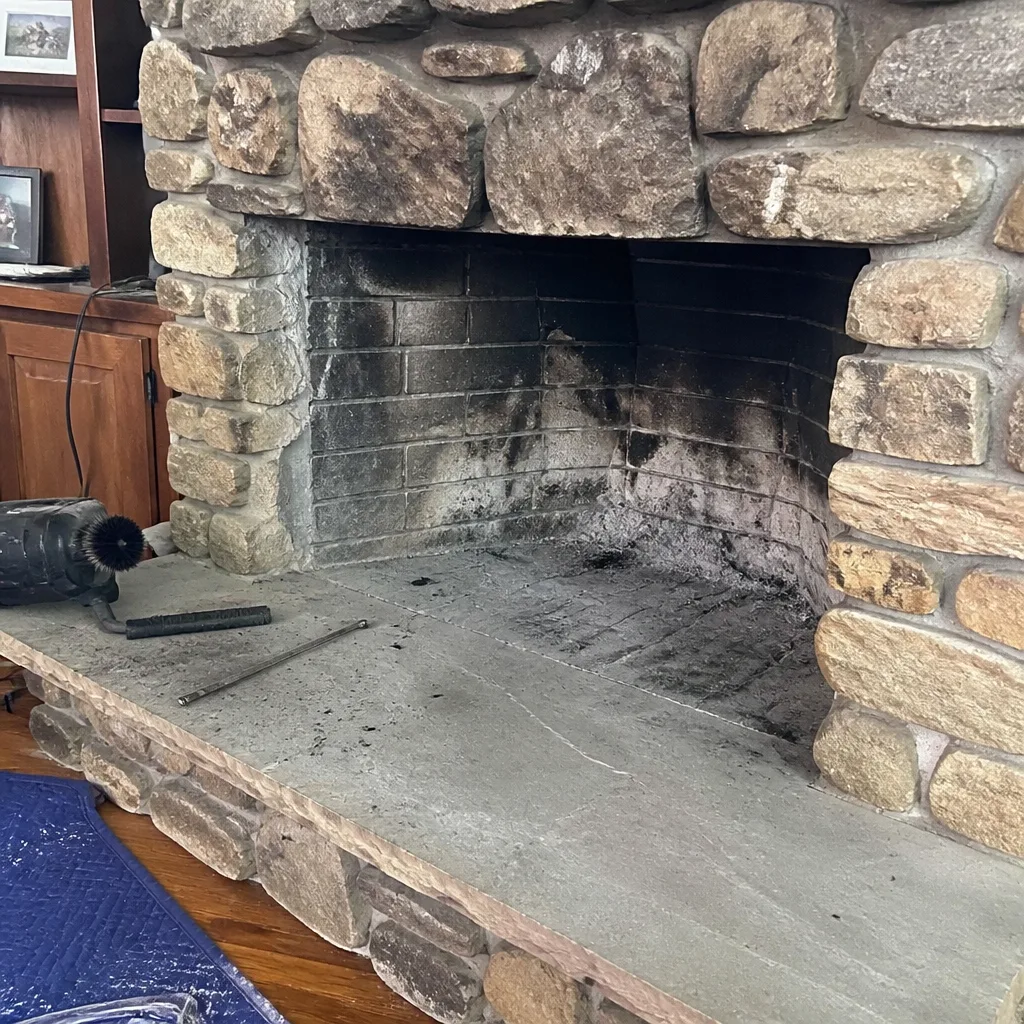 Before
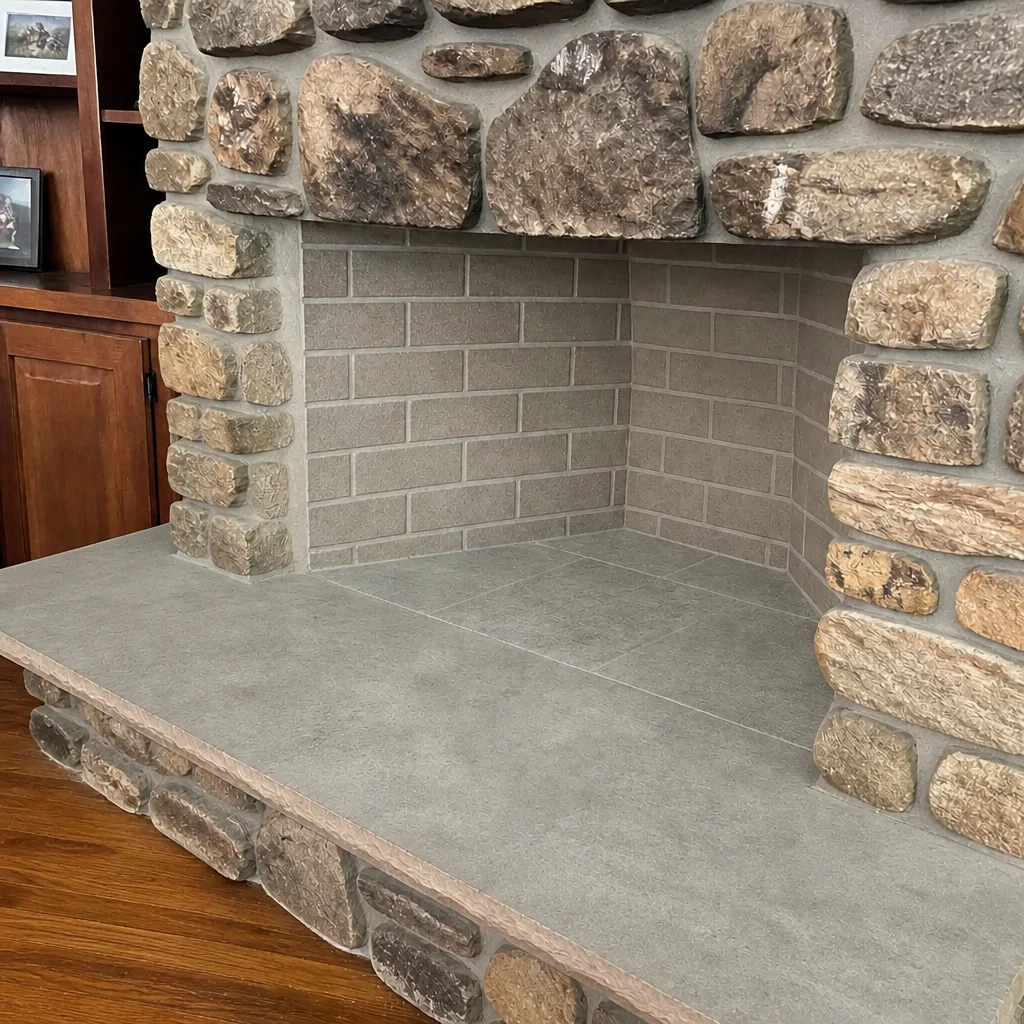 After
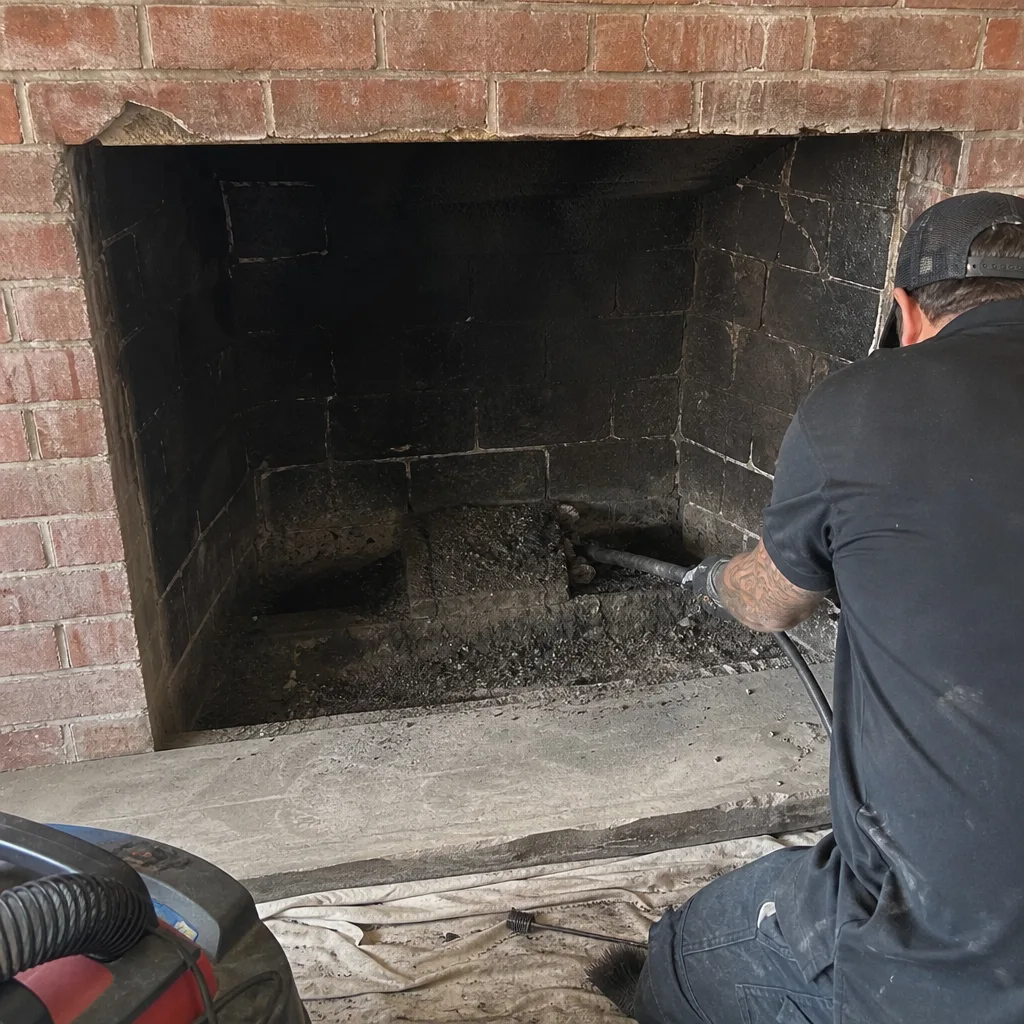 Before
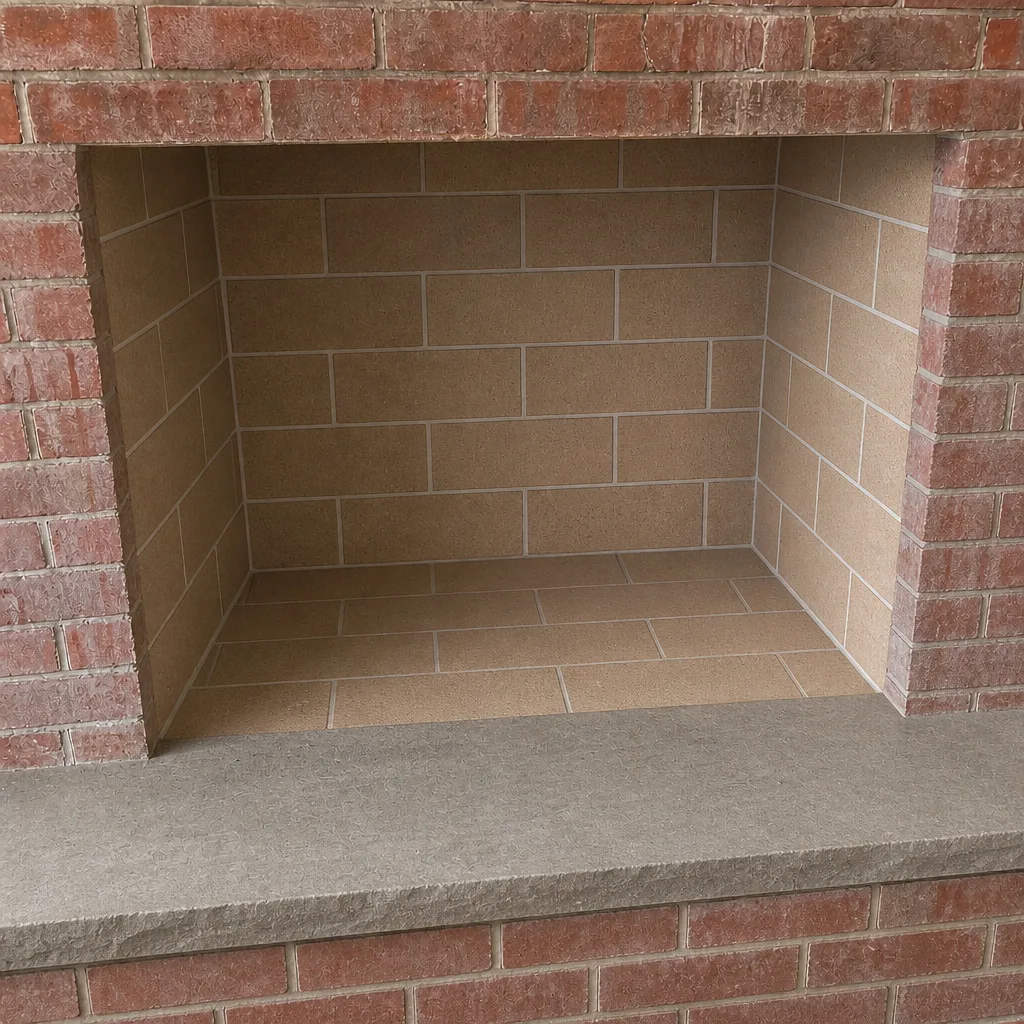 After