
Last updated November 24, 2026
 Sweep & inspection
 Caps & crowns
 Flue relining
 Masonry repair
 Gas fireplace service
Level 1 sweep and inspection to the NFPA 211 annual standard - flue, crown, cap, and flashing checked and photographed
Chimney sweep logs do not sweep chimneys. They loosen some creosote - which then falls where a brush and vacuum still have to collect it.
Seasonal Chimney Cleaning Care for Lehi: Year-Round Homeowner’s Guide
Most homeowners in Lehi book their chimney sweep in October, right before the first fire of the season. That’s the wrong month. The heaviest damage to Utah chimneys happens in spring, when the freeze-thaw cycle from February through April works mortar joints loose and lifts flashing away from the crown, letting the first heavy rain of March run straight down into a firebox that sat dry all winter. A chimney that gets one annual cleaning but no seasonal attention is the one that needs a crown rebuild three years later. This guide covers what each of Lehi’s four seasons actually does to a chimney, what to check and when, and how to build a task calendar around the local climate instead of generic national advice.
Quick Answer
In Lehi, chimney care follows four distinct seasonal windows rather than one fall sweep: spring is for inspecting masonry and flashing after freeze-thaw damage, summer is for capping and moisture control on unused flues, fall is for the annual cleaning and inspection timed to actual burn season, and winter is for monitoring creosote buildup during heavy-use inversion weeks. Homeowners who do small tasks in each season avoid the structural repairs that show up when a chimney goes untouched for years.
Styles & brands we work with
- Sweep & inspection
- Caps & crowns
- Flue relining
- Masonry repair
- Gas fireplace service
Table of Contents
- Spring in Lehi: When the Real Chimney Damage Shows Up
- Summer: Capping and Moisture Control Before Monsoon Season
- Fall: Timing Your Cleaning Correctly
- Winter: Creosote, Burn Frequency, and Mid-Season Checks
- Building a 12-Month Chimney Task Calendar for Lehi’s Climate
- What a Proper Inspection Actually Covers
- Why Material Choice Matters for Utah County Chimneys
Spring in Lehi: When the Real Chimney Damage Shows Up
Spring is the season that exposes everything winter hid. Lehi sits in a valley where temperatures swing hard from February through April, and that daily freeze-thaw cycle is tough on masonry. Water gets into a hairline crack, freezes overnight, expands, and widens the crack a fraction. Repeat that for sixty or seventy days and a chimney that looked fine in November has visible mortar deterioration by April. Chimneys in older Lehi neighborhoods and on the west bench, where the wind hits harder, tend to show it first.
Here’s what to look for once the ground thaws and you can safely get outside to inspect:
- Crumbling mortar joints. Look for sandy grit collecting on the roof or in the gutter below the chimney. Joints that recede or leave gaps mean repointing is due.
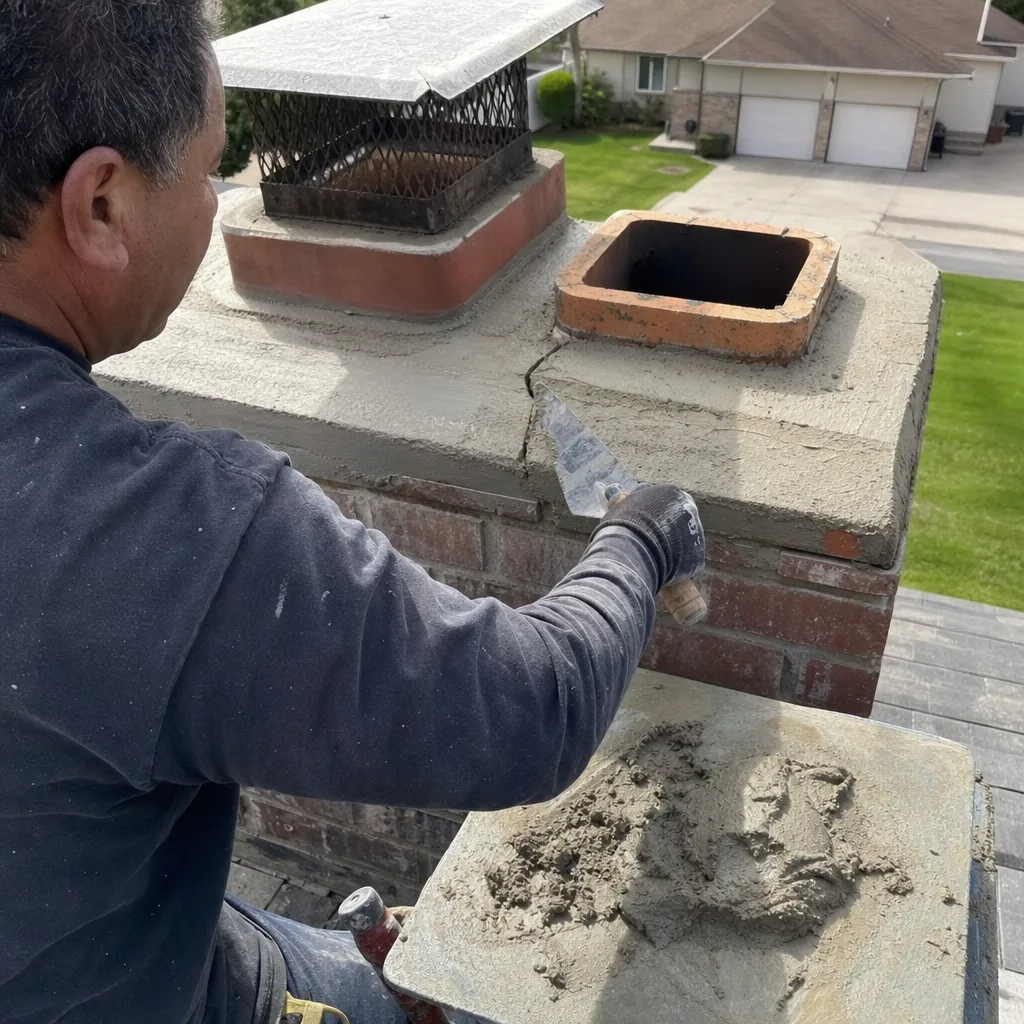
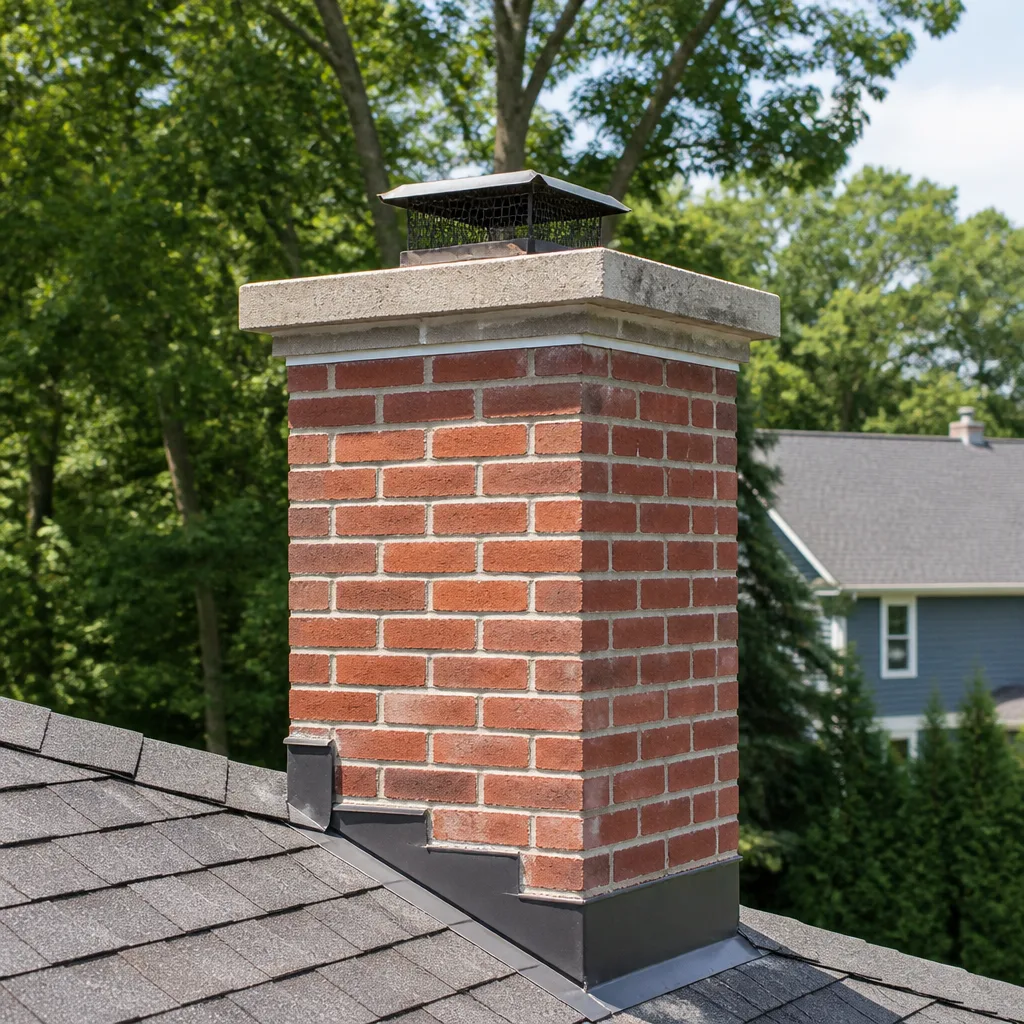
- Cracked crown. The concrete top of the chimney shrinks and cracks over time; freeze-thaw widens those cracks and lets water into the flue structure.
- Lifted or separated flashing. The metal seal where the chimney meets the roof takes the most abuse from ice. Any gap at the flashing line is a direct path for spring rain.
- Spalling brick. Brick faces that flake or pop off in layers are a sign of moisture cycling. Left alone, spalling moves from the surface into the structure.
- Rust streaks on the firebox or damper. Visible rust inside after a wet spring tells you water is getting in somewhere above.
Spring is also the easiest time of year to schedule work, because nobody’s thinking about their fireplace. If a spring inspection turns up a cracked crown or failing mortar, that’s the moment to get it repaired, not October when every sweep in Utah County is booked out. Crown and cap work using Gelco and Famco components is the standard fix here; those products are purpose-built for weatherproofing and venting, not improvised hardware-store parts.
Summer: Capping and Moisture Control Before Monsoon Season
Most people assume a chimney that isn’t being used is a chimney that’s fine. It’s the opposite. An idle flue in July is an open pipe, and it invites trouble. Birds and squirrels nest in open flues constantly, and a nest is both an obstruction and a fire hazard the first cold night you light a fire. Moisture is worse. Summer rain blows into an uncapped flue, mixes with leftover soot and creosote residue, and turns it acidic. That acidity eats at mortar and metal over months. The fix is simple: a proper cap and a check that the crown is shedding water instead of pooling it.
Before the monsoon pattern arrives, do a summer walk-around:
- Look at the chimney top with binoculars. You’re checking for a cap that’s still attached, a crown that’s intact, and no visible debris in the flue opening.
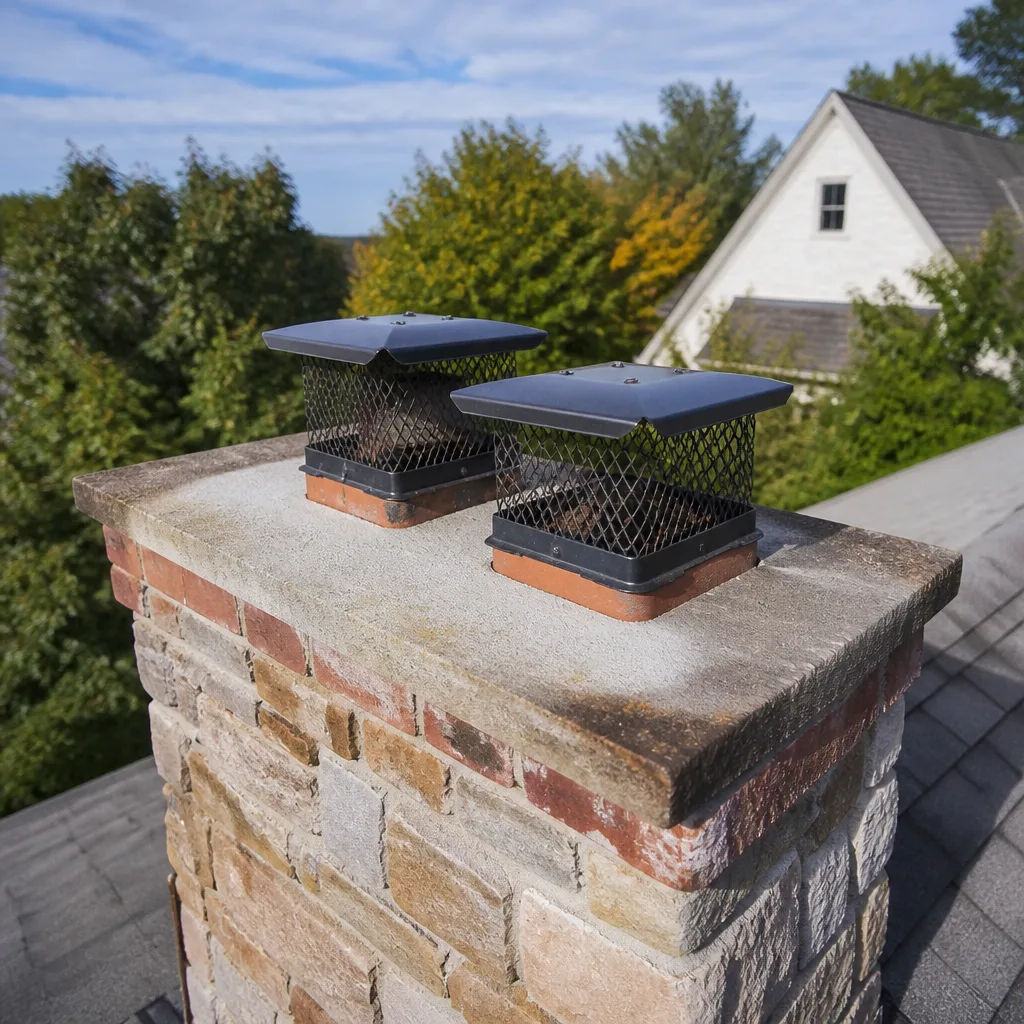
- Verify your cap is screening the flue. A cap with a mesh screen keeps birds and squirrels out while venting properly. Our cap and crown work uses Gelco and Famco components because they’re built for exactly this job.
- Check the firebox interior for signs of moisture. Rust, damp ash, or a musty smell means water is getting in somewhere above.
- Confirm the damper closes snugly. A damper that doesn’t seal lets humid summer air into the flue, which is the last thing a metal liner needs.
If your chimney has no cap at all, that’s the single highest-value fix available in summer. A cap and crown job costs a fraction of what a water-damaged crown rebuild or a relined flue runs, and it prevents both. In our experience, most Lehi homes over a certain age either never had a proper cap or lost one to wind years ago. A quick inspection settles which.
Fall: Timing Your Cleaning Correctly
Fall is when everyone calls. But the right timing for a cleaning is more specific than “once the leaves turn.” Schedule too early and you’re cleaning a flue that’s about to sit idle through October while leaves blow around; schedule too late and you’re the one lighting a fire in November because the sweep was booked three weeks out. The window that works best in Lehi is late September into early October: after the cooling pattern sets in, before serious burn season, and early enough that if the inspection turns up a problem, there’s time to fix it.
A fall visit should include both a cleaning and an inspection, but they aren’t the same service and they shouldn’t be bundled by default. The cleaning removes soot and creosote from the flue. The inspection is a condition report on the whole system: firebox, damper, flue liner, cap, crown, and exterior masonry. We offer inspections as a standalone service, so you can get an honest assessment of your chimney even if the cleaning can wait a season. That matters for first-time buyers and anyone reviewing a home inspection flag.
If you’re hiring a chimney sweep in Lehi this fall, ask two questions: does the sweep include a camera inspection, and will you get a written condition report afterward. Those two questions separate a service from a sweep that runs a brush down the flue and leaves.
Winter: Creosote, Burn Frequency, and Mid-Season Checks
Winter is when most chimney fires start, but the reason is more specific than “cold weather.” It’s burn frequency and burn temperature. During Lehi’s cold stretches, and especially when wood fires run heavy through a winter inversion cycle, the flue can’t warm all the way up between burns. Cold flue walls condense creosote onto the liner faster. That creosote starts as a flaky stage one, and with repeated cool burns it can progress into stage two (crumbly and increasingly combustible) and eventually stage three (glazed, tar-like, and stubborn to remove). Stage three creosote is what puts a chimney at real risk, and it’s usually found in homes that burn frequently and clean annually, because the buildup outpaces the cleaning cycle.
During the burn season, watch for these signals that a mid-season cleaning is warranted:
- Heavier smoke from the chimney top than usual, or smoke curling back into the room.
- A creosote smell inside the house, especially on warmer days when the fire is out.
- A duller fire than the wood quality should produce.
- Visible buildup when you look up the flue with a flashlight.
- Any sudden change in draft or a fire that’s harder to light than it should be.
None of these means a chimney fire is imminent. They’re a prompt to get someone out to look. If the answer is “your liner is fine and creosote is within normal range,” that’s a genuinely useful result. If the answer is “glazed creosote on the liner,” you want to hear it in January, not April. The other winter factor in Lehi is carbon monoxide risk. When a flue is obstructed or drafting poorly, exhaust can back up into the living space. That isn’t a reason to panic, but it is a reason to own a working CO detector on every level and to take a poorly drawing fire seriously.
Building a 12-Month Chimney Task Calendar for Lehi’s Climate
Generic online advice says “sweep once a year and you’re done,” which doesn’t match how a chimney actually ages in a Utah valley. Here’s a task calendar built around what Lehi’s seasons actually do, from freeze-thaw in spring to inversion-season burn patterns in winter.
- March – April: Walk the exterior after the freeze-thaw cycle ends. Look for spalling brick, cracked mortar joints, a cracked crown, and lifted flashing. Book a professional inspection if anything looks off. Spring is the easiest time to get on a schedule.
- May: Confirm your cap is intact and screened. If you don’t have a cap, get one. If the crown is cracked and pooling water, get it repaired before summer rain.
- June – August: Summer is the right window for larger jobs. Repointing, crown rebuilds, liner replacement, and firebox restoration can all be done in fair weather without disrupting the burn season. If your chimney needs HeatShield firebox or liner restoration, this is when to schedule it.
- September – October: The annual cleaning, plus an inspection. Time it before first fire, not the week of. If a repair is needed, you have time to schedule it properly.
- November – February: Monitor during burn season. Watch for the mid-season signals above and call if anything changes. A busy burn season may justify a second cleaning if you’re burning heavily.
The point of a calendar isn’t to make chimney care feel like a second job. It’s that each of these tasks is small on its own, and together they prevent the expensive version of the same problem. A capped crown in May prevents a wet firebox in January. Repointed mortar in April prevents a rebuild in five years.
What a Proper Inspection Actually Covers
An inspection and a cleaning are different services, and treating them as the same thing is where homeowners get surprised later. A cleaning removes soot and creosote from the flue. An inspection is a condition report on the whole chimney system, and it’s worth knowing what that report actually includes so you can ask for it directly.
A thorough inspection covers:
- The firebox interior. Cracks in the firebrick, failed mortar joints, and signs of water damage.
- The damper. Whether it opens, closes, and seals as it should. A stuck-open damper wastes heat and lets moisture in.
- The flue liner. Condition, gaps, and whether the original liner is intact and appropriate for the appliance.
- The smoke chamber and smoke shelf. Where a lot of problems hide, and where HeatShield restoration is often the right fix without demolition.
- The cap and crown. Damage, missing screening, and whether water is shedding or pooling.
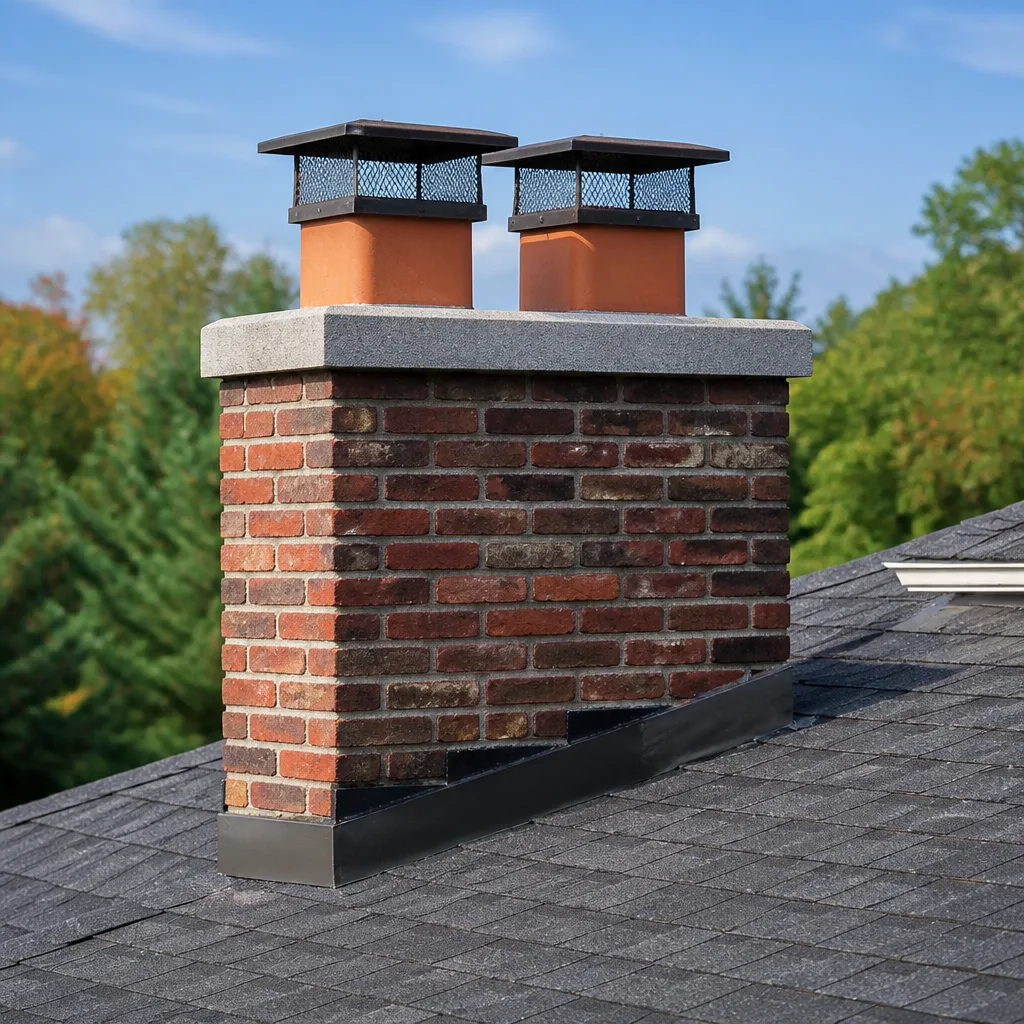
- The exterior masonry. Brick condition, mortar joints, and flashing at the roofline.
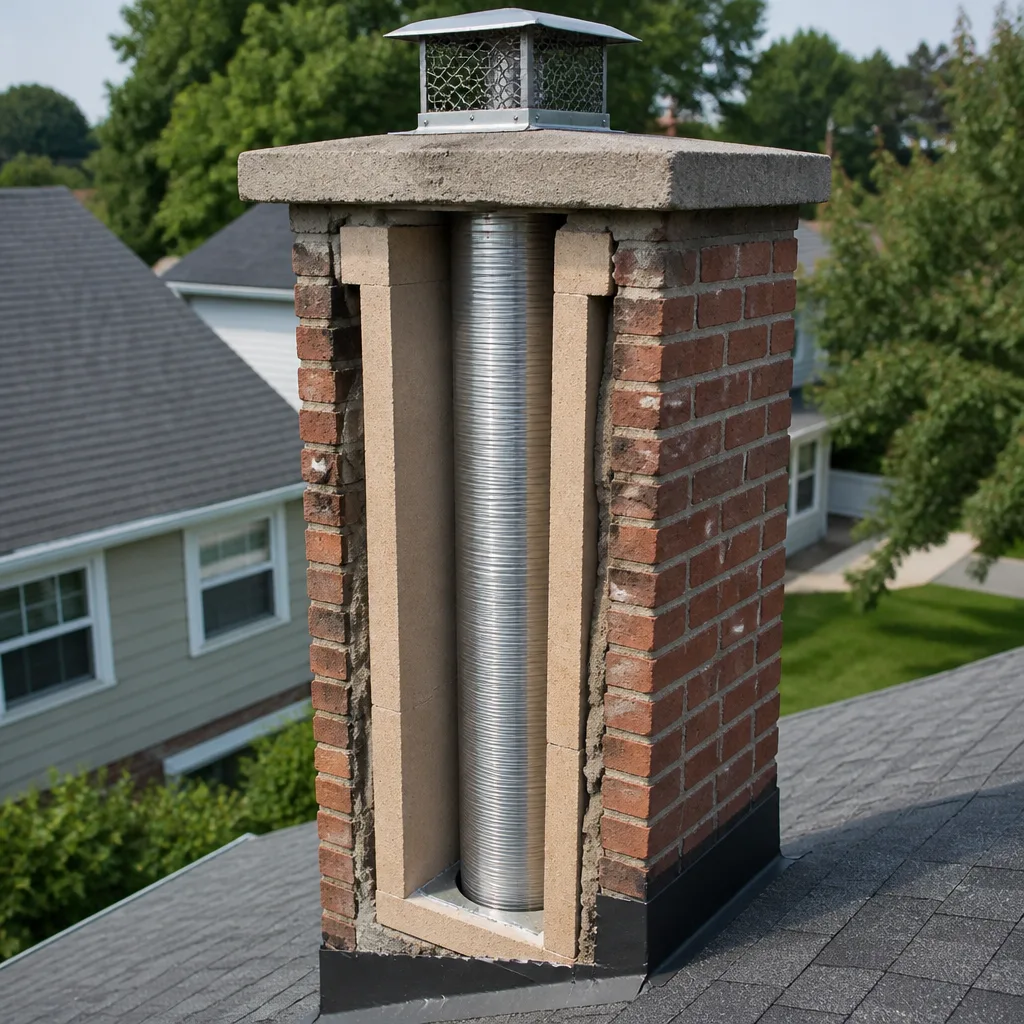
If a chimney inspection turns up a failing flue liner, the answer isn’t always “rebuild.” A DuraFlex flexible flue liner system can reline a flue without tearing into the chimney, and we’re authorized to install DuraFlex for exactly this kind of repair. HeatShield handles many firebox and smoke chamber restorations the same way: professional-grade repair without demolition. What we won’t do is recommend a liner or masonry job you can’t verify. Every recommendation we make is backed by camera inspection and photos you can look at yourself. If your chimney can safely wait a season, we say so. Nothing gets recommended without evidence, and the report is yours to keep.
Why Material Choice Matters for Utah County Chimneys
A chimney repair is only as good as what goes into it. The parts that fail first in Lehi’s climate are usually the ones that were patched with the wrong material to begin with: a crown poured with generic concrete, a cap improvised from hardware-store sheet metal, a firebox patched with mortar that wasn’t designed for high heat. Those fixes look fine the year they’re done and fail within a few seasons of freeze-thaw.
What we use is different because it’s built for the job:
- HeatShield for firebox and flue liner restoration, a specialist repair system most general handymen don’t carry or know how to apply correctly.
- DuraFlex flexible flue liner systems, professionally specified and installed by a team authorized to install them.
- Gelco and Famco cap and crown components, purpose-built for venting and weatherproofing in a climate that swings hard between freezing and thawing.
- Olympia Chimney and Copperfield components, both widely used by certified chimney professionals.
The difference isn’t cosmetic. A crown that’s poured with a proper mix sheds water for years; a generic one cracks. A cap that’s built to vent correctly keeps birds out without trapping smoke. When we came to describe our approach, “professional-grade materials, properly installed” says it. That’s the standard we hold to across chimney repair, fireplace repair, and cap and crown work.
One more note on materials: if a contractor recommends sweeping and then immediately offers to patch your firebox on the spot, ask what material they’ll be using. A repair done without HeatShield or a comparable specialist product will fail faster than the original problem. A proper repair starts with an inspection report, not a sales pitch.
Common Mistakes to Avoid
- Sweeping too early in the fall. A September cleaning on a chimney that then sits unused through October is a cleaning you’ll do again in November. Time it to just before you actually light the first fire.
- Ignoring spring masonry damage because the chimney “worked all winter.” Freeze-thaw damage doesn’t show up as a problem until the next burn season. By then, a small crack has become a bigger repair.
- Leaving the flue uncapped through summer. A missing or failed cap invites nesting, rain intrusion, and acidic corrosion inside the flue. It’s the cheapest fix on the whole list and the one most often skipped.
- Treating a cleaning and an inspection as the same thing. A cleaning doesn’t tell you the condition of your liner, crown, or firebox. If you only get one thing in a year, get the inspection.
- Burning frequently without a mid-season check. If you’re running a fire most nights through the cold months, an annual fall cleaning may not be enough. A mid-season look at creosote level is worth the trip.
- Putting off a liner recommendation because it sounds expensive. A failing liner can let creosote and heat into the structure, which is a bigger repair than the liner itself. If it can safely wait, we say so; if it can’t, you should know before the next burn.
- Hiring based on price alone without knowing what’s included. A sweep that skips the camera inspection is a sweep that can’t tell you what’s actually inside your flue. Ask what the report covers before you book.
See the difference
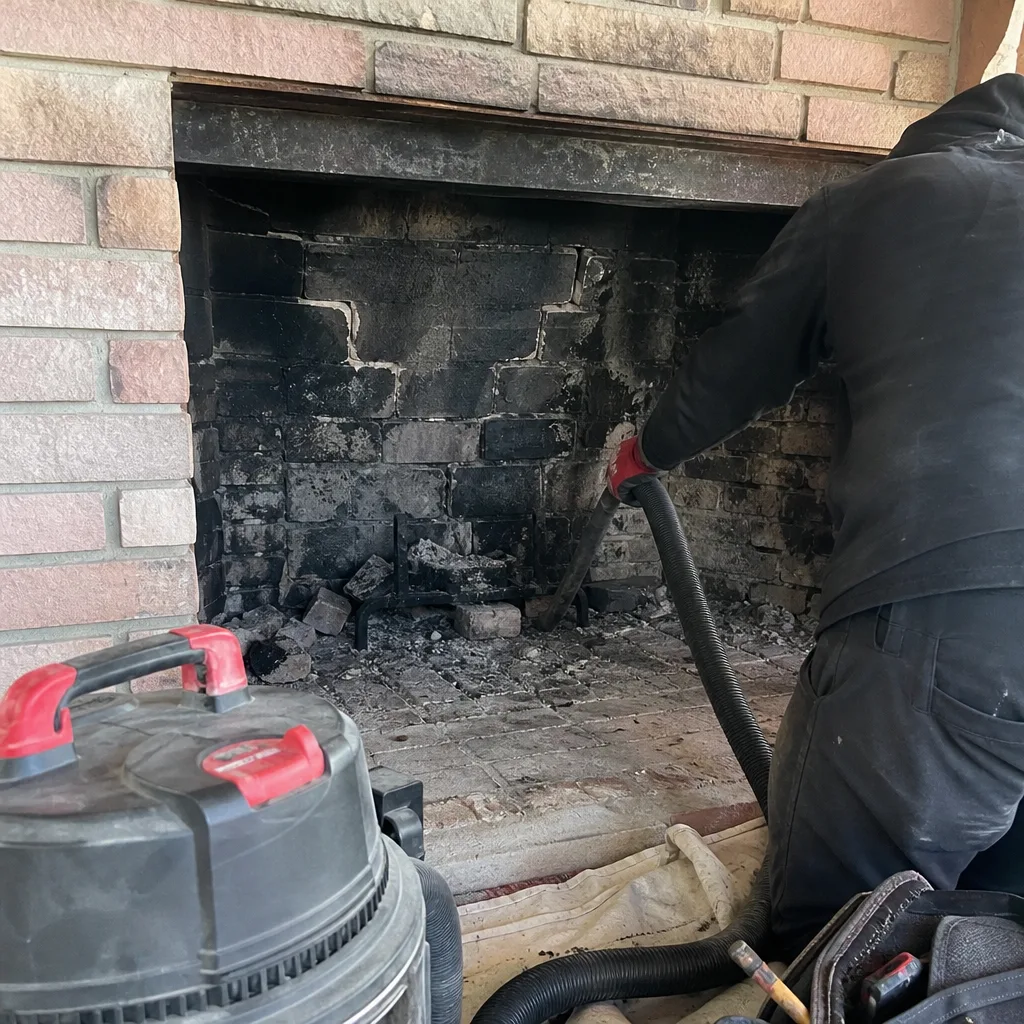 Before
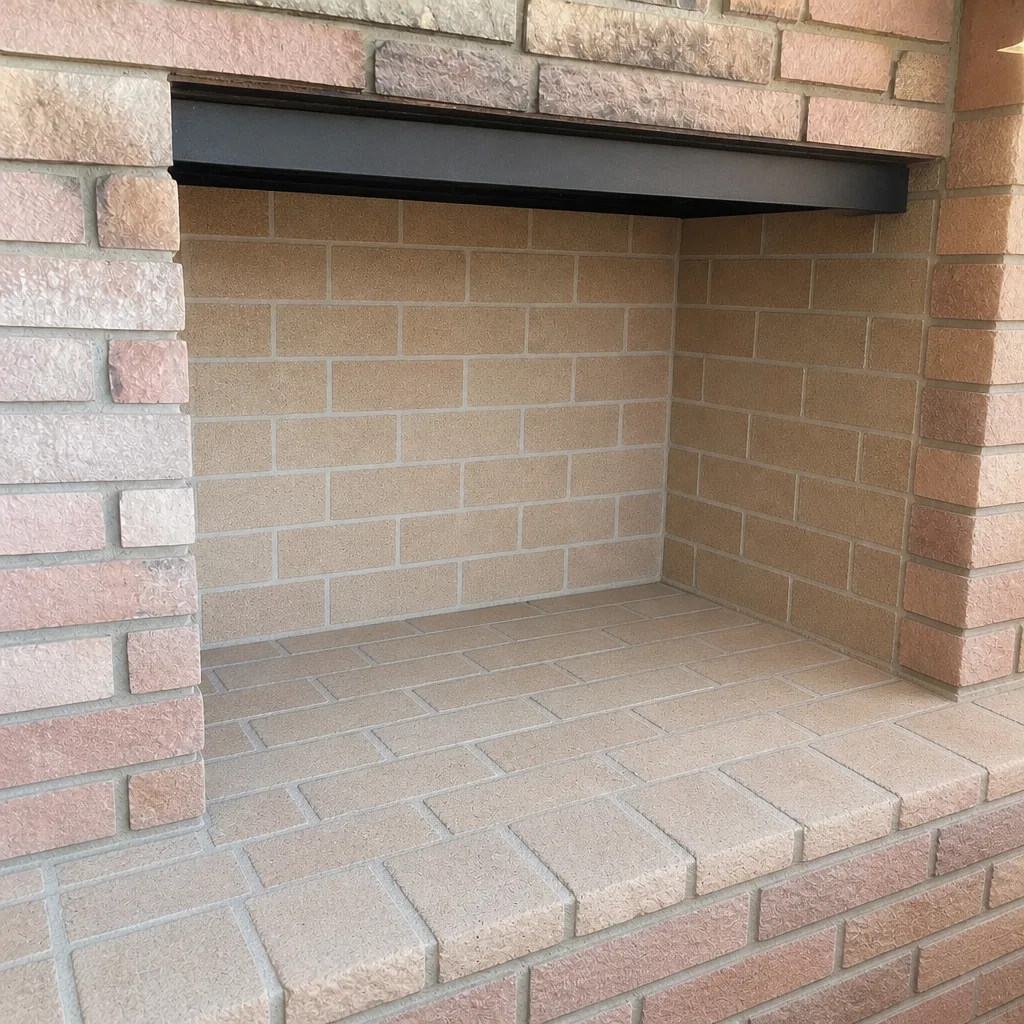 After
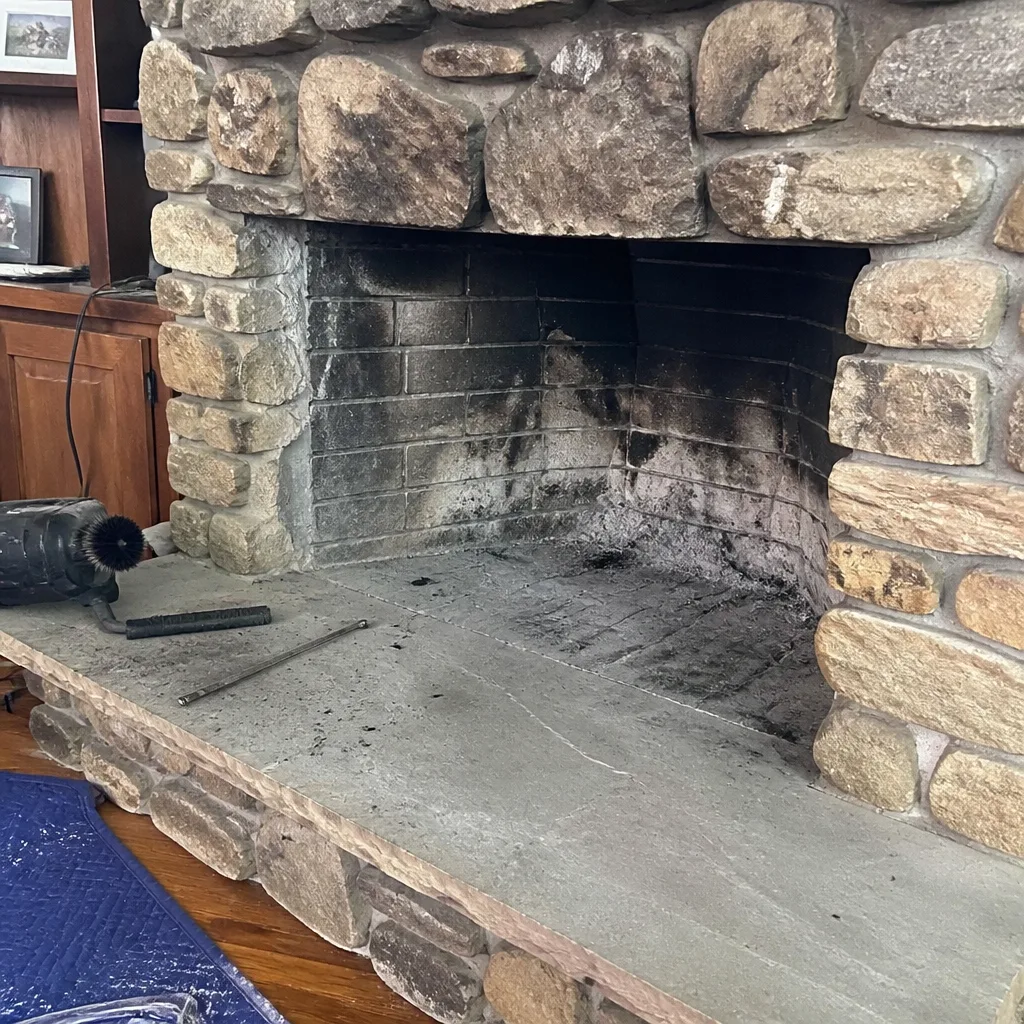 Before
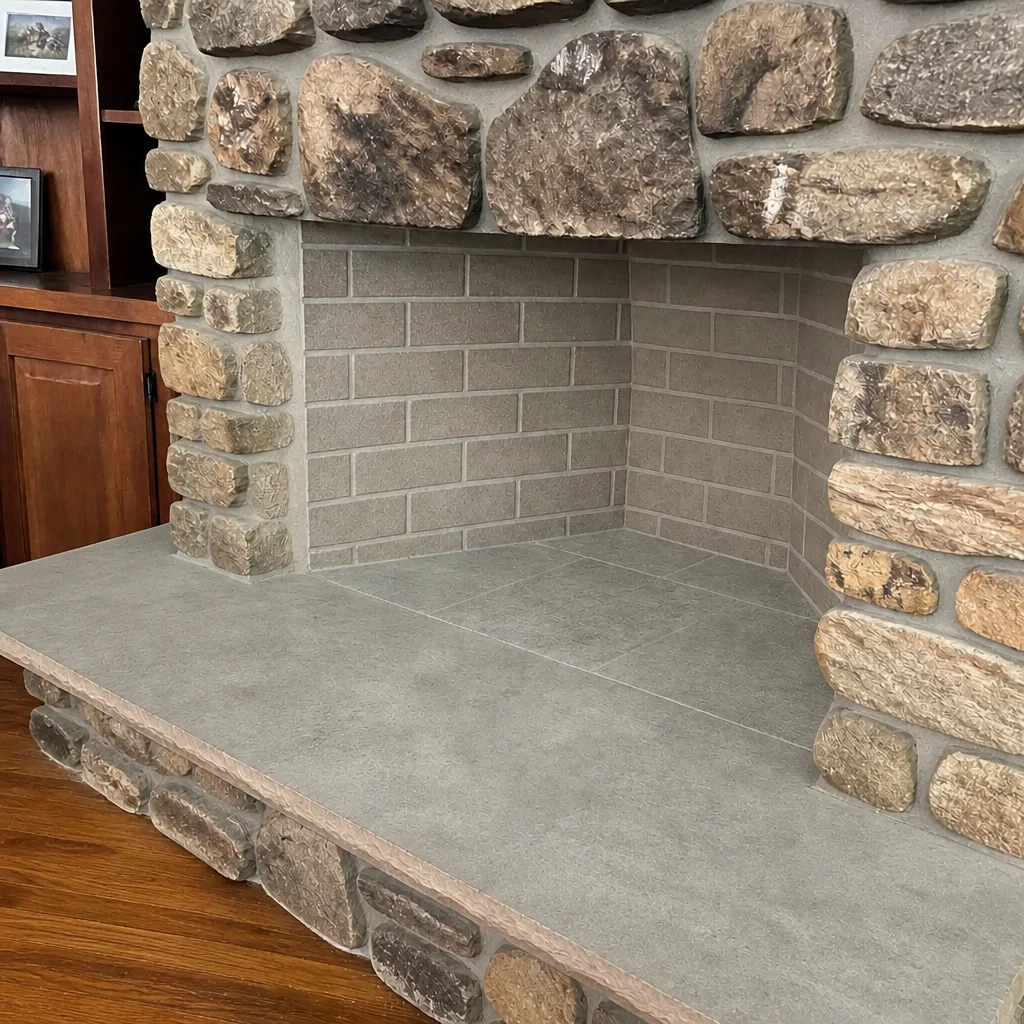 After
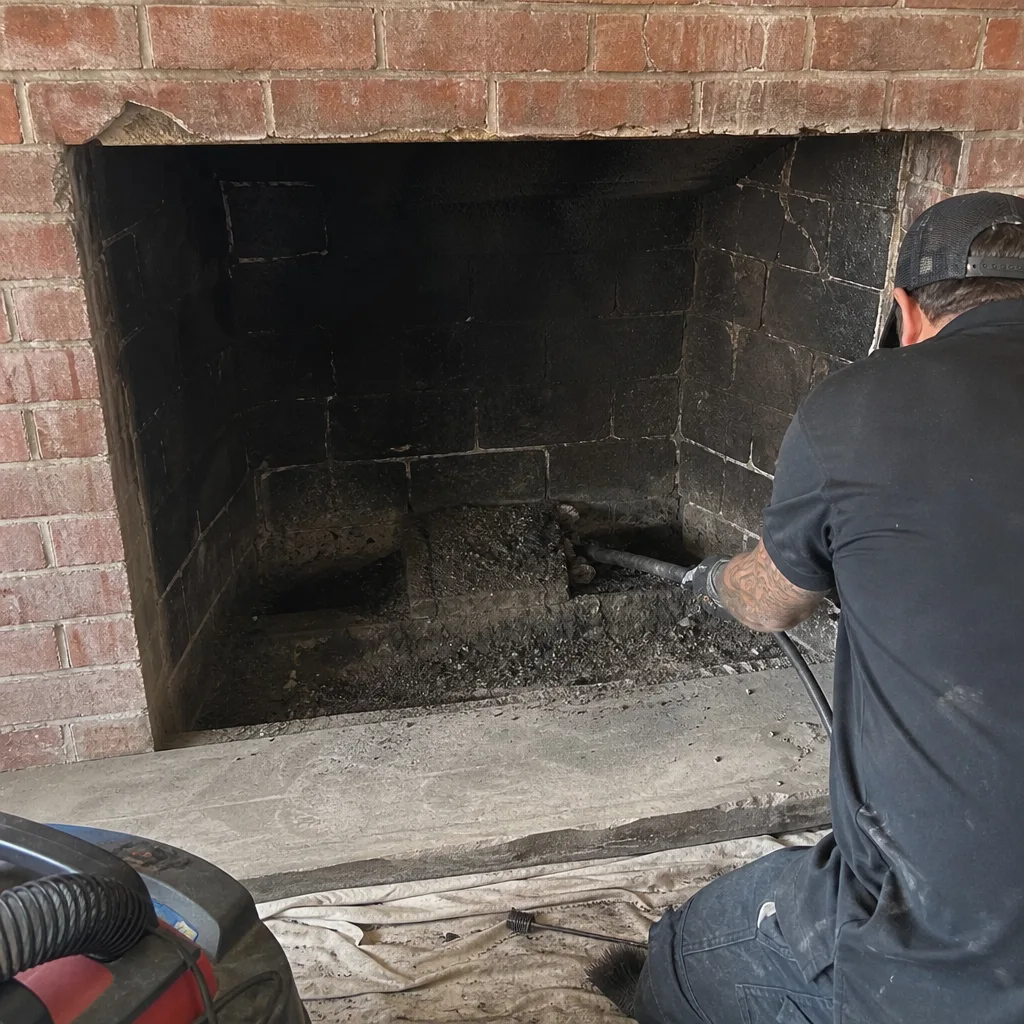 Before
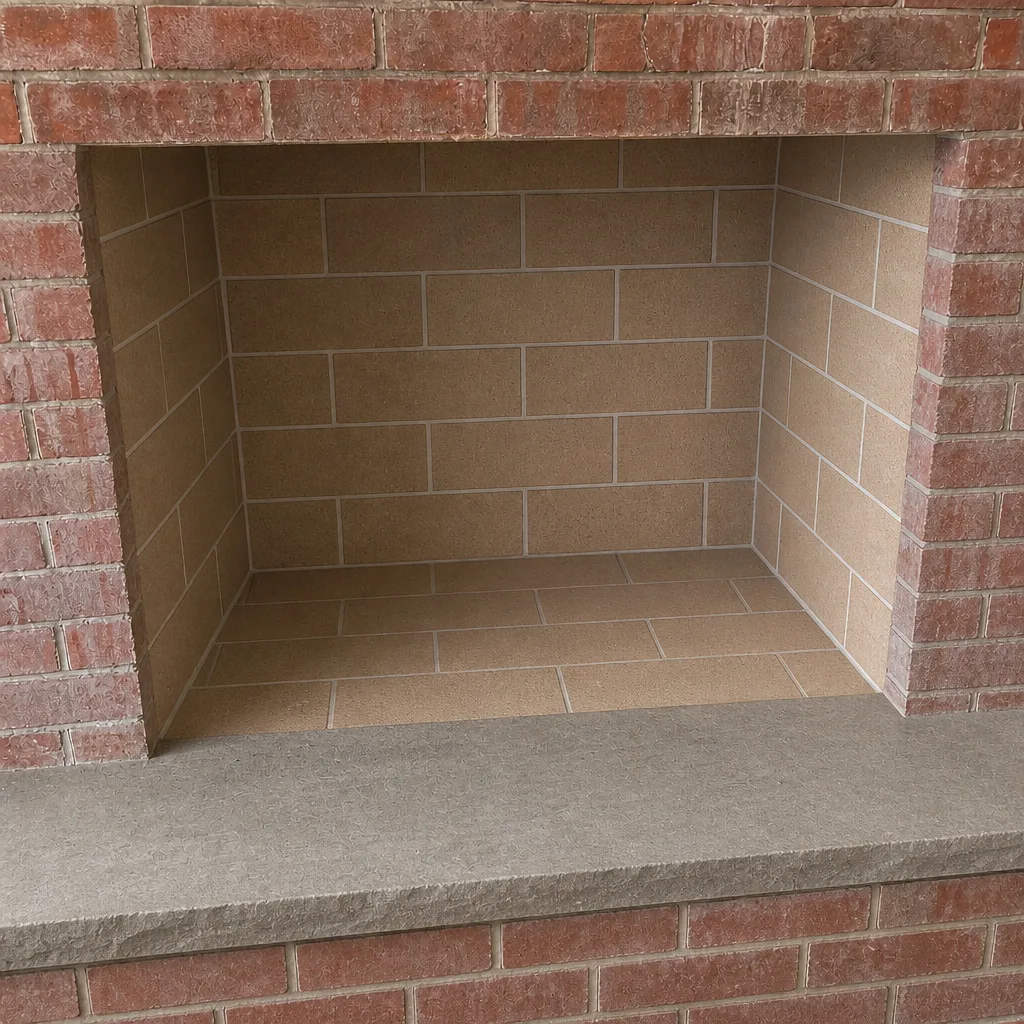 After
When to Call a Professional
Most seasonal chimney tasks are simple to schedule but not simple to do safely. Climbing onto a roof to inspect a crown, repairing flashing at the roofline, working inside a flue, and evaluating a firebox are all jobs that call for a trained technician and the right equipment. If the freeze-thaw cycle has left you with a crumbling crown, if you’re seeing rust inside the firebox after a wet spring, if your inspector flagged your liner, or if you’re just not sure when the chimney was last checked, that’s the moment to call. Safety is the real reason to act: a blocked or failing flue puts carbon monoxide and chimney fire risk into play, and those are worth taking seriously without anyone needing to scare you into it. The Lehi Chimney Sweep team offers free estimates in Lehi, and we answer 24/7. Call (877) 820-9718. Fast dispatch from 7am to 7pm, Sunday through Friday.
Frequently Asked Questions
Once a year is the baseline, timed to just before burn season, but homes that burn frequently through the winter often benefit from a mid-season check. Creosote builds faster in cold flues, so heavy burners in Lehi’s inversion-season cold stretches should watch for the signals listed above and call for a mid-season look if anything changes. A busy burn season isn’t a reason to skip the annual cleaning; it’s a reason to stay on schedule. Call (877) 820-9718 to book a sweep and an inspection together.
Spring and summer are better for repairs because the work can get done in fair weather and doesn’t compete with the fall rush. Freeze-thaw damage shows up in spring, and scheduling a repair then means the chimney is ready by fall. Fall is the right time to clean, not to discover a structural problem. If your spring inspection turns up a cracked crown or damaged flashing, get it scheduled before summer. Call (877) 820-9718 for a free estimate.
Only if the inspection shows yours has failed, and you should never take that on faith. We back every liner recommendation with camera inspection and photos you can review yourself. If a DuraFlex flexible flue liner is the right fix, it can often be installed without tearing into the chimney; if your liner can safely wait a season, we’ll tell you that too. Nothing gets recommended without evidence. Call (877) 820-9718 for an inspection and a written condition report.
Yes. A cap keeps birds, squirrels, and rain out of an idle flue, and in Lehi’s summer monsoon pattern, an uncapped flue lets rain into the firebox where it mixes with leftover creosote and corrodes the liner over months. Cap and crown work using Gelco and Famco components is the standard fix, and it’s the highest-value item on the seasonal task list. Call (877) 820-9718 to schedule a cap inspection.
We don’t recommend it. The cleaning itself seems simple, but getting onto the roof safely, working at height, handling soot and creosote, and evaluating what you find once you’re up there are jobs that call for a trained technician with the right equipment. The firebox, flue liner, and smoke chamber are also places where a real inspection matters more than a brush. A professional sweep includes the inspection report that tells you the condition of the system, not just the inside of the pipe. Call (877) 820-9718 for a free estimate.
Sometimes nothing, and sometimes a great deal, which is why an inspection is worth doing even in years you skip the cleaning. What’s certain is that freeze-thaw keeps working on masonry whether or not anyone’s looking, creosote keeps accumulating in flues that are being used, and a small crack becomes a bigger one. Skipping one year isn’t a disaster. Skipping three in a row is how homeowners end up with a crown rebuild they didn’t plan for. Call (877) 820-9718 for an inspection and a written condition report.
The Bottom Line
Chimney care in Lehi isn’t a fall task, it’s a year-round cycle with four distinct windows. Spring is when freeze-thaw damage shows up in masonry and flashing. Summer is when an uncapped flue invites moisture and nesting. Fall is when cleaning and inspection belong, timed to just before burn season. Winter is when creosote buildup and draft problems deserve a mid-season look. Do the small tasks in each season and the expensive repairs don’t tend to happen. Skip them, and the same chimney that worked fine all winter becomes the one that needs a crown rebuild or a liner replacement. A free written estimate and an honest inspection are the place to start.
Call Lehi Chimney Sweep at (877) 820-9718 for a free estimate. We answer 24/7. Fast dispatch from 7am to 7pm, Sunday through Friday. Our technicians have up to 12 years of experience, and every recommendation we make is backed by camera inspection and photos you can review yourself.
Written by the team at Lehi Chimney Sweep.