
Last updated November 24, 2026
 Sweep & inspection
 Caps & crowns
 Flue relining
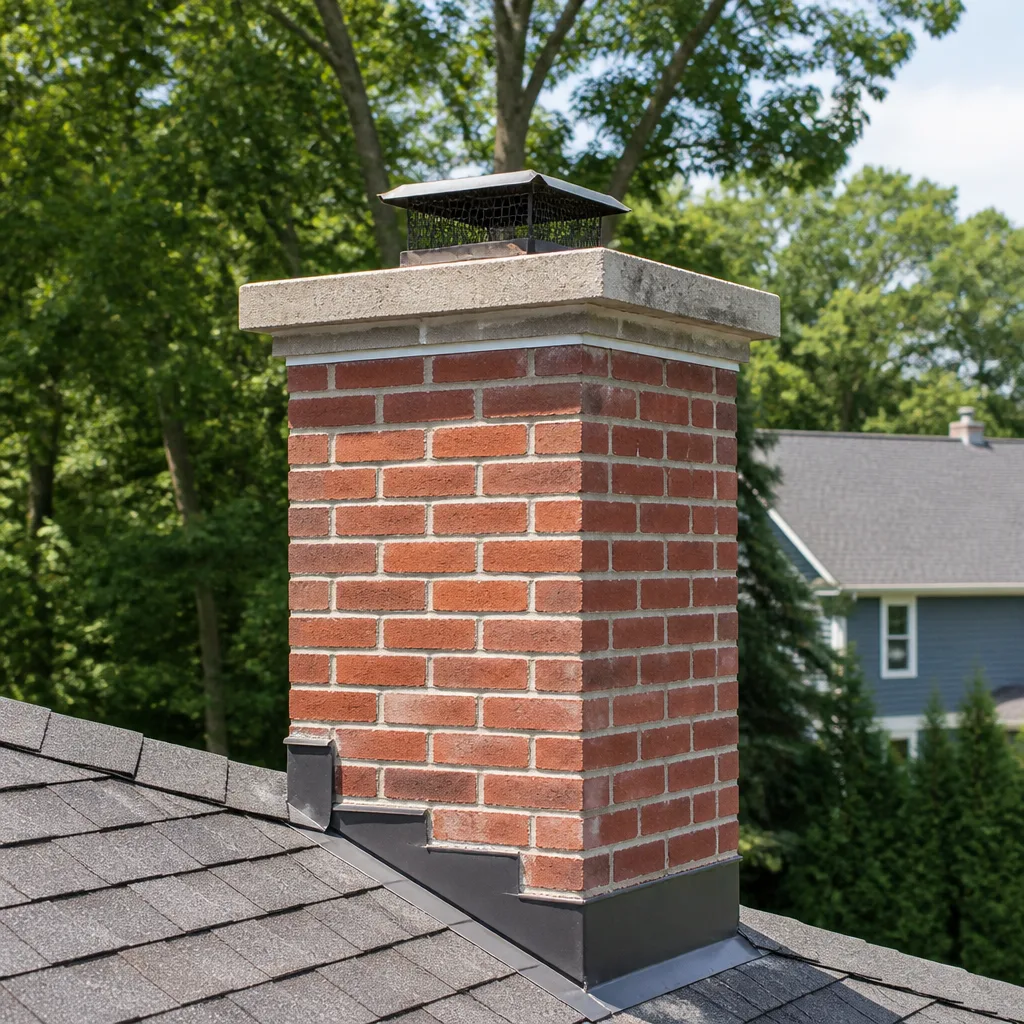 Masonry repair
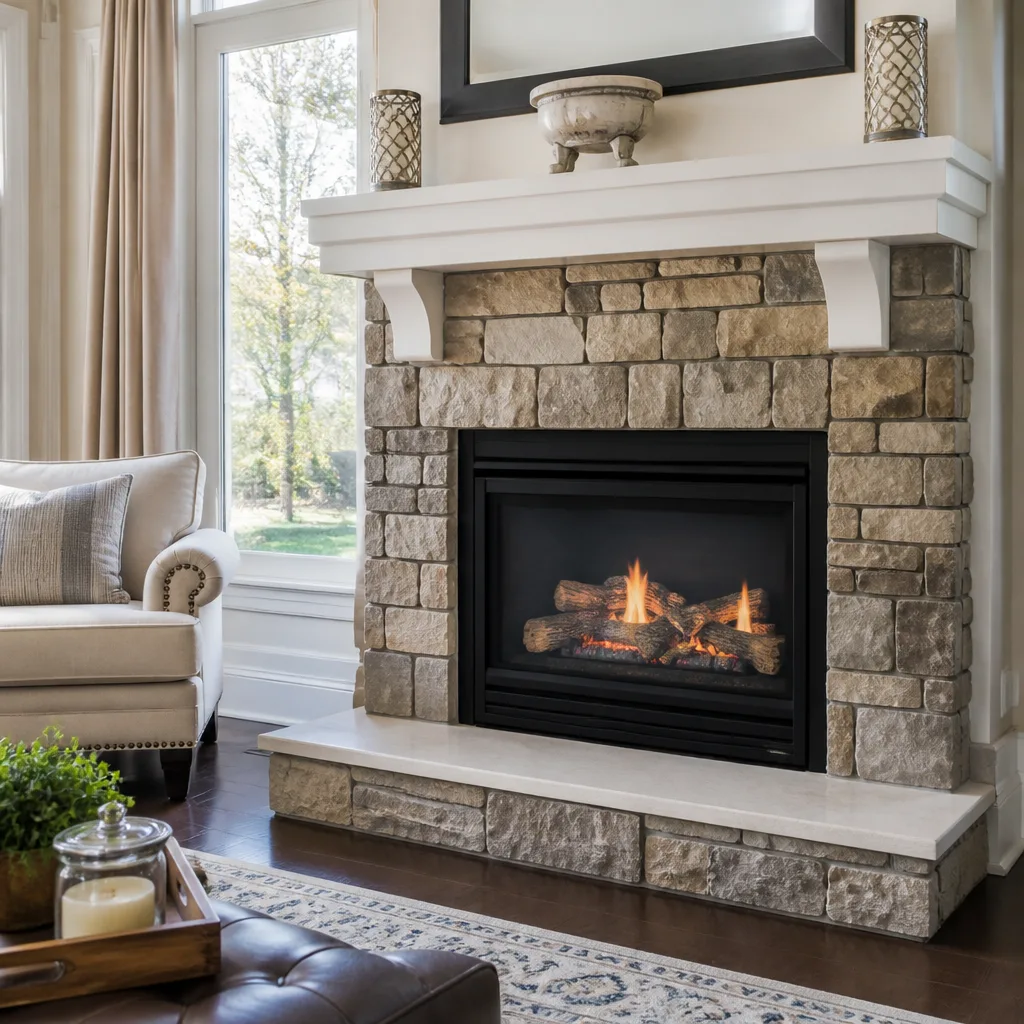 Gas fireplace service
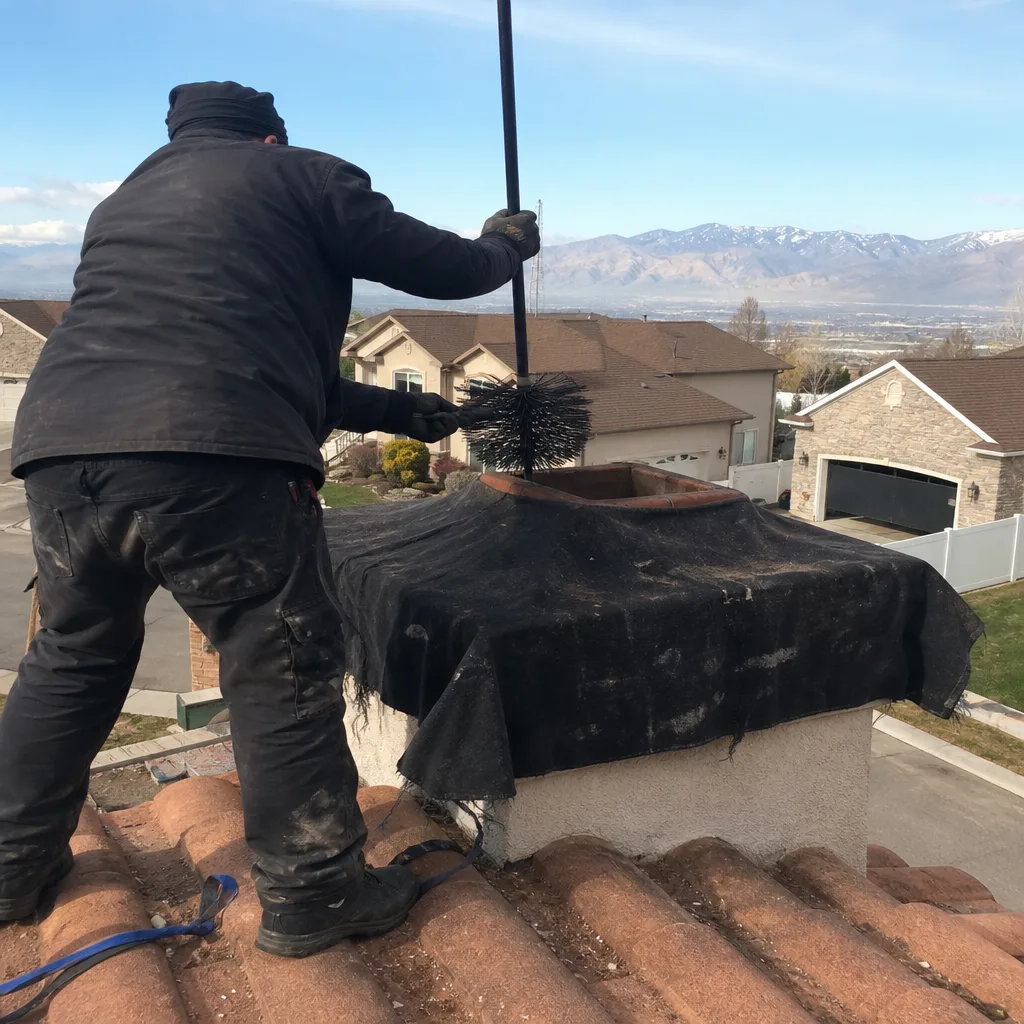
Level 1 sweep and inspection to the NFPA 211 annual standard - flue, crown, cap, and flashing checked and photographed
Chimney sweep logs do not sweep chimneys. They loosen some creosote - which then falls where a brush and vacuum still have to collect it.
Chimney Sweep Maintenance Checklist for Lehi Homeowners
The chimney cap is the first thing to fail in a Utah spring storm and the last thing most homeowners think to check before lighting the first fire of fall. By the time the cold settles in along the east bench and out toward Saratoga Springs, a season of nesting birds, wind-driven rain, and freeze-thaw cycling has already worked on the crown and the flashing. What follows is a working document, not a reminder to sweep once a year. It’s organized by component, tied to real triggers like burn frequency and fuel changes, and built so you can log what you find and hand it to an inspector, a buyer, or your insurer without guessing.
Quick Answer
A Lehi chimney needs a professional sweep and inspection once a year if you burn wood regularly, plus a visual check of the cap, crown, flashing, and firebox before each heating season and after any major storm. Beyond the annual sweep, schedule a look after a chimney fire, after a fuel-type change, or before buying or selling a home. Everything else on this checklist is something you can safely observe yourself.
Styles & brands we work with
- Sweep & inspection
- Caps & crowns
- Flue relining
- Masonry repair
- Gas fireplace service
Table of Contents
- The Component-by-Component Checklist
- Cap, Crown, and Flashing: The Weather Side
- Liner, Damper, Firebox, and Smoke Shelf
- Trigger-Based Maintenance: Beyond the Annual Sweep
- What You Can Safely Check vs. What Needs a Certified Sweep
- Freeze-Thaw Cycles and Pre-2000 Mortar Joints
- How to Log Maintenance History That Actually Helps
- Seasonal Timing for Lehi Chimneys
The Component-by-Component Checklist
A chimney is not one thing. It’s a stack of components that fail on different schedules for different reasons, and treating it as a single item is why so many homeowners discover problems after they’ve already done damage. Here’s the checklist we walk a Lehi chimney through, from the top down. You can use it the same way, whether you’re doing a visual pass or preparing for a professional inspection.
- Chimney cap – check for rust, loose fasteners, and gaps where birds or rain can get in. Look at it from the ground with binoculars before every burn season.
- Crown – the concrete or masonry slab at the top. Scan for cracks wider than a hairline, spalling, or separation where it meets the flue.
- Flashing – the metal that seals the chimney to the roof. Look for lifted edges, rust, or staining on nearby shingles.
- Liner – check for visible cracking, gaps, or deterioration at the top and inside the firebox throat. Glazed or damaged clay tile is a signal to stop and call.
- Damper – open and close it fully by hand. It should move without grinding, and it should seal flat when closed.
- Firebox – look for cracked brick, crumbling mortar, or gaps between the firebox and the surround.
- Smoke shelf and smoke chamber – visual inspection requires looking up from inside the firebox. This is one of the spots most often neglected and most often the source of poor draft.
That’s the full component map. We’ll break down each one below, but the key point is this: the cap and crown fail first in our local weather, and the liner is the component that decides whether your house is safe to burn in. The rest of the checklist fills in between those two.
Cap, Crown, and Flashing: The Weather Side
Everything on the roof side of a chimney is fighting Utah County weather, and a Lehi chimney takes the worst of it on the east bench and at the higher elevations toward Traverse Mountain. Wind, driving rain, snow load, and freeze-thaw cycling all land on the cap, crown, and flashing before anything else.
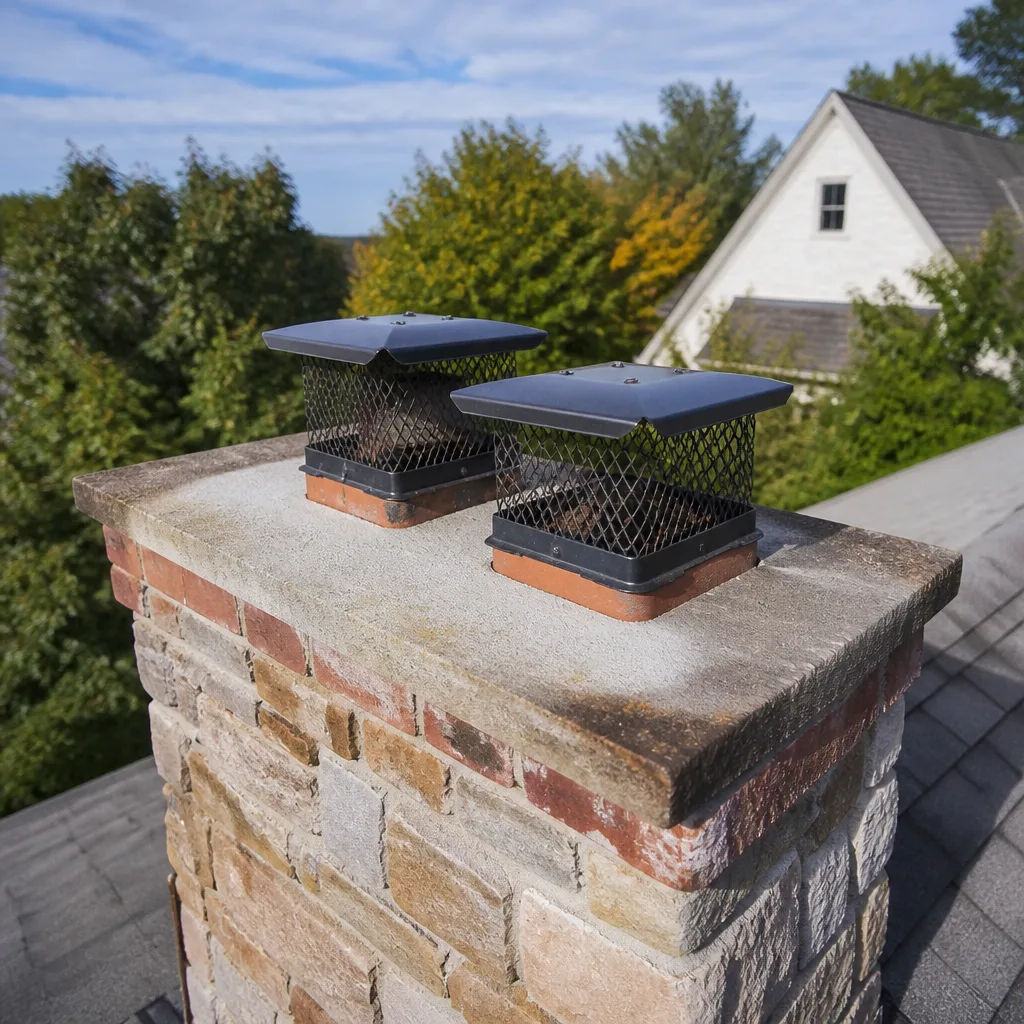
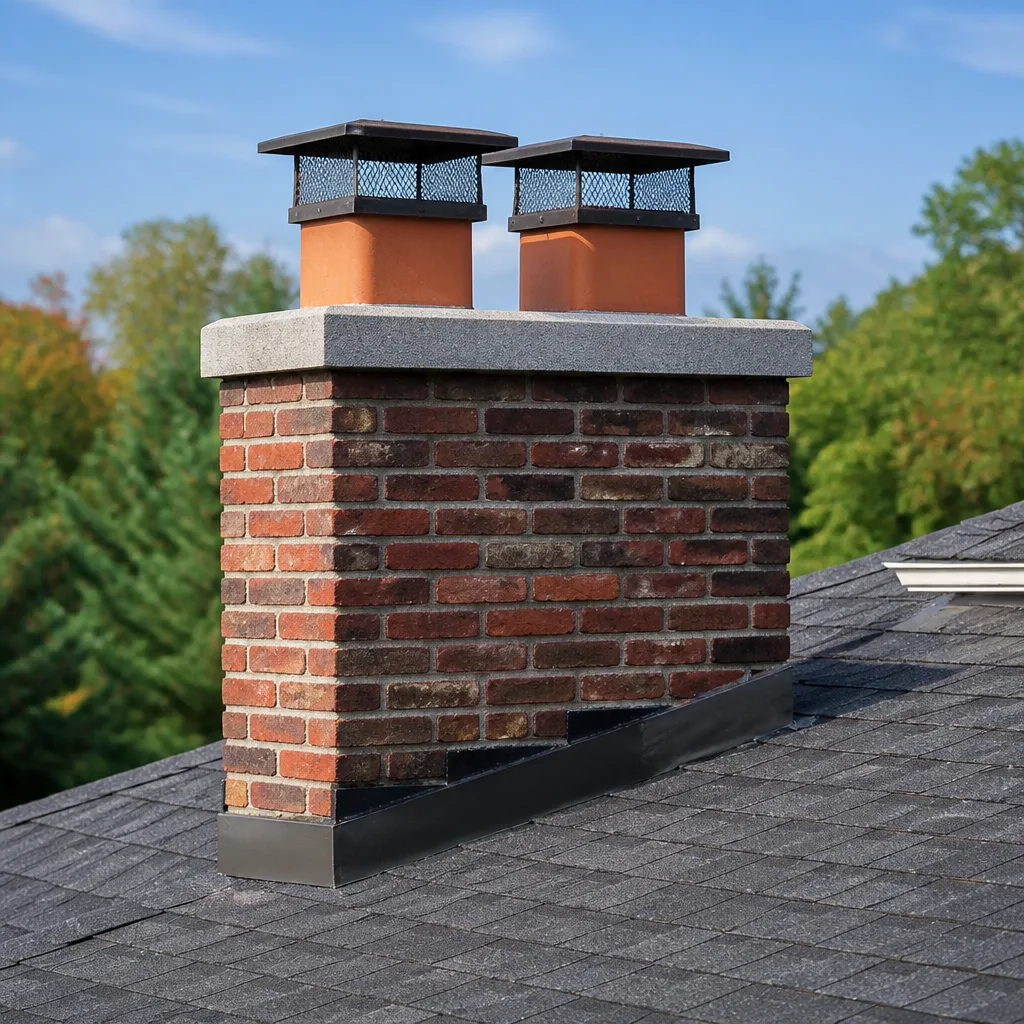
The cap. A chimney cap is a small roof with mesh sides that sits on top of the flue. Its job is to keep rain out, keep birds and squirrels from nesting, and keep sparks from landing on your roof shingles. When a cap rusts through or comes loose, water enters the flue and begins working on the liner and smoke chamber. Bird nests in a flue are also a carbon monoxide concern because they obstruct the exhaust path. Most caps go bad before most homeowners look at them. We install Gelco and Famco caps because they’re purpose-built for venting and weatherproofing, not improvised hardware-store covers that rust through in a few seasons.
The crown. The crown is the sloped concrete or masonry slab at the top of the chimney that sheds water away from the flue. When cracks open in the crown, water runs down into the masonry instead of off it. Then a Lehi winter freezes it, and the freeze pushes the crack wider. Come spring, that crack is a foot-long channel. A crown that’s cracked but not displaced can often be sealed or recoated; a crown that’s separated or crumbling usually gets rebuilt.
The flashing. Flashing is the metal that bridges the chimney and the roof. Most roof leaks around a chimney aren’t chimney leaks at all – they’re flashing leaks. Look for lifted edges, gaps at the corners, and staining on the shingles or ceiling below. Re-flashing is a roofing-adjacent job, which is why a chimney specialist and a roofer sometimes need to coordinate. If you’d rather not manage two contractors, call us first and we’ll tell you which trade you actually need.
Liner, Damper, Firebox, and Smoke Shelf
This is the combustion side of the system, and it’s where the safety decisions actually get made. You can observe these from inside your home, but some of what matters most is only visible with a camera.
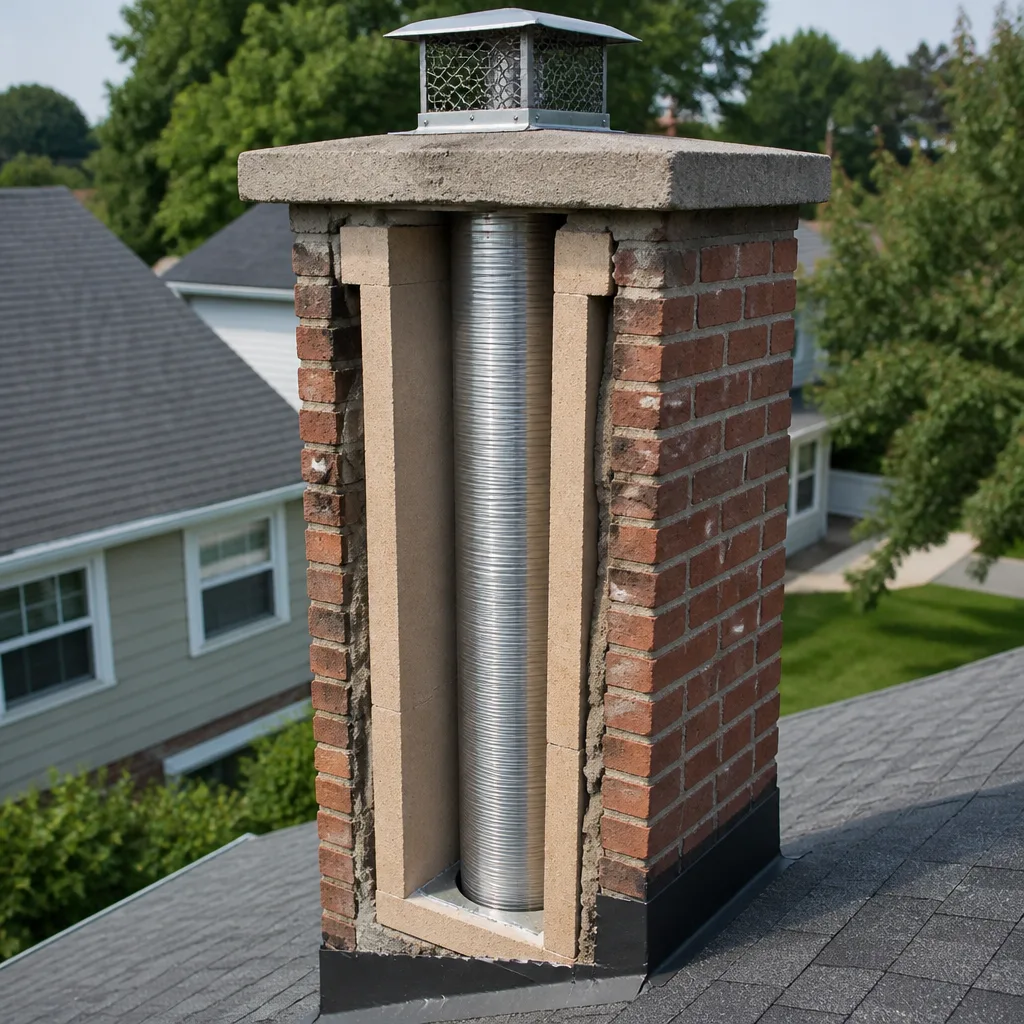
The liner. A flue liner is the vertical passage that carries smoke and gases up and out. Many Lehi homes have clay tile liners; older homes may have unlined chimneys; newer inserts and gas appliances sometimes have stainless liners. Any liner that’s cracked, displaced, or missing a joint is a carbon monoxide pathway. If you have a wood-burning appliance and the liner shows visible damage at the top or at the firebox throat, stop burning and get an inspection. Replacing a liner isn’t a weekend project – it’s a professional install, and we use DuraFlex flexible flue liner systems and HeatShield restoration when the existing flue can be saved without demolition.
The damper. The damper is the metal plate above the firebox that seals the flue when you’re not burning. If it doesn’t close flat, warm air from the house escapes up the flue all winter, and cold air comes down it. If it doesn’t open fully, smoke backs into the room. Work it by hand and see how it feels. Damper problems are among the easiest to catch early and among the most annoying to live with when ignored.
The firebox. The firebox is where the fire sits, and it takes direct heat. Look for cracked firebrick, mortar joints that have washed out, and any gap between the firebox walls and the surrounding masonry. Small cracks are common and often repairable with a refractory repair; larger structural damage requires rebuilding. HeatShield is our go-to for firebox and liner restoration because it restores the surface without full demolition.
The smoke shelf and smoke chamber. The smoke shelf sits behind the damper and the smoke chamber is the funnel above it that guides smoke into the flue. When soot, creosote, or debris accumulates on the smoke shelf, draft suffers and smoke can drift into the room on startup. This area is one of the reasons a professional sweep is more than a wire brush up the flue – a proper cleaning includes the smoke shelf and chamber, not just the visible opening.
Trigger-Based Maintenance: Beyond the Annual Sweep
The annual sweep is the baseline. The triggers below are the events that reset the clock, and most homeowners never think about them. In our experience, a chimney that’s been through a chimney fire, a fuel change, or an extended idle period needs attention before the calendar says it’s due.
- After a chimney fire. Even a small one. A chimney fire can crack clay tile, warp a damper, and open joints. If you heard roaring, saw flames at the top, or noticed a lot of smoke in the room, get a professional inspection before you burn again.
- After a major storm. A storm event is the direct trigger for a roof-side visual check. If you see mortar on the ground near the chimney or shingle damage near the flashing, that’s a call.
- After extended non-use. A chimney that sat for a full season can collect nests, leaf debris, and moisture. This is the most common reason a Lehi chimney smokes when the first fire is lit in October.
- After changing fuel type. Switching from wood to a gas appliance, adding an insert, or moving from a wood insert to a gas log set changes the venting requirements. Gas appliances produce different exhaust, and a flue sized for wood may not be correct for gas.
- Before buying or selling a home. An inspection offered on its own terms, not bundled behind a cleaning, gives you an honest condition report you can hand to a buyer or a realtor.
- After a home inspection flags the chimney. A home inspector’s note on a chimney should be turned into a proper chimney inspection. Those are different jobs, and the deeper one is what the buyer’s agent will ask for.
- After adding or replacing an appliance. Any new fireplace insert, stove, or flue connection needs verification that the liner, damper, and cap match the appliance’s venting requirements.
You’ll notice most of these triggers are event-based, not calendar-based. That’s the point. A Lehi homeowner’s real maintenance schedule is a combination of “once a year if burning regularly” and “whenever something changes.” Our chimney sweep service is the anchor appointment; everything else is a diagnostic follow-up.
What You Can Safely Check vs. What Needs a Certified Sweep
Some parts of this checklist are things a careful homeowner can do with a flashlight and a pair of binoculars. Others require training, tools, and a camera, and attempting them is where people get hurt or cause damage they’ll pay for later. Here’s the line.
Safe for you to observe:
- The cap and crown from the ground, using binoculars. You’re looking, not climbing.
- Flashing and shingles near the chimney, from the ground or a safe vantage inside the house.
- The damper, worked by hand from inside the firebox area with no fire in the chimney.
- The visible firebox brickwork and mortar, from the hearth side.
- The first visible foot or so of the flue opening.
- Any change in draft, smoke behavior, or creosote smell.
Needs a trained professional:
- Anything on the roof that requires walking on it.
- Inside the flue beyond the immediate opening – the whole passage needs a camera.
- The full liner, smoke chamber, and smoke shelf.
- Any repair to the crown, flashing, or masonry.
- Any liner or firebox restoration.
- Post-chimney-fire condition assessment.
We say this plainly because it matters: chimney work is a height-and-enclosed-space trade, and high-tension components on a garage door have nothing on a chimney fire when it comes to the reasons to stay off a roof you don’t walk regularly. If you’re not sure which side of the line a task falls on, call and describe it. We’ll tell you whether it’s a visual check you can do or a job for a professional.
Freeze-Thaw Cycles and Pre-2000 Mortar Joints
Utah Valley winters swing hard between daytime melting and overnight freezing, and a Lehi chimney built before 2000 often carries original mortar joints that have done that cycle a few hundred times. The freeze-thaw cycle is the single biggest driver of masonry deterioration in our area, and it works on the crown and mortar joints in a predictable pattern.
Here’s what happens. Water gets into a hairline crack in the crown or a slightly open mortar joint. Overnight, that water freezes and expands. The ice pushes the crack a little wider. The next day, more water gets in. Over a few winters, a hairline becomes a channel, and a channel becomes a spall – a chunk of mortar or brick face that’s lifted off. You see it as decaying mortar in the joints of the chimney above the roofline, or surface flaking on the crown, or a visible separation where the crown meets the flue.
The condition is worse near the top of the chimney than at the base, because the top gets more direct weather. On homes built before 2000 in Lehi, and especially on chimneys that face the prevailing storm direction, we expect to see measurable mortar joint recession by the time the house is 20-25 years old. That’s not a crisis – it’s an expected maintenance item. The right move is to catch it while the joints can still be repointed rather than rebuilt.
Some specific things we look for on pre-2000 Lehi chimneys:
- Mortar joints that recede more than about an eighth of an inch – the depth at which repointing is still straightforward.
- Crown cracks that run to the edge of the crown rather than sitting in the middle.
- Spalling on the brick faces nearest the roof, which often indicates the crown is shedding water poorly.
- Efflorescence – the white chalky staining that shows water is moving through the masonry.
- A rusted or missing cap, which accelerates everything above.
If any of these are showing on your Lehi home, it’s worth scheduling an inspection before winter. Our chimney repair service covers repointing, crown work, and crown replacement, and we can tell you which of these is maintenance and which is a stop-and-fix item.
How to Log Maintenance History That Actually Helps
A maintenance log isn’t a diary. It’s a record you hand to someone else – a buyer, an insurer, a technician – and its value depends on whether that person can act on it. A useful chimney log has five fields per entry, in this order.
- Date – the exact date, not just the season.
- What was done – sweep, inspection, cap replacement, crown repair, liner install, flashing work. Use the service name, not a vague description.
- Who did it – a professional sweep, or you doing a visual check. Be honest; it matters if you ever file a claim.
- What was found and what was recommended – cracked crown, glaze in the flue, damaged tile at the firebox, recommended re-inspection. Note the recommendation even if you don’t take it.
- Next action date – the next scheduled sweep or inspection, plus any trigger-based follow-up.
Two reasons to keep this log. First, when you sell a Lehi home, a documented chimney history reassures a buyer and can reduce the chance of a repair credit negotiation at the table. Second, if you ever file an insurance claim related to the chimney – fire, water intrusion, or storm damage – the claims adjuster will ask whether the chimney had been maintained. A dated log with service names is far more useful than “we had it swept, I think, maybe two years ago.”
The log can be a paper folder, a notes app, or a spreadsheet. What matters is that it exists and that it’s current. Every service we perform comes with a photo report and a written summary you can drop straight into that log; that’s part of why inspection is offered as a standalone service rather than just an add-on to a cleaning. Your chimney inspected on its own terms gives you a document you own, not a sales upsell.
Seasonal Timing for Lehi Chimneys
Lehi’s burn season runs longer than most homeowners expect. The first cool nights along the east bench can mean a fire in October, and along the benches at higher elevation, sometimes late September. The end of consistent burning can stretch into April. That’s roughly seven months of regular use, which is why we treat a Lehi chimney’s annual service interval as tight: one sweep per burn season, and a visual check in the shoulder months before you burn.
A practical seasonal rhythm looks like this:
- Early fall (before first burn): visual check of cap, crown, and flashing; confirm damper operation; book your sweep and inspection before the season starts. Early fall is when we get the most calls, and the appointment calendar reflects it.
- Mid-season: listen and watch. Crackling that’s louder than usual, smoke that won’t clear, and a strong creosote smell are all reasons to book.
- Late winter: a visual check after any major storm event.
- Spring (after last burn): if you noticed anything during the season, now is the time to schedule a repair rather than wait until fall. Spring is when damage that started in freeze-thaw is most visible.
- Summer: if the house is going up for sale, get the inspection done now so the report is on hand for buyers.
If you wait until the first frost, you’re competing with every other Lehi homeowner who thought about the chimney in October. Booking in September is not a scam – it’s a schedule reality. Our full-service team handles the sweep, inspection, and any repair under one roof, so a single appointment can cover the whole checklist if you want it to. From the firebox to the crown, there’s no need to coordinate a second contractor.
Common Mistakes to Avoid
- Thinking a swept chimney is a checked chimney. A sweep removes creosote and soot; an inspection evaluates the liner, crown, and firebox. They’re separate services, and you want both. Our fireplace repair team regularly finds liner damage on chimneys that had been swept the year before.
- Never looking at the cap. The cap is the first thing to fail and the cheapest thing to fix. Check it from the ground before every burn season, and replace it when it rusts through.
- Burning wet or unseasoned wood. Wet wood creates more creosote per hour of burn than seasoned wood does. If your wood hasn’t dried for at least a season, your flue is collecting faster than your annual sweep can keep up with.
- Using the fireplace as a trash can. Wrapping paper, cardboard, and treated wood leave deposits and can produce a hotter fire than the firebox was designed for. Burn wood in the fireplace.
- Skipping an inspection after a chimney fire. If you’re not sure whether you had a chimney fire, that itself is a reason to have a professional look. Small fires are easy to miss and still do damage.
- Treating a home inspection flag as a clean bill of health. A home inspector noting “chimney appears serviceable” is not a chimney inspection. Get a dedicated one before closing.
- Ignoring mortar joint recession on a pre-2000 Lehi chimney. Repointing while the joints are still there is much cheaper than rebuilding after they’ve spalled. Catch it early.
See the difference
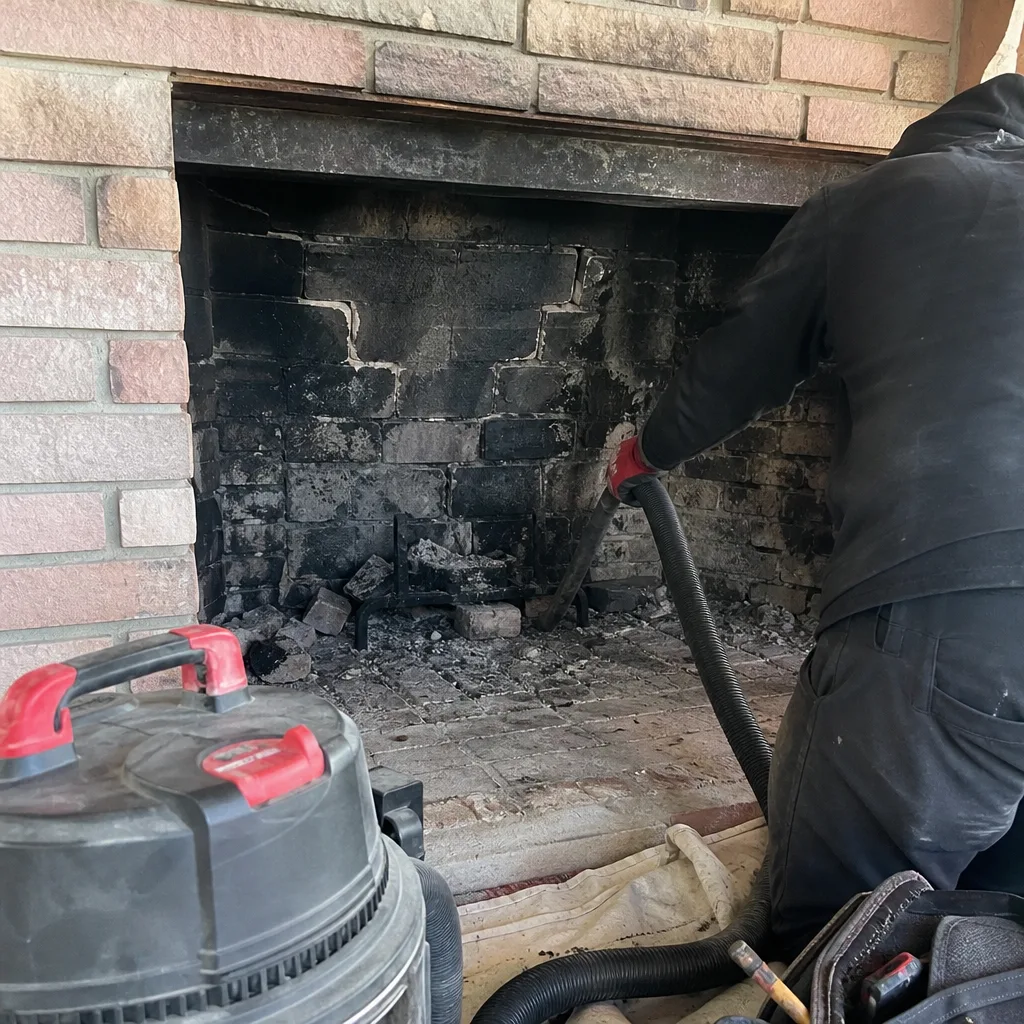 Before
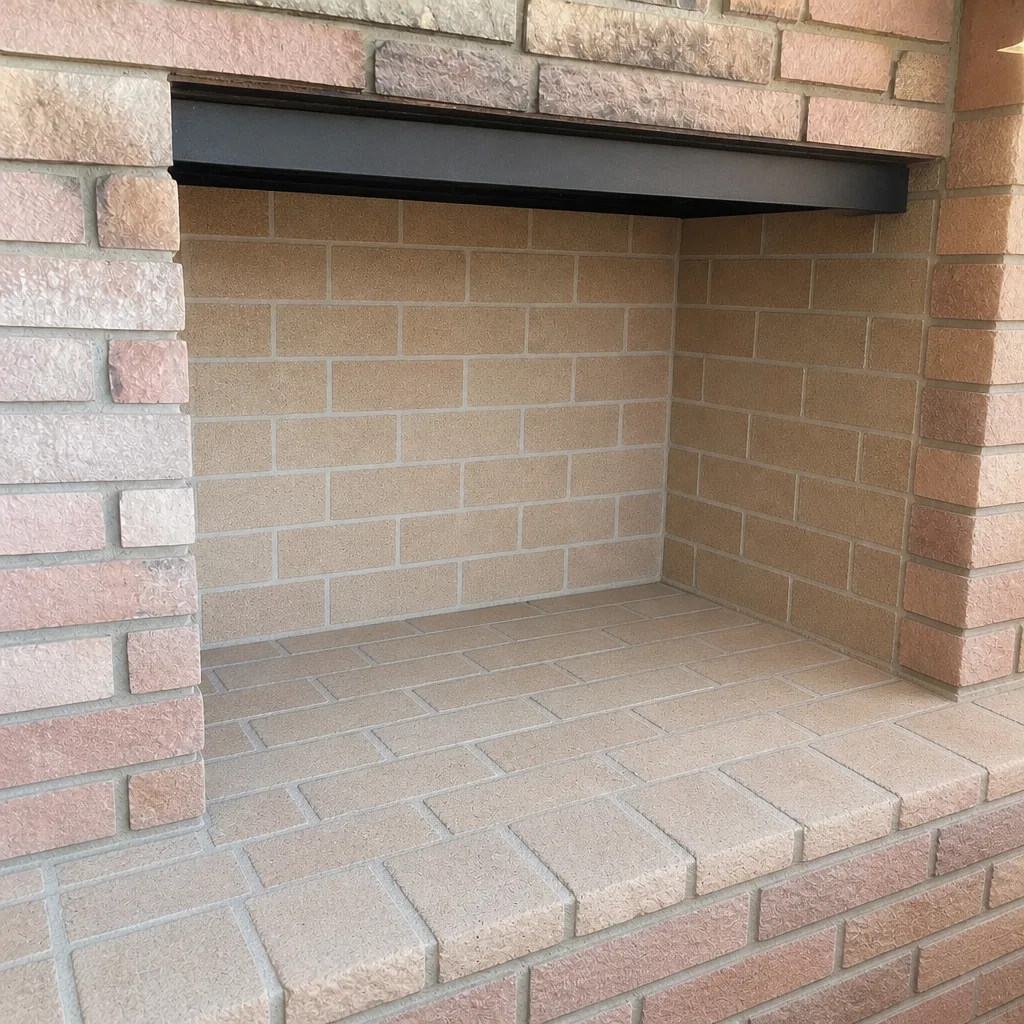 After
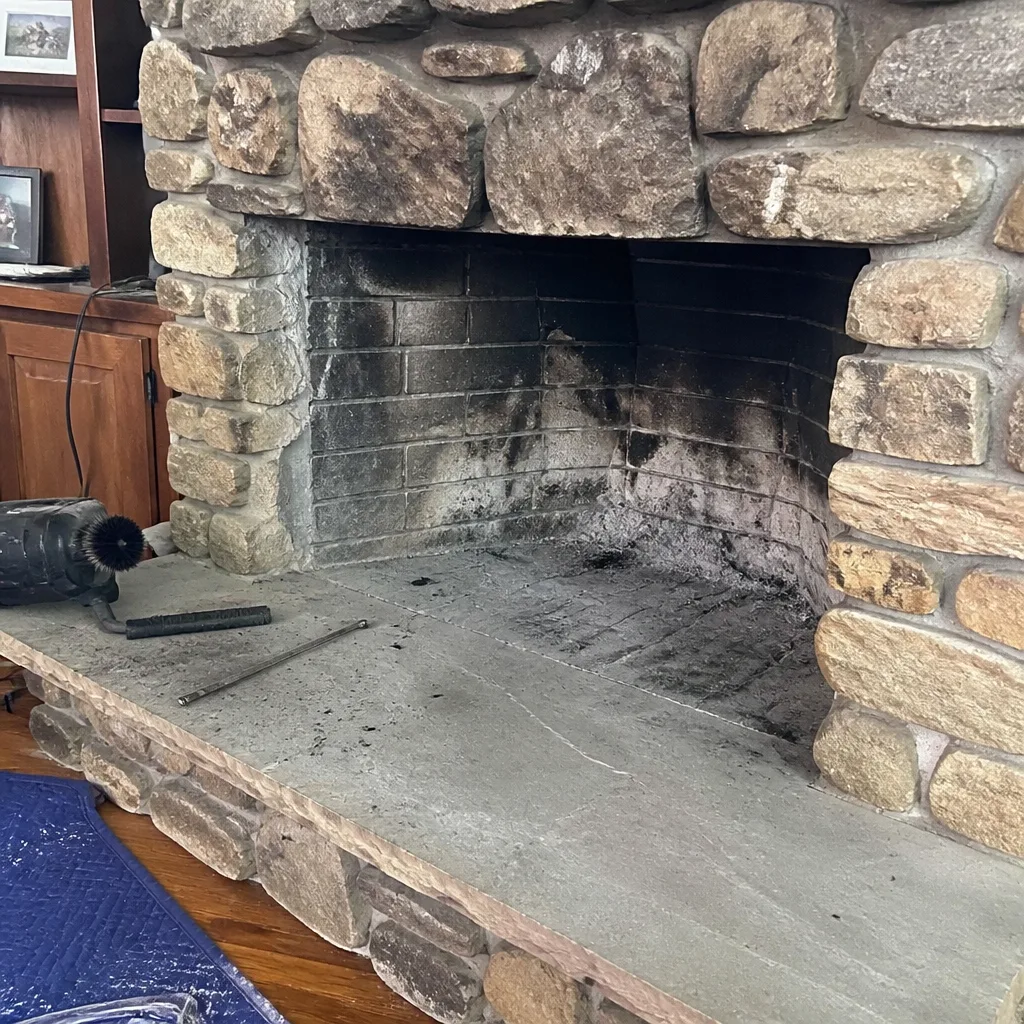 Before
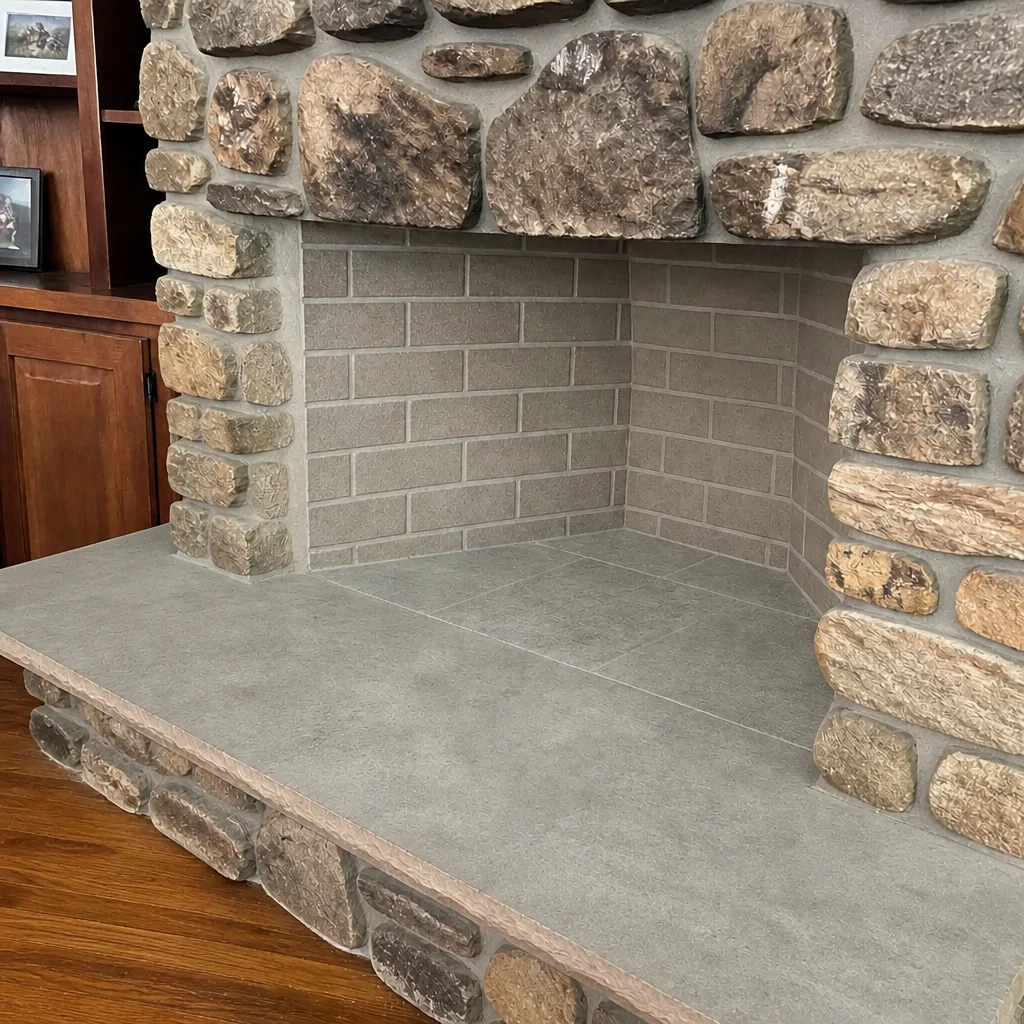 After
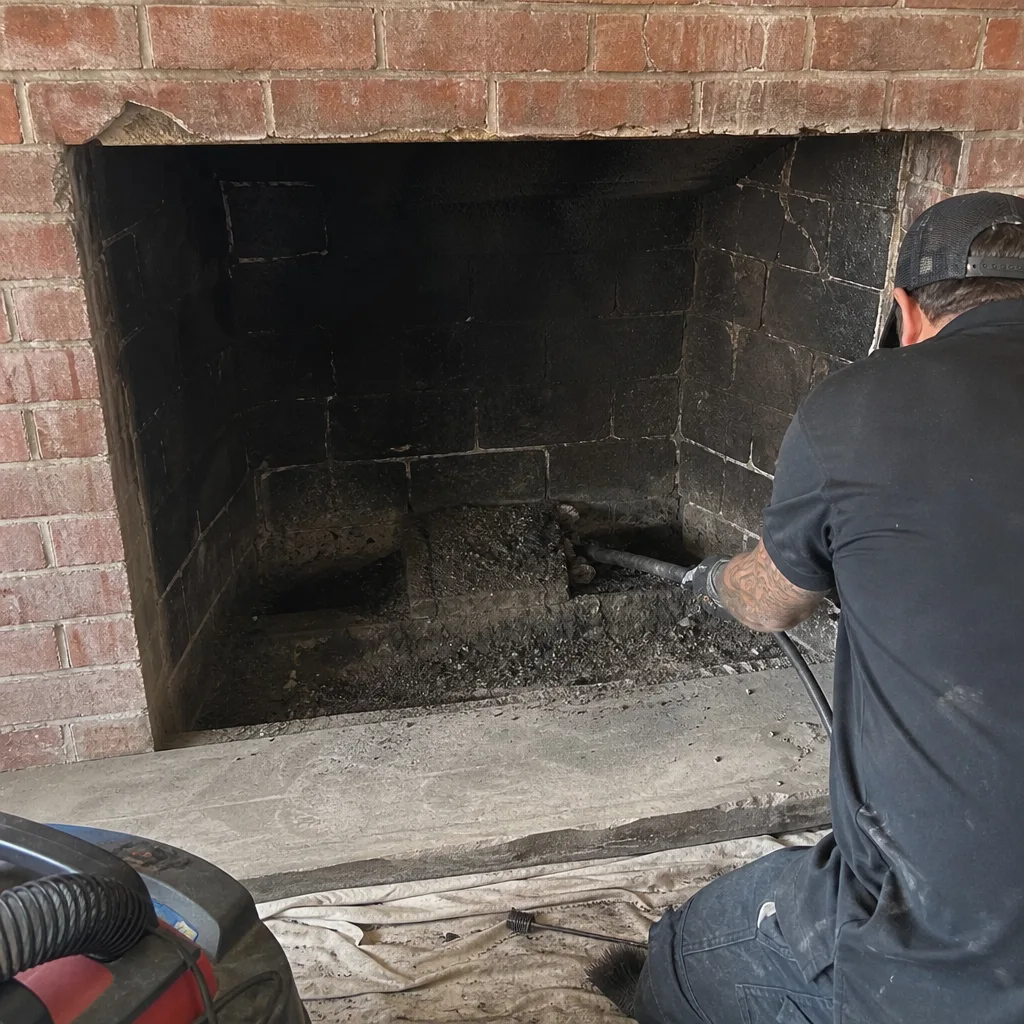 Before
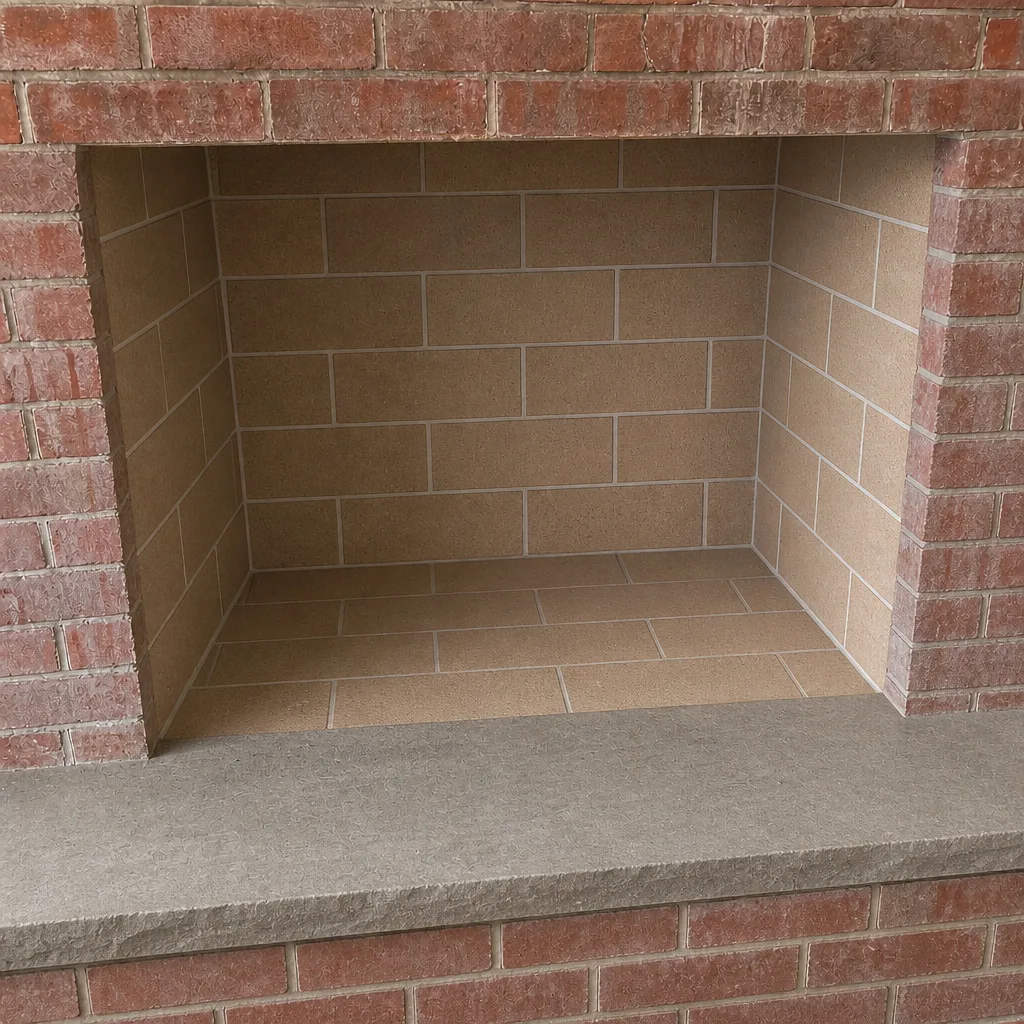 After
When to Call a Professional
Some of this checklist is a flashlight and a pair of binoculars. These aren’t: any visible damage to the liner, any crack in the crown that runs to the edge, any sign of water intrusion around the chimney, any chimney fire regardless of how small, any change in draft or backdrafting, any stove or insert installation, and any home inspection flag. If you’re on the fence, call and describe what you’re seeing. We’ll tell you whether it’s a visual-check situation or a professional one. Lehi Chimney Sweep offers free estimates in Lehi – call (877) 820-9718. We answer 24/7. Fast dispatch from 7am to 7pm, Sunday through Friday. Our technicians have up to 12 years of experience, and every appointment includes a photo report you can add to your log.
Frequently Asked Questions
Once per burn season if you burn wood regularly, which in Lehi means roughly one sweep a year. If you burn occasionally, once every other year with an annual visual check is usually fine. If you burn green or unseasoned wood, sweep more often and inspect the flue at least annually. Call (877) 820-9718 for an exact quote – estimates are free.
Chimney sweep pricing in the Lehi area depends on the appliance, the flue configuration, and whether a camera inspection is included. We price per job and give you a written estimate before booking, so there’s no surprise at the door. Call (877) 820-9718 for an exact quote – estimates are free.
Only when the existing liner is cracked, displaced, or missing joints – which a camera inspection will show or rule out. Many liners that look bad from the top are fine end to end, and many that look fine from the top are cracked below. Nothing is recommended without camera evidence you can see yourself, and we’ll tell you plainly when a liner can safely wait. Call (877) 820-9718 to schedule an inspection.
Creosote builds up in the flue and hardens, draft gets weaker, and the risk of a chimney fire rises with the accumulation. On a pre-2000 Lehi chimney, unaddressed crown cracks also let water into the masonry, and freeze-thaw opens them wider each winter. Skipping one year is usually recoverable; skipping several is where repairs get expensive. Call (877) 820-9718 for an inspection before the season starts.
No. A home inspector looks at the chimney as one item on a checklist; a chimney inspection looks at the liner, smoke chamber, damper, cap, crown, and firebox in detail. A home inspector’s “chimney appears serviceable” note is not a chimney inspection, and most buyers’ agents will ask for the real thing. We offer inspection as a standalone service so you can get an honest condition report at any point, whether you’re buying, selling, or just want to know where your chimney stands. Call (877) 820-9718.
Yes, within limits. From the ground with binoculars, you can check the cap, crown, and flashing. From the hearth side, you can check the damper and the visible firebox brickwork. Anything on the roof or inside the flue needs a professional. If you’re not sure which side a task falls on, call and describe it. Call (877) 820-9718.
The Bottom Line
A Lehi chimney’s maintenance schedule isn’t a single appointment on the calendar. It’s an annual sweep plus a visual checklist you can do from the ground, plus a set of event triggers – chimney fires, storms, extended non-use, fuel changes, home inspections – that reset the clock. The components that fail first here are the cap and crown, driven by freeze-thaw cycling that hits pre-2000 mortar joints hardest. The component that decides whether your house is safe to burn in is the liner, and only a camera inspection can verify it. Log what you do, in a format a buyer or an insurer can actually use. And when the checklist crosses over from “observe” to “repair,” call us. From routine sweeping through crown, cap, liner, and masonry repair, we handle the whole chimney with professional-grade materials from Lehi Chimney Sweep, and a written estimate starts every job.
Call (877) 820-9718 for a free estimate. We answer 24/7. Fast dispatch from 7am to 7pm, Sunday through Friday.
Written by the team at Lehi Chimney Sweep.