
Last updated November 24, 2026
 Sweep & inspection
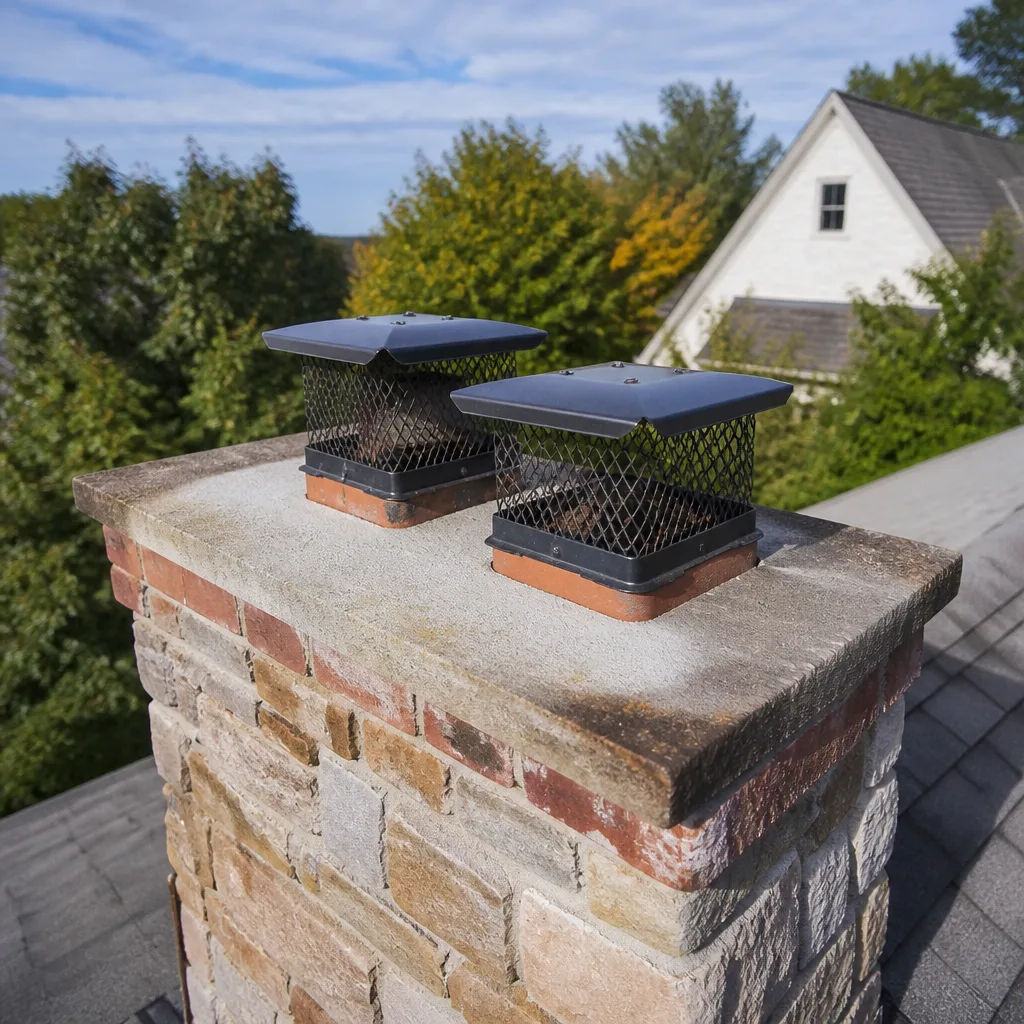
 Caps & crowns
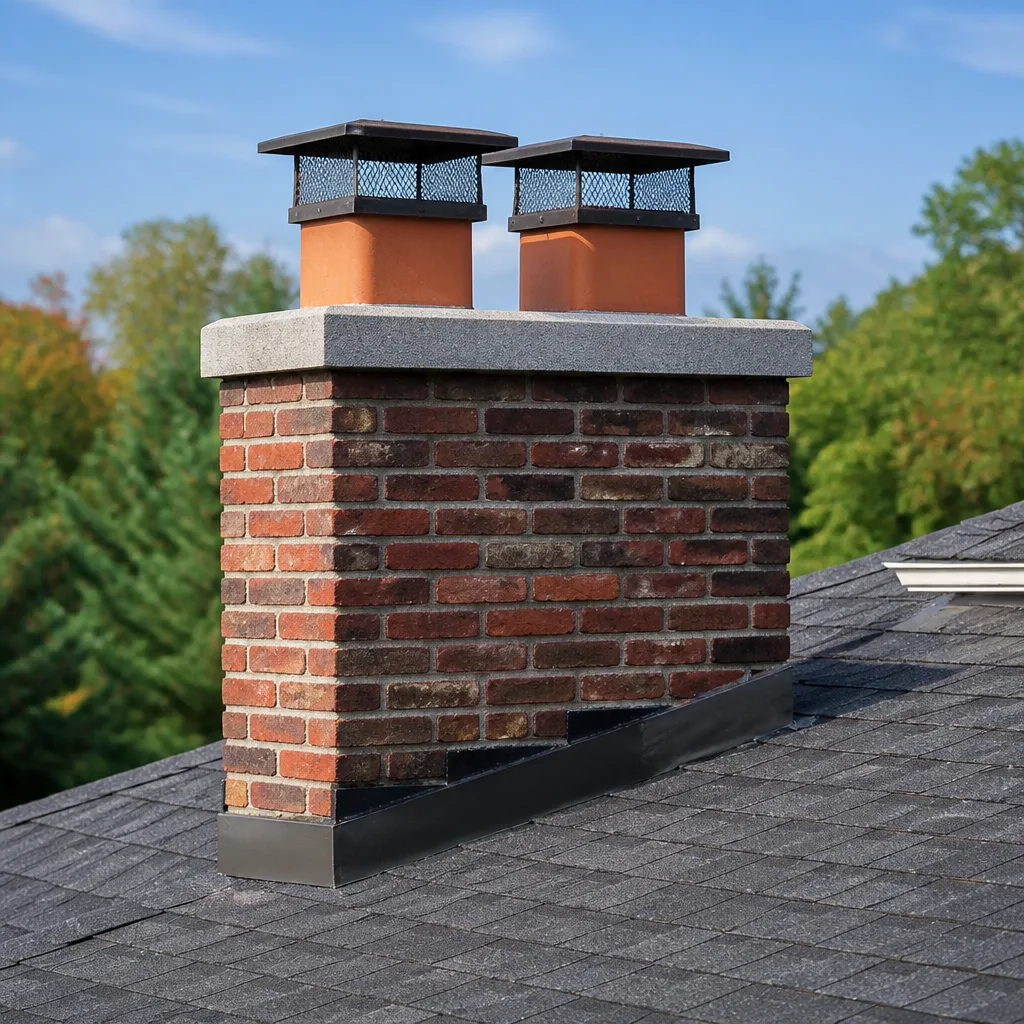
 Flue relining
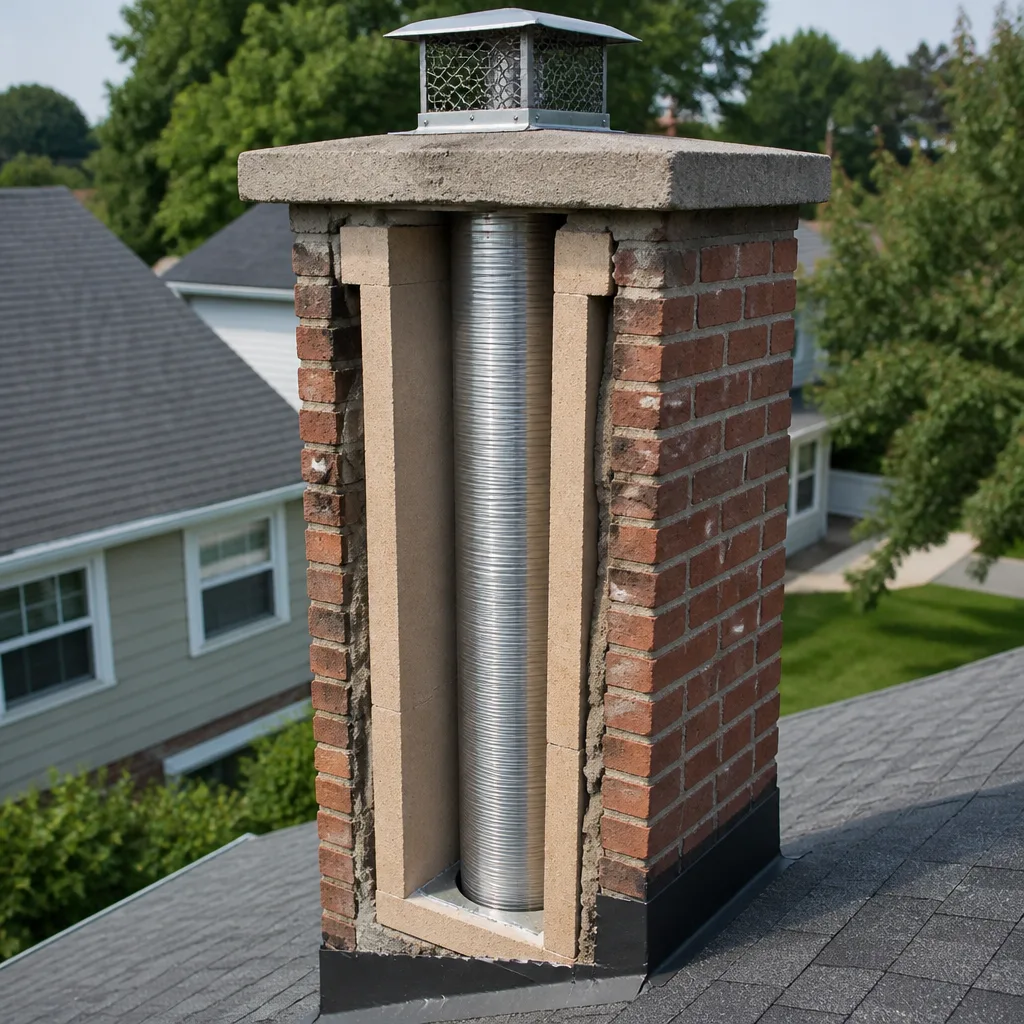
 Masonry repair
 Gas fireplace service
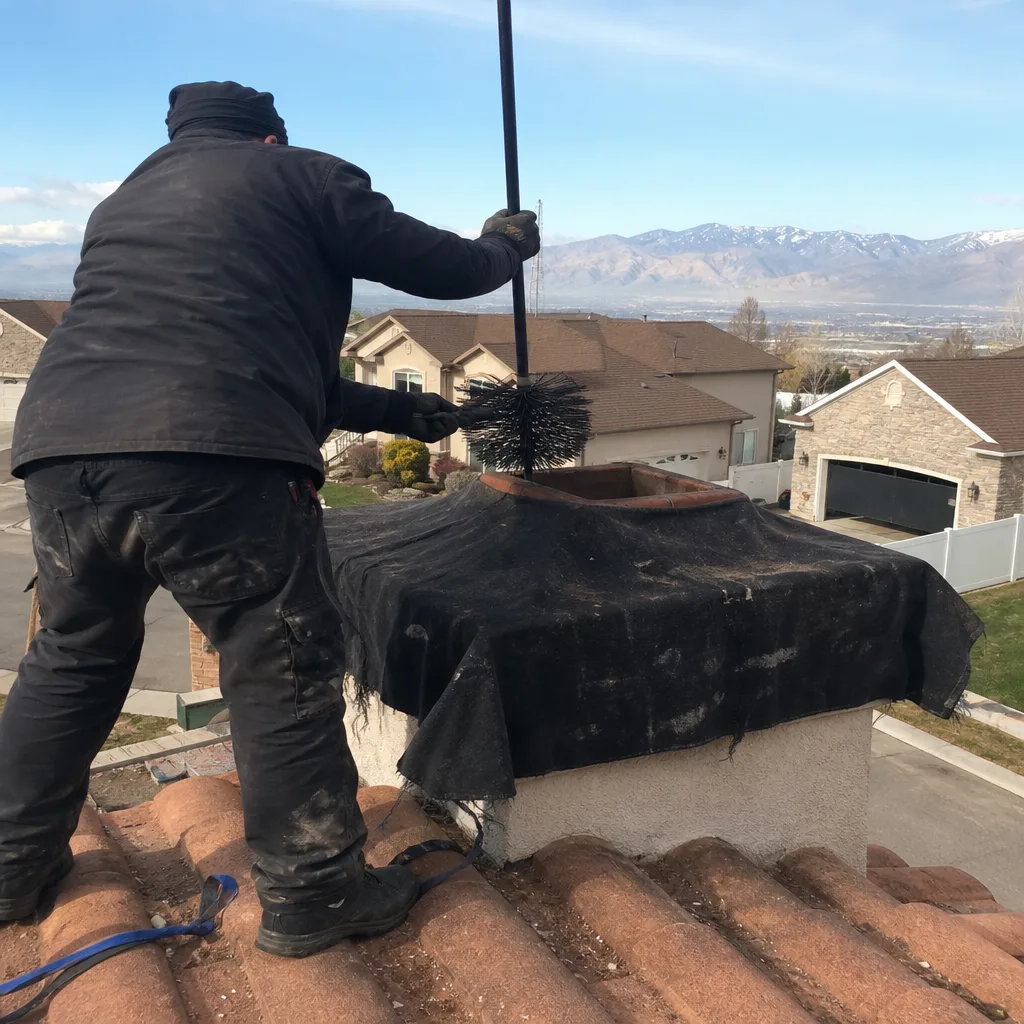
Level 1 sweep and inspection to the NFPA 211 annual standard - flue, crown, cap, and flashing checked and photographed
Chimney sweep logs do not sweep chimneys. They loosen some creosote - which then falls where a brush and vacuum still have to collect it.
Chimney Cleaning Emergency Preparedness Guide for Lehi Homes
A chimney fire doesn’t always announce itself with a roar. Slow-burning chimney fires can smolder for hours at temperatures above 2,000°F with no visible flame and no audible crackling, quietly damaging the liner while the homeowner assumes the fire in the firebox is behaving normally. That gap between what’s happening inside the flue and what you can see from the living room is exactly why preparation matters more than reaction. This guide walks Lehi homeowners through how to recognize a chimney emergency, the response sequence to follow if one starts, and how to set up your home before burn season so you’re never figuring it out in the moment.
Quick Answer
If you suspect a chimney fire, call 911 first, get everyone out of the house, and only then call a chimney professional for a post-event inspection. For carbon monoxide alarms with no fire symptoms, evacuate and call 911, then arrange a sweep. The real emergency preparedness step is pre-season: a current sweep, a Level 2 inspection, working CO detectors, and a chimney fire suppressant on hand before the first cold night in Lehi.
Styles & brands we work with
- Sweep & inspection
- Caps & crowns
- Flue relining
- Masonry repair
- Gas fireplace service
Table of Contents
- How to Recognize a Chimney Fire in Progress
- The First Five Minutes: Correct Response Sequence
- Carbon Monoxide Risk in Chimney Systems: 911 vs. a Sweep
- What Post-Event Inspection Means and Why It Isn’t Optional
- Building a Pre-Season Emergency Kit for Your Lehi Home
- How Lehi’s Climate and Housing Shape Chimney Risk
- Blockages, Downdrafts, and the Emergencies That Aren’t Fires
- Prevention Schedule: What Gets Checked and When
How to Recognize a Chimney Fire in Progress
Most homeowners picture a chimney fire as flames shooting from the top of the chimney. Sometimes that happens. More often, the signs are quieter, and the difference between a fast-burning fire and a slow-burning one is whether you notice them at all. A fast-burning chimney fire often produces a loud roaring sound like a freight train or a low-flying plane, and you may see thick black smoke or a visible glow at the chimney top. A slow-burning fire may produce almost none of that.
Here’s what to watch and listen for, at the firebox and at the chimney:
- Sound: A rumbling, roaring, or crackling that’s louder than normal combustion, or a low whistling at the flue. A slow fire can also produce a dull, persistent hum you might mistake for wind.
- Smell: A hot, acrid, almost metallic smell in the room. Creosote burning has a distinct sharpness that doesn’t smell like wood smoke.
- Visual cues at the firebox: Flames that suddenly change color or intensity, or a fire that seems to feed itself no matter how you adjust the damper.
- Visual cues at the chimney top: Dense smoke, sparks, or a glow visible from outside. Brown or black staining on the exterior masonry near the top can indicate an earlier event you didn’t catch.
- Puffy, honeycombed creosote: If you’ve had the flue swept and the technician describes this texture, you’ve had a chimney fire at some point, whether you knew it or not.
In our experience across Lehi, the slow-burning variety is the one that catches people off guard, because the fire in the firebox often looks completely normal. If you have any doubt, treat it as real.
The First Five Minutes: Correct Response Sequence
In order, this is what to do the moment you suspect a chimney fire:
- Get everyone out of the house. No gathering belongings, no checking the attic. Everyone to a safe distance outside.
- Call 911. Do this from outside or from a neighbor’s phone. Fire crews need to confirm the fire hasn’t spread to the structure, and they have tools to check the attic and roof.
- If you’re still inside and it’s safe, close the glass doors or firebox door and shut the damper. Cutting the air supply starves a chimney fire. Never do this if it means delaying your exit.
- Don’t spray water into the firebox. Water on a fire that hot can crack masonry or the liner and cause more damage than the fire itself.
- Wait for the fire department’s all-clear before re-entering. A chimney fire can spread into framing without visible evidence from the ground.
- Call a chimney professional for a post-event inspection once the fire department clears the scene. This call is separate from the 911 call, and it isn’t optional.
Two things worth saying plainly. First, keep a chimney fire suppressant stick or powder near the fireplace, and know how to use it before you need it. Second, if you ever have to decide between staying to fight a fire and leaving, leave. The fireplace is replaceable. The house isn’t always.
Carbon Monoxide Risk in Chimney Systems: 911 vs. a Sweep
Carbon monoxide is the emergency most homeowners don’t associate with their fireplace. A blocked or cracked flue, a failed liner, or a closed damper can push CO back into the living space. The gas is colorless and odorless, so a working CO detector is your only real warning.
The right call depends on what you’re seeing and feeling:
- CO detector sounds and anyone has symptoms (headache, dizziness, nausea, confusion, drowsiness): Get everyone out and call 911. Do not stop to open windows or investigate the source. This is a medical emergency first.
- CO detector sounds, no symptoms, everyone feels fine: Evacuate anyway. Call 911 or your gas utility’s emergency line. The fire department can confirm levels and tell you when it’s safe to return.
- You notice backdraft, a persistent smoky smell, or a fire that won’t draw properly but no alarm and no symptoms: This is a chimney call, not a 911 call. It means your flue is restricted or drafting wrong, and it needs a sweep and inspection before you burn again.
The order matters because 911 handles the medical and structural side; a sweep handles the cause. Reversing them wastes the minutes that matter most if CO levels are actually elevated. Call (877) 820-9718 for the chimney side of that sequence. We answer 24/7. Fast dispatch from 7am to 7pm, Sunday through Friday.
What Post-Event Inspection Means and Why It Isn’t Optional
A post-event inspection is a Level 2 inspection after a suspected or confirmed chimney fire. It looks at the entire flue from the firebox to the crown, including the liner, the masonry joints, the smoke chamber, and the exterior. The point isn’t to confirm what you already know; it’s to find damage you can’t see.
Chimney fires damage liners in ways that don’t always show from the ground. A clay tile can spall (flake) on its inner face while looking intact from outside. A stainless liner can warp or separate at a joint. The firebox mortar can crack from heat shock. Using the fireplace again before a Level 2 inspection creates real liability: you’re burning into a flue whose condition is unknown, and if a second fire spreads to framing or pushes CO into the house, that’s on the homeowner, not the fire department.
If the inspection finds damage, the repair scope depends on what’s affected. A cracked firebox is often a candidate for a restoration system like HeatShield, which rebuilds the firebox and smoke chamber surfaces without demolition. A damaged or separated clay liner is commonly relined with a DuraFlex flexible flue liner, which is designed for this exact job. Both are professional-grade materials, properly installed, and both are a different category of work than patching. Built to last, not patched to pass.
Building a Pre-Season Emergency Kit for Your Lehi Home
The time to put together your emergency kit is before the first cold night in Lehi, not after. Here’s what goes in it:
- Two working CO detectors. One near the bedrooms, one on the main floor. Test them the same day you build the kit, and write the replacement date on the back in marker.
- Chimney fire suppressant. A suppressant stick or powder, stored within arm’s reach of the fireplace. Read the instructions once when you buy it. You won’t read them well during a fire.
- A physical fire extinguisher rated for wood and paper fires. Mounted on the wall a few steps back from the hearth, not tucked in a closet.
- A printed card with three numbers: 911, the fire department’s non-emergency line, and (877) 820-9718 for chimney service. Printed, not just saved in your phone.
- A flashlight and spare batteries. Smoke and fire knock out lighting fast.
- Your most recent sweep and inspection report, kept in a folder or photographed on your phone. It’s the baseline a post-event inspection is measured against.
Put it together in one afternoon. Have the whole household walk through the plan once: where the detectors are, where the extinguisher is, and where you meet outside.
How Lehi’s Climate and Housing Shape Chimney Risk
Lehi’s winters bring weeks of hard freezes and long stretches where the fireplace runs daily. That pattern matters more than most homeowners realize. A fire that burns hot every evening for months builds creosote differently than a weekend fire in a milder climate; the flue cycles through heating and cooling, and any moisture that condenses on the walls of the flue glazes the creosote into a hard, highly flammable layer that a routine sweeping brush handles less effectively.
Lehi’s newer construction adds a second layer. Homes built in the last couple of decades often have tighter envelopes and more efficient appliances, which changes how much air a fireplace pulls and how reliably the flue drafts. Tight house, weak draft, more backdraft risk, more CO potential. None of that makes the fireplace unsafe on its own, but it does mean the chimney needs a proper inspection at least annually and a sweep whenever the creosote layer is significant.
If you’re in a neighborhood like Traverse Mountain, where the wind can be stiff and the cold is real, or anywhere along the east bench where the temperature swings between day and night are broad, expect your chimney to work harder and get checked more often. This is what we mean when we say inspection matters more than most homeowners realize. Your chimney inspected on its own terms, with a real report, not a courtesy glance.
Blockages, Downdrafts, and the Emergencies That Aren’t Fires
Not every chimney emergency is a fire. A blocked flue will fill your house with smoke the moment you light a fire, and it can be dangerous if the blockage pushes CO into the room instead of up the stack. The common culprits in Lehi homes are nests (birds and squirrels are persistent), leaves and debris blown in through an uncapped chimney, and a damper that’s stuck closed or broken.
Here’s how to tell the difference between a fire and a blockage:
- Fire: roaring or crackling sound, hot acrid smell, visible smoke from the chimney top, possible soot or glow.
- Blockage: smoke rolling back into the room immediately, a fire that won’t stay lit, weak draft even with the damper open, or the smell of animals or debris when you open the firebox.
Downdrafts are a separate category. On windy days, especially in the afternoon when Lehi’s canyon winds pick up, a cold flue can push air down into the house until you warm it up. Pre-warming the flue with a rolled newspaper torch is a normal habit, but if you’re doing it every single time you light a fire, your draft is telling you something: check the flue. A cap from Gelco or Famco prevents most of the blockages we see, and the cap is a lot cheaper than the emergency call.
Prevention Schedule: What Gets Checked and When
A chimney emergency is easier to prevent than to survive. This is the schedule we recommend for Lehi homes with wood-burning fireplaces:
- Annual sweep and Level 1 inspection, typically in early fall before the first burn. Even if you only burn a cord or two per season, the sweep clears the creosote and the inspection catches wear before it becomes a repair.
- Level 2 inspection after any event, including a suspected chimney fire, a CO alarm, a notable storm that damaged the cap or crown, or a home purchase. This is the inspection that goes beyond what a camera from the top and a flashlight from the bottom can see. It’s the one you want when there’s actually a question about liner condition.
- Cap and crown check every fall, alongside the sweep. A cracked crown or a loose cap lets water into the masonry, and repeated freeze-thaw cycles in Lehi’s winters will turn a small crack into a real repair.
- Every three to five years, or whenever a new occupant moves in, consider a standalone inspection independent of a sweep. Inspection isn’t only for buyers. It’s a condition report on your own chimney, and it’s the best evidence you’ll have if something changes later.
For the routine work, book a chimney sweep before burn season. If a repair comes out of the inspection, we handle the full scope: fireplace repair, chimney repair, cap and crown installation, and lining. From the firebox to the crown, one call, one set of eyes on the whole system.
Common Mistakes to Avoid
- Thinking a slow-burning chimney fire will announce itself. It won’t. If you’ve had creosote build up in the flue, you may have already had one without knowing. Have the flue inspected before you assume it’s clean.
- Calling a sweep before calling 911 during a live fire. The fire department has to confirm the fire hasn’t spread to structure. A sweep can’t do that job. Get the fire department first, then the inspection.
- Using the fireplace again after a suspected fire before a Level 2 inspection. This is the single biggest mistake we see, and it’s also the one with the clearest liability. The flue looks fine from the ground. It’s what’s inside the liner that matters.
- Skipping the cap. In Lehi, an uncapped chimney is an invitation to birds, squirrels, and leaves. A cap from Gelco or Famco is purpose-built for weatherproofing and venting. An improvised hardware-store cover usually isn’t.
- Relying on one CO detector in a central hallway. Put one near the bedrooms. CO exposure happens most often while people sleep.
- Burning unseasoned wood because it’s available. Wet wood produces more smoke and more creosote. It’s the fastest way to load up a flue that’s already been swept this season.
- Treating a home inspection flag as a minor note. If a buyer’s inspector flagged the chimney, that’s not a box to check off; it’s a signal to have a standalone inspection done so you know what you’re buying and what the repair scope actually is.
See the difference
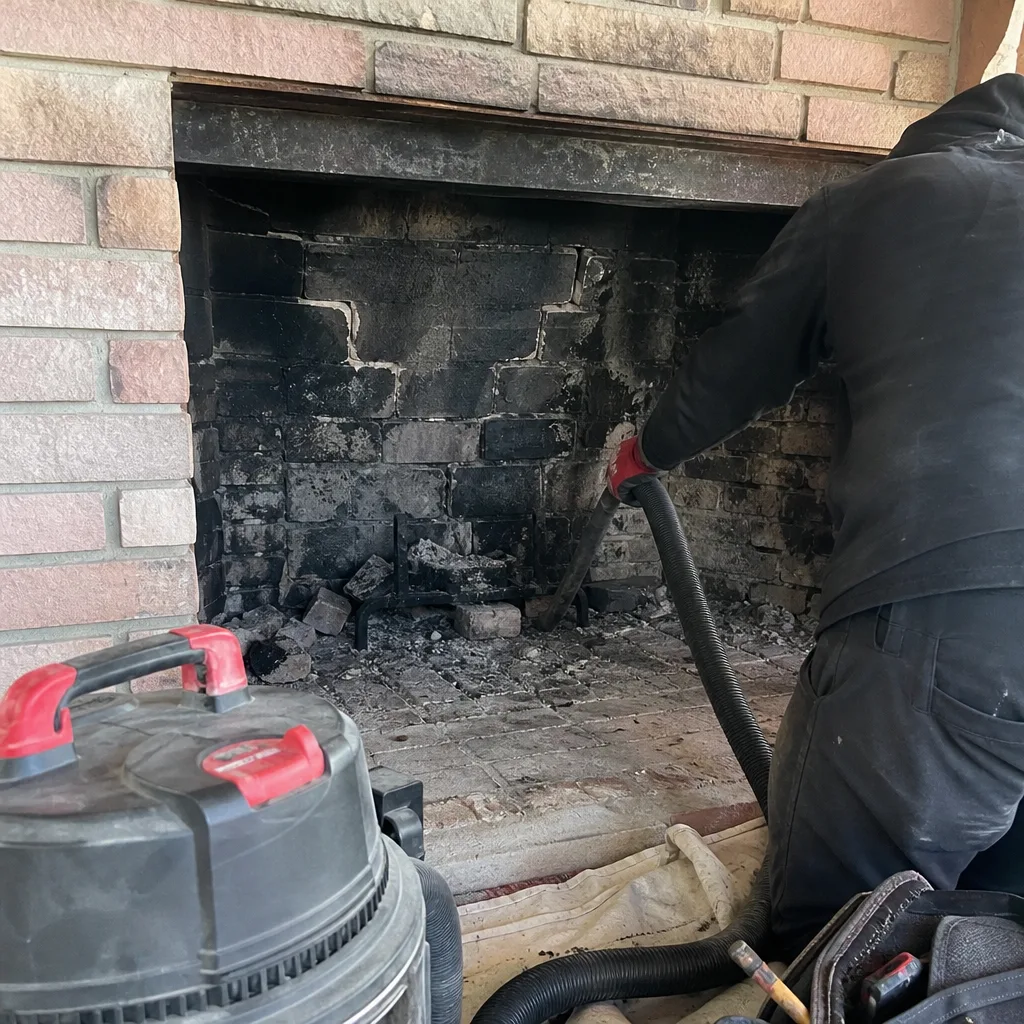 Before
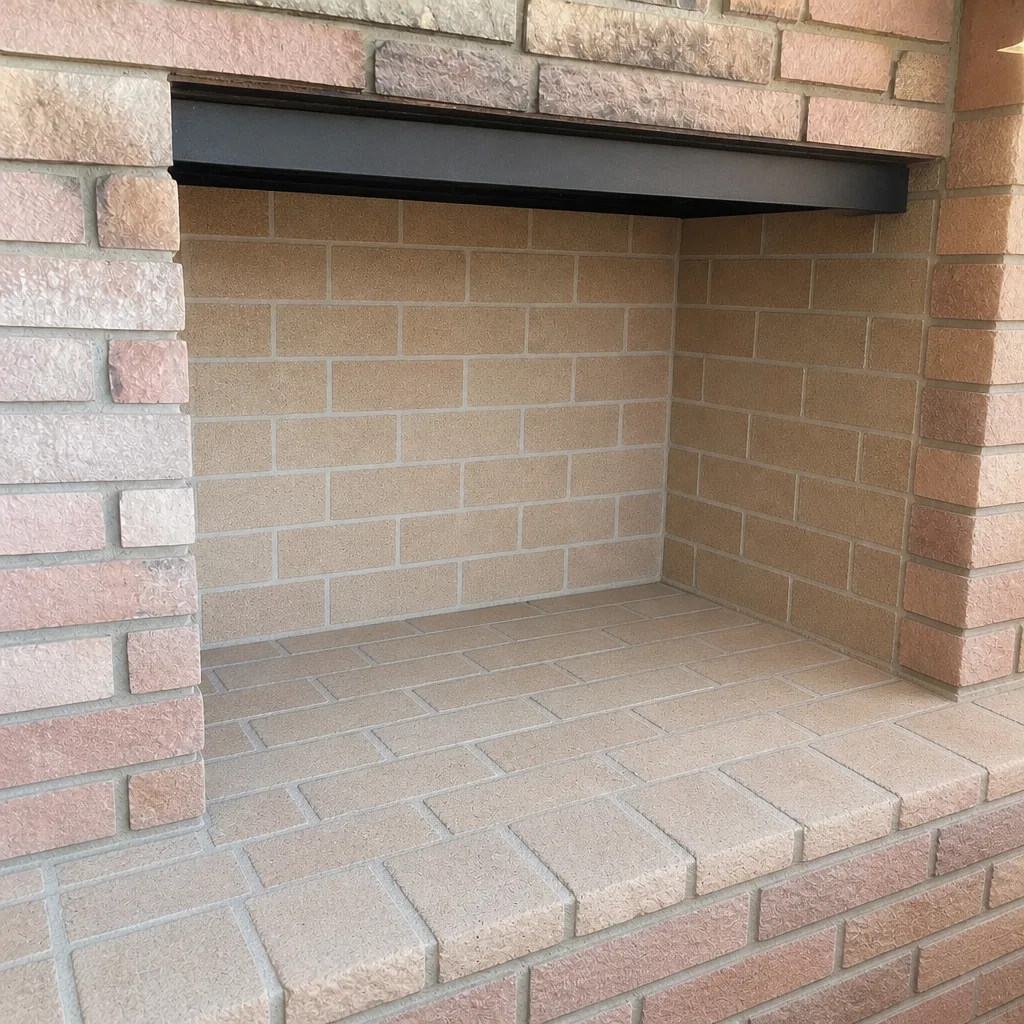 After
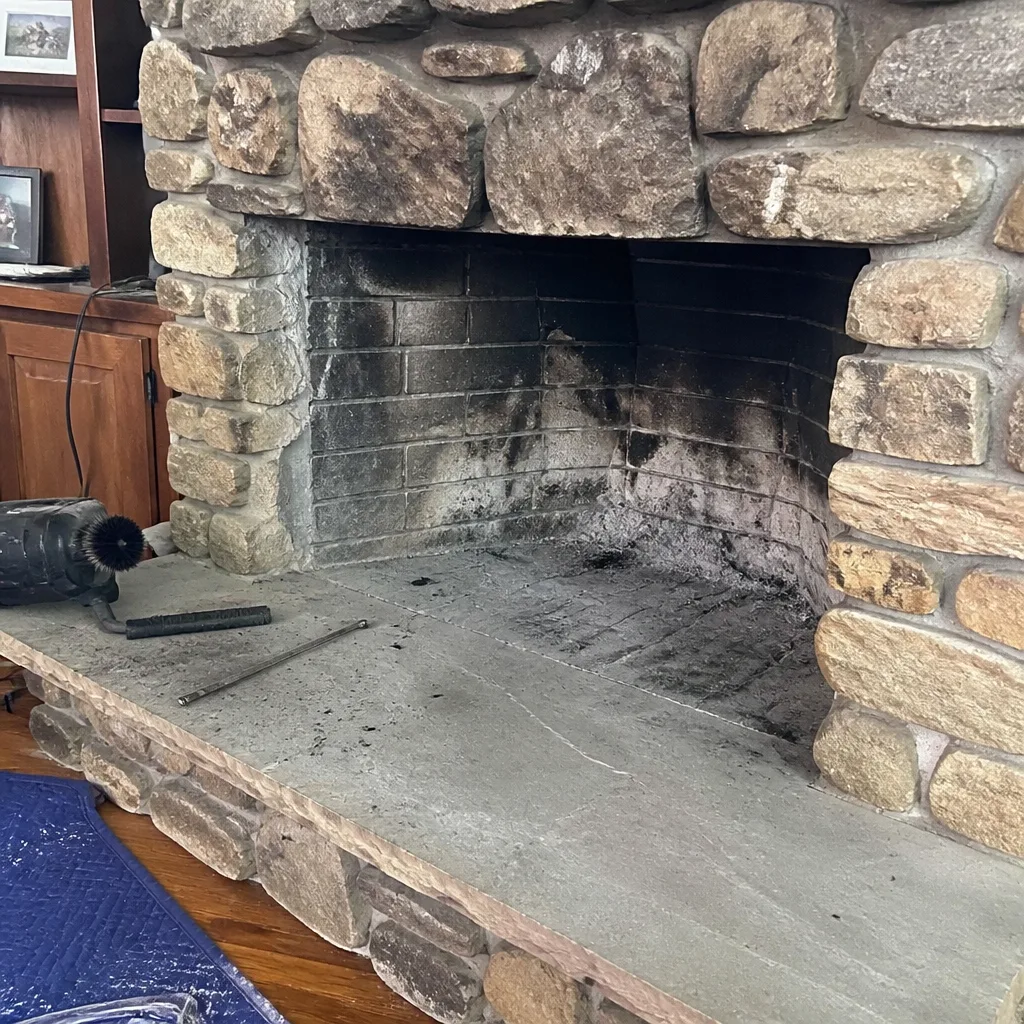 Before
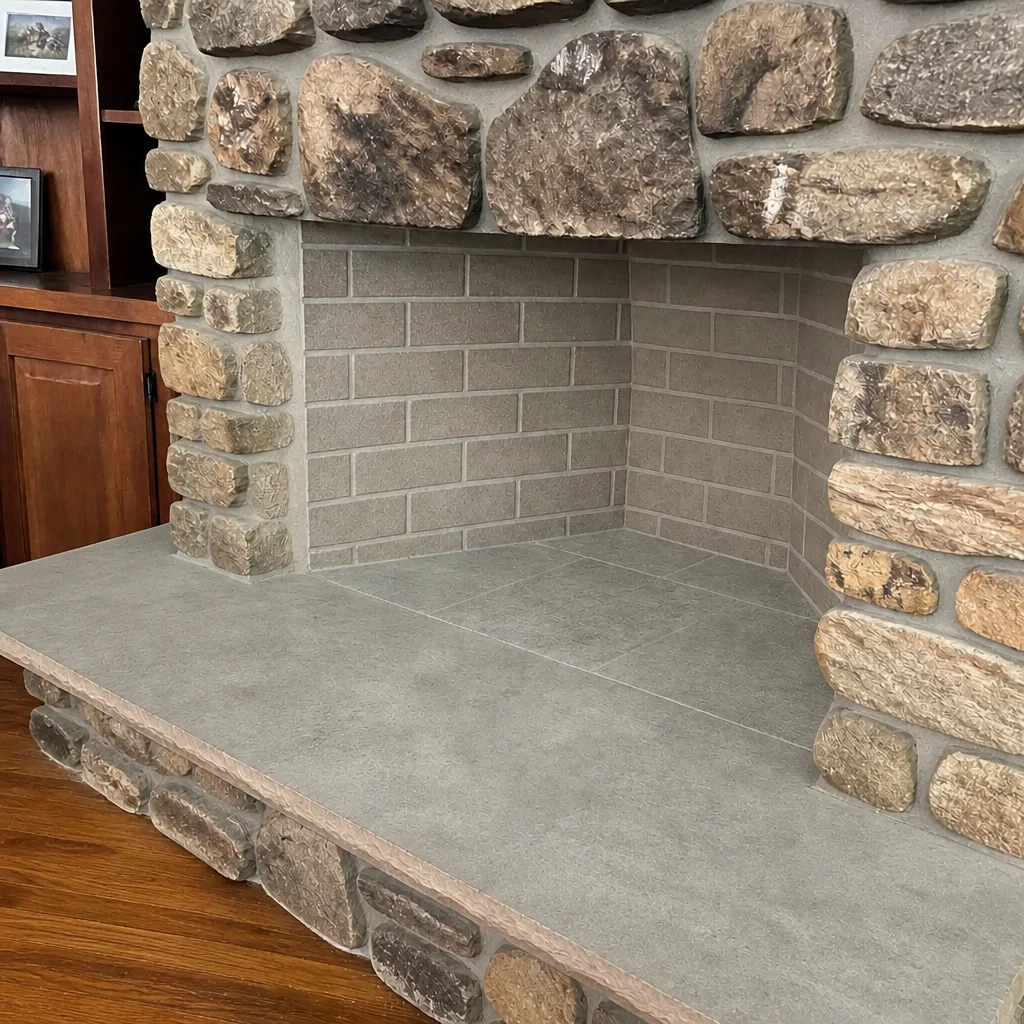 After
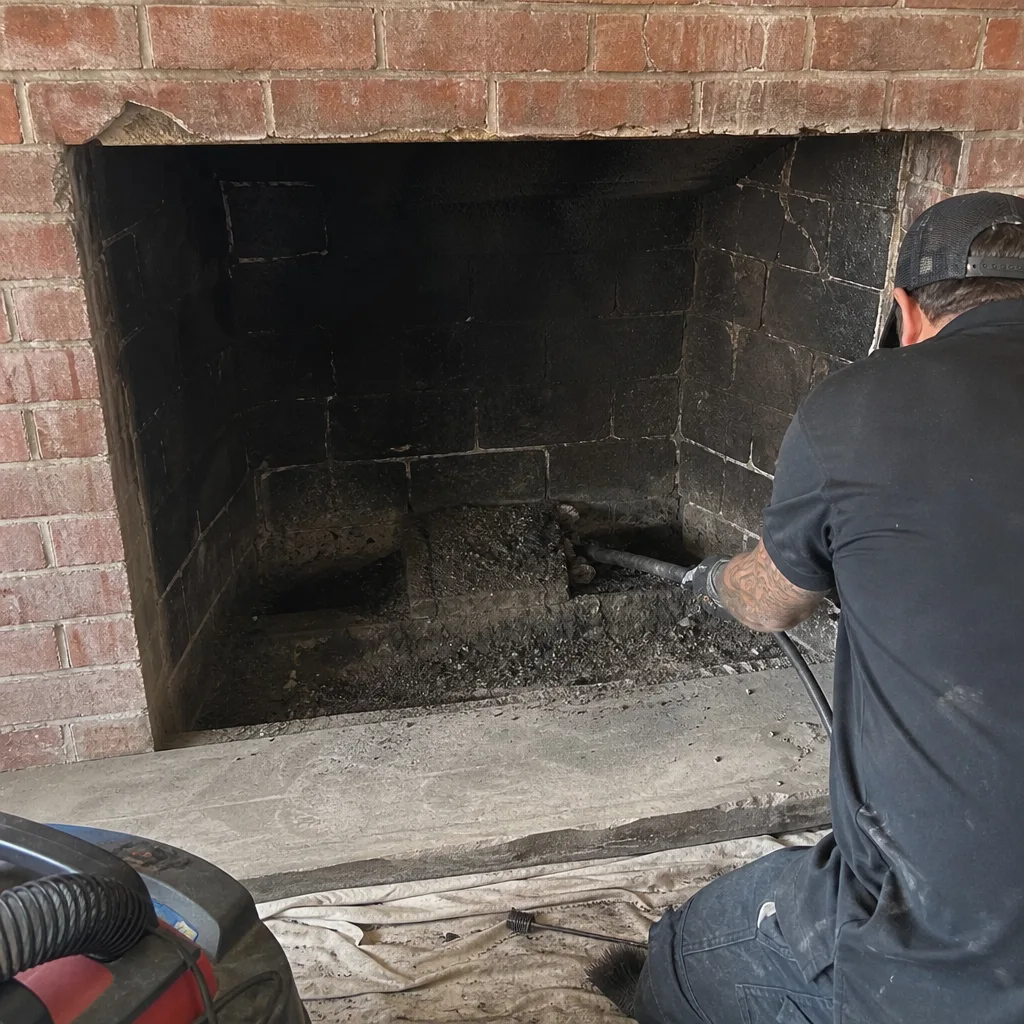 Before
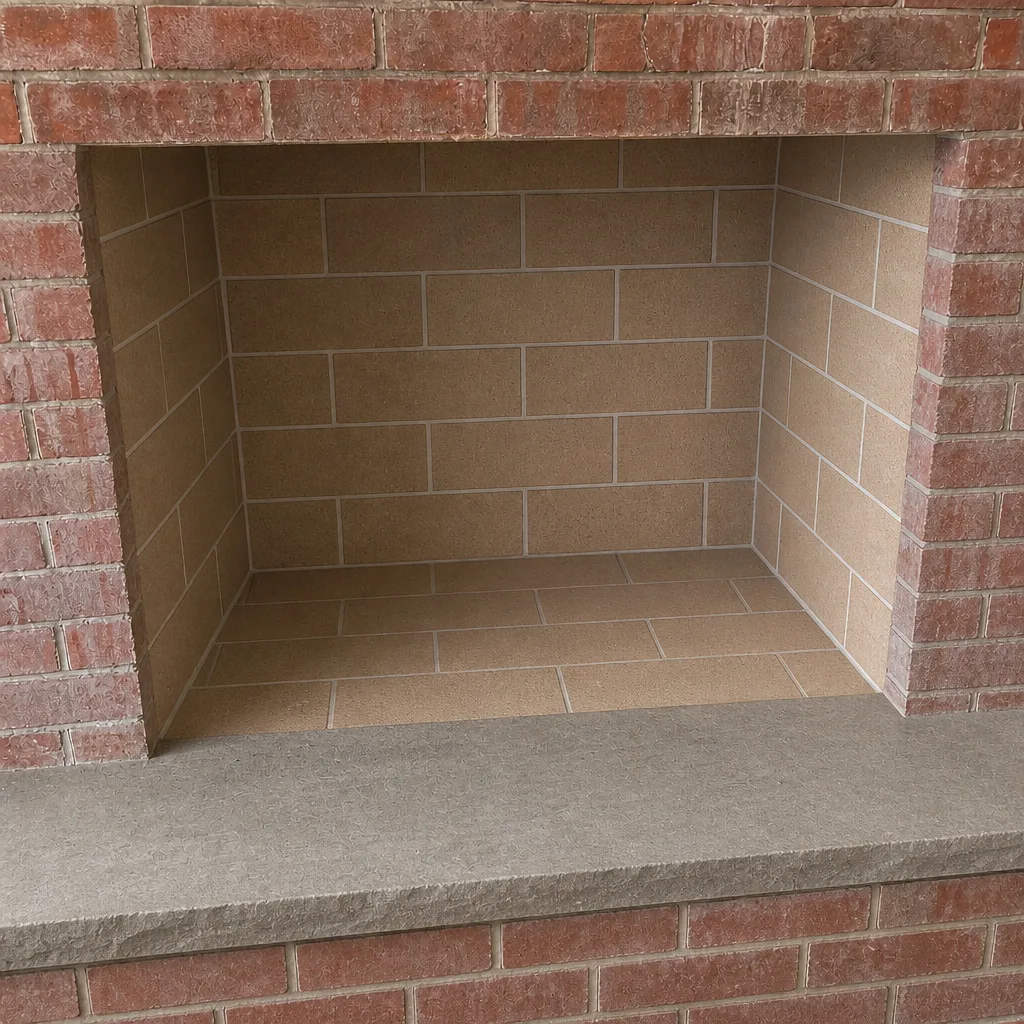 After
When to Call a Professional
Call us when you suspect a chimney fire has occurred, when your CO detector has gone off and the fire department has cleared the house, when a sudden blockage has filled the room with smoke, or when a home inspector has flagged the chimney. Call us also for the routine work: an annual sweep, a standalone Level 2 inspection, a cap or crown replacement, or a HeatShield firebox restoration. If you’re not sure whether the situation needs an emergency call or a scheduled visit, call and describe what you’re seeing; we’ll tell you which is which. Lehi Chimney Sweep offers free estimates in Lehi. Call (877) 820-9718. We answer 24/7. Fast dispatch from 7am to 7pm, Sunday through Friday. For general information and the rest of our service menu, see Lehi Chimney Sweep.
Frequently Asked Questions
You may not know at the time. Fast-burning chimney fires often produce a roaring sound and visible smoke or glow at the chimney top, but slow-burning fires can smolder for hours above 2,000°F with no visible flame. The clearest evidence afterward is “puffy” or honeycombed creosote in the flue, or damage the sweep finds during a Level 2 inspection. If you have any doubt, have the flue inspected before you use the fireplace again. Call (877) 820-9718 for a free estimate on the inspection.
Call 911 first if there is any sign of a live fire or a CO alarm with symptoms. The fire department confirms the fire hasn’t spread into framing, and a sweep cannot do that. Once the scene is clear, call a chimney professional for a post-event Level 2 inspection. For an active chimney fire, the sequence is: everyone out, 911 from outside, then the inspection call. Call (877) 820-9718 for the chimney side of that sequence.
Once a year for most homes, and more often if you burn heavily through the winter. Lehi fireplaces run hard from November through February, and the daily burn cycle builds glazed creosote faster than occasional use. The right answer is annual as a baseline, with the sweep checking creosote depth each time and telling you honestly if a shorter interval is needed. Call (877) 820-9718 to schedule before the first cold night.
No. The firebox looking intact tells you nothing about the liner, and the liner is where chimney fires do their damage. Using the fireplace before a Level 2 inspection means burning into a flue of unknown condition, and if the liner has failed, a second event becomes your problem. Wait for the inspection report. Call (877) 820-9718 for a free estimate on the Level 2 inspection.
Creosote accumulates in the flue. Regular burning without a sweep can push the layer into the glazed, highly flammable range, which raises chimney fire risk and makes the eventual sweep harder and more expensive. A slow-burning fire can then damage the liner without any visible sign from the living room. The sweep and inspection are also when we catch cap and crown wear before Lehi’s winter freeze-thaw cycles turn a small crack into a real repair. Call (877) 820-9718 for a free estimate.
Yes, for almost every chimney. An uncapped flue in Lehi invites birds, squirrels, and leaves, and any of those can cause the smoke-into-the-room emergency that looks like a fire but isn’t. A cap also protects the crown and masonry from rain and snow, which matters through Lehi’s freeze cycles. We install Gelco and Famco caps and crowns, purpose-built for the job. Call (877) 820-9718 for a free estimate on a cap install.
The Bottom Line
A chimney emergency is survivable and largely preventable, but only if you’ve installed the sequence before you need it. Slow-burning chimney fires don’t announce themselves; the flue can be damaged while the room looks normal. Call 911 first during a live fire or a symptomatic CO alarm, get the Level 2 inspection done after, and never light another fire until the inspection says it’s safe. The pre-season kit, the current sweep, and a competent pro on your contact list do more for your Lehi home than any after-the-fact repair. Call (877) 820-9718 for a free estimate. We answer 24/7. Fast dispatch from 7am to 7pm, Sunday through Friday.
Written by the team at Lehi Chimney Sweep.