
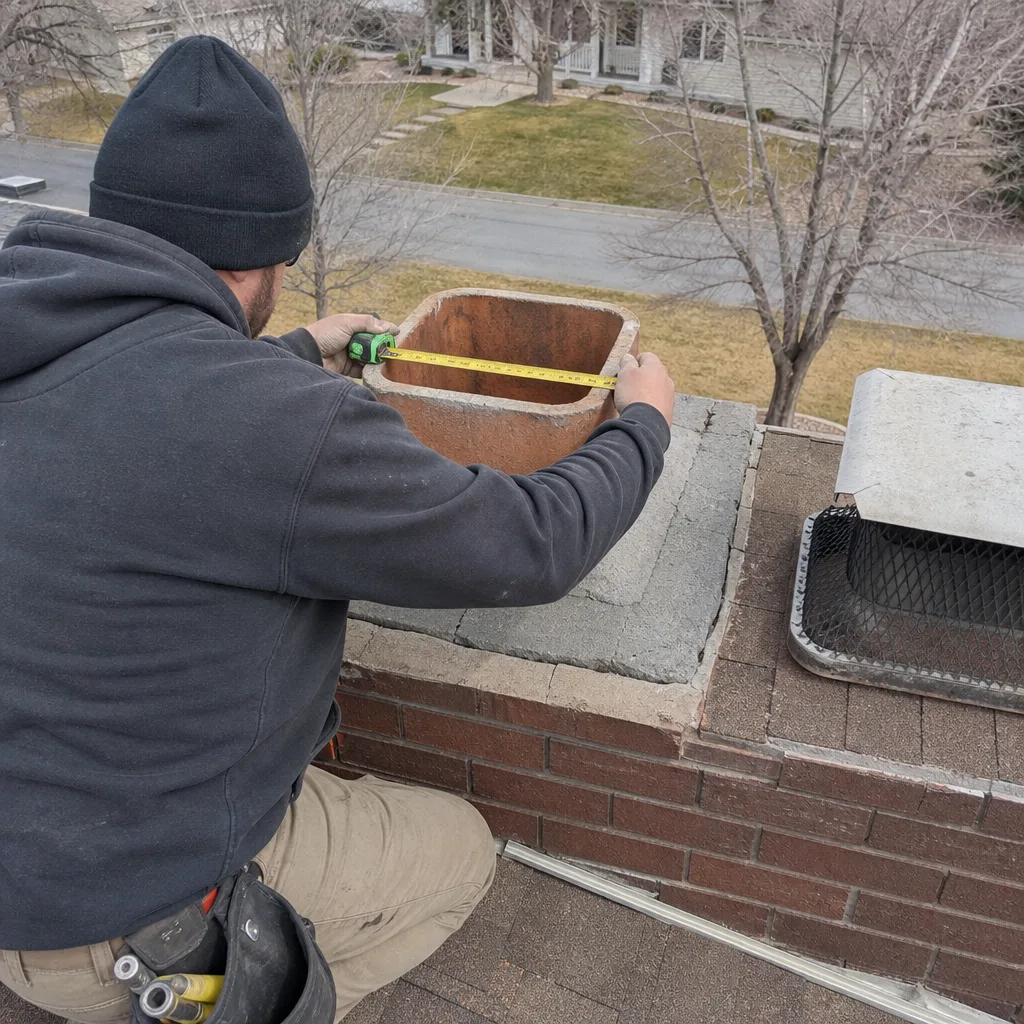
Last updated November 24, 2026
 Sweep & inspection
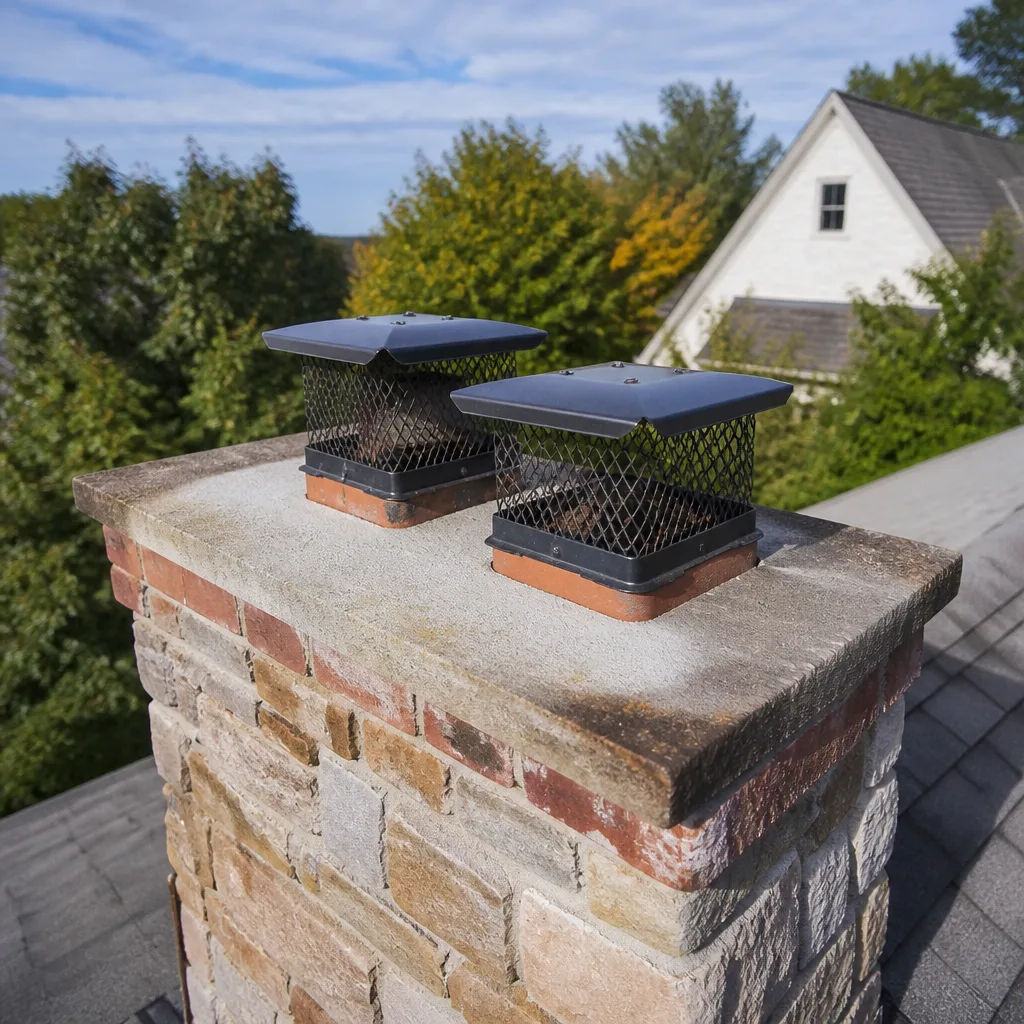
 Caps & crowns
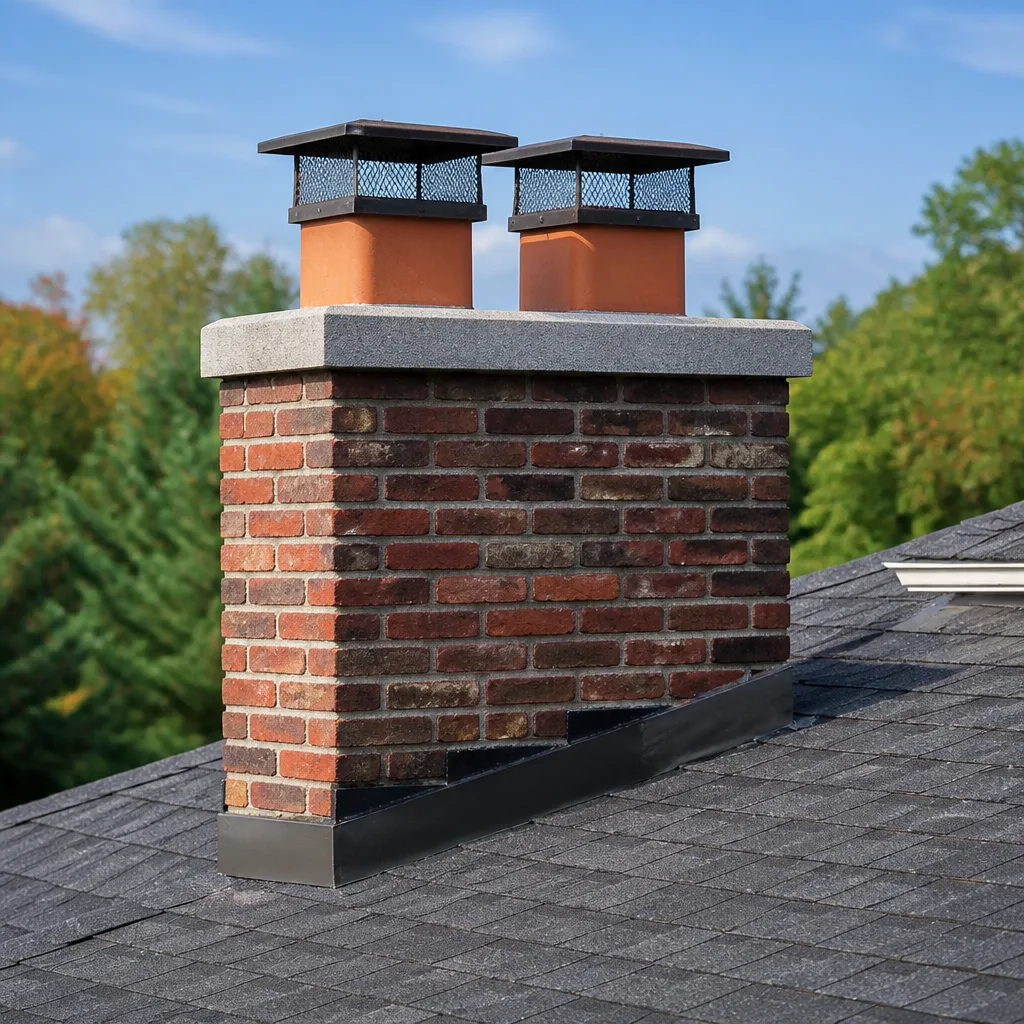
 Flue relining
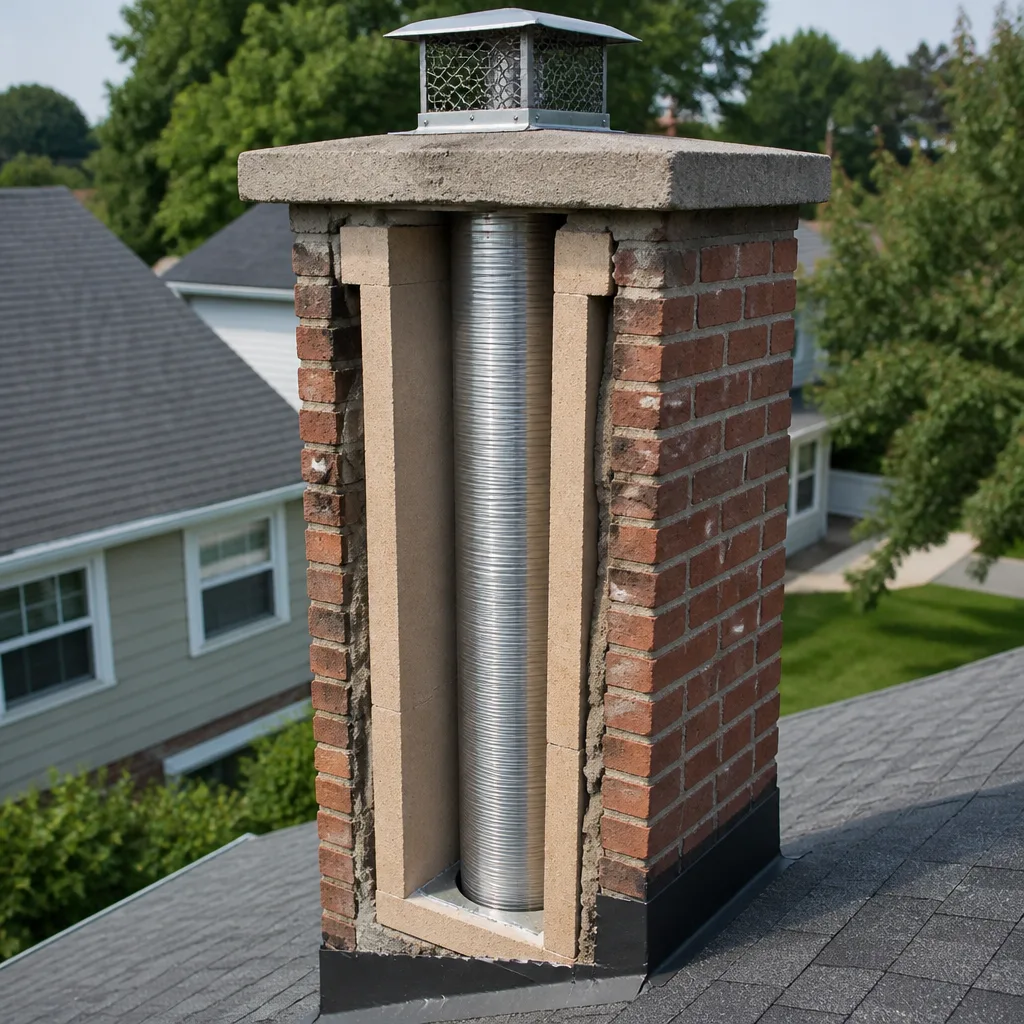
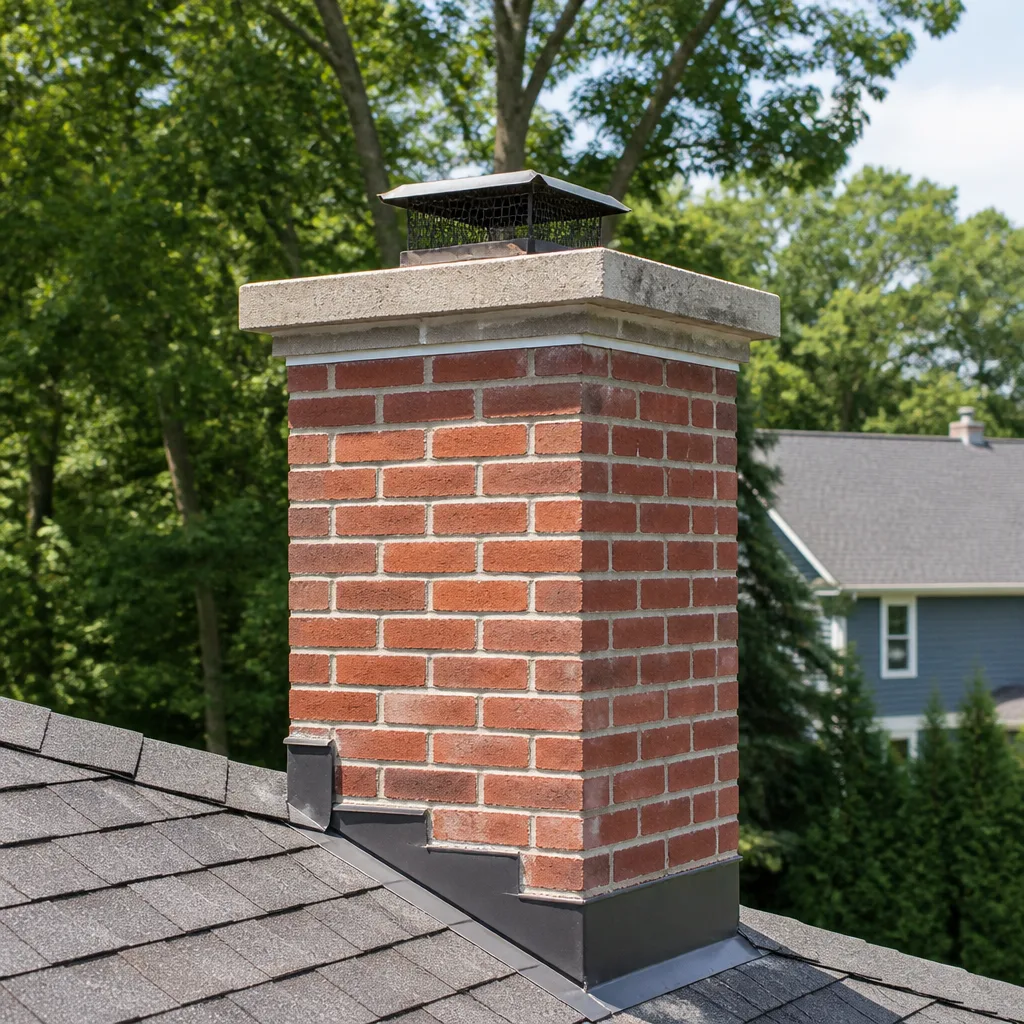 Masonry repair
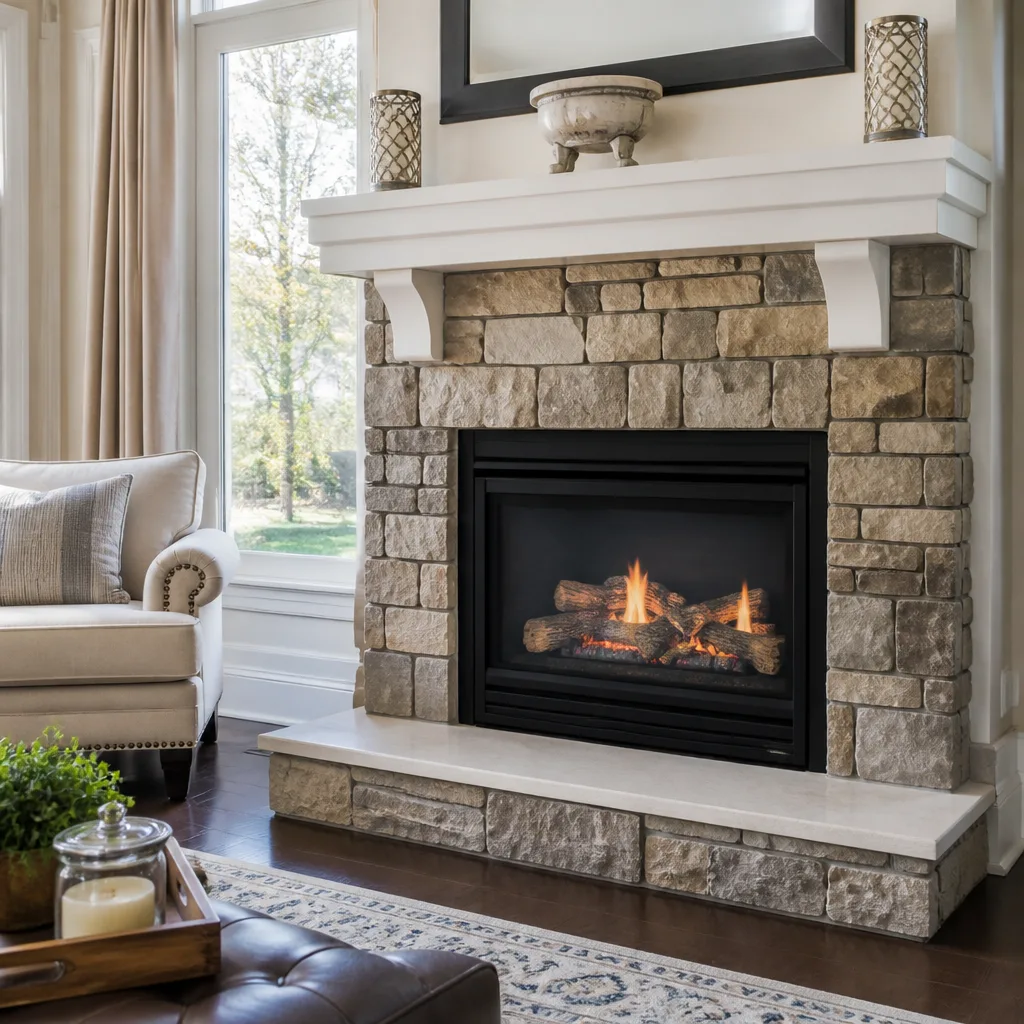 Gas fireplace service
Level 1 sweep and inspection to the NFPA 211 annual standard - flue, crown, cap, and flashing checked and photographed
Chimney sweep logs do not sweep chimneys. They loosen some creosote - which then falls where a brush and vacuum still have to collect it.
Chimney Cleaning Permits, Codes & Inspections in Lehi, UT: What You Need to Know
A relined chimney that was never permitted is easy to live with and hard to sell. Most homeowners assume the work is done once the fire burns clean and the smoke goes up, but the paperwork that should have come with structural chimney work is what a buyer’s inspector, a title company, and an insurance adjuster will ask for later. Correct work without documentation can read as an undisclosed material defect, even when the liner itself was installed exactly right. In this guide we walk through where maintenance ends and permitting begins in Lehi, how the city’s inspection path actually runs, what a Level 2 inspection covers, and what records to keep so a future sale or claim never stalls on your chimney.
Quick Answer
Routine chimney cleaning in Lehi does not require a permit. Permits enter the picture when the work becomes construction or appliance work: relining or resizing a flue, rebuilding or altering masonry, replacing a firebox, installing or replacing a wood stove or insert, or changing the venting on a gas appliance. Separately, a Level 2 inspection is a documented evaluation that’s required at specific trigger points (a home sale, an appliance or fuel change, or after a chimney fire) and can be performed by a qualified chimney professional. Call (877) 820-9718 with questions about your situation before work starts.
Styles & brands we work with
- Sweep & inspection
- Caps & crowns
- Flue relining
- Masonry repair
- Gas fireplace service
Table of Contents
- What Counts as Maintenance vs. What Needs a Permit
- How Lehi’s Inspection Process Works for Mechanical and Masonry Work
- What a Level 2 Inspection Is and When It’s Required
- Why Lehi’s Climate and Altitude Change How Your Chimney Ages
- Insurance: How Carriers Treat Fire Claims on Modified Flue Systems
- The Documentation to Request From Any Contractor
- Keeping a Chimney Record File That Holds Up
What Counts as Maintenance vs. What Needs a Permit
The clean dividing line in Utah’s residential code is whether the work changes the chimney system or simply services it. Sweeping creosote, removing a bird’s nest, replacing a cap, and adjusting a damper are maintenance. Relining, altering the flue, rebuilding a crown, replacing firebox masonry, and installing an appliance are construction or mechanical work, and each runs into a permit requirement somewhere in the process. This is the line most Lehi homeowners cross without realizing it, usually when a repair quote quietly turns into “we’ll just reline it.”
Generally maintenance, generally no permit:
- Annual sweeping and creosote removal
- Level 1 or Level 2 inspection
- Chimney cap installation or replacement
- Minor damper repair or chimney cleaning brush-and-vacuum service
- Replacing firebox brick that isn’t structural
Usually requires a permit or a licensed trade sign-off:
- Installing a new or replacement flue liner
- Changing the flue size
- Rebuilding or altering chimney masonry above the roofline
- Installing or replacing a wood stove, insert, or gas appliance and its venting
- Cutting a new penetration through a wall or roof for a flue
- Structural changes to the firebox
Two of these deserve their own mention. A liner install changes the venting capacity of the entire system, and a stove install is a mechanical appliance change. Both are the kind of work that a Lehi building inspector will want to see evidence of. Our team has up to 12 years of experience diagnosing when a repair quote has crossed into permitted scope, which is why we walk you through it before work begins, not after.
If you’re only partway through the year and you’re due for a routine chimney sweep, start there. A clean flue is the baseline for any honest inspection result.
How Lehi’s Inspection Process Works for Mechanical and Masonry Work
Lehi City runs permitting and inspections through its building department, and the process for chimney work mirrors the process for any construction or mechanical permit. The contractor pulls the permit, the work is performed, and a city inspector signs off after a final inspection. When chimney work is done under a permitted scope, we recommend planning the timeline the way you’d plan any remodel: don’t schedule the firebox rebuild the week before Thanksgiving.
Here’s how the process generally runs in Lehi:
- Verify whether your scope needs a permit. Ask the city’s building department directly. If you’re not sure, ask your contractor to put their permitting assumption in writing before signing.
- Pull the permit before work begins. The permit goes to whoever is legally responsible for the scope. For mechanical appliance installs, this is often a licensed trade. For masonry, the responsible party may differ.
- Complete the work. Intermediate inspections may be required for certain stages, such as rough-in inspections before the flue is closed up.
- Final inspection. A city inspector reviews the work against the permitted scope. Documented corrections may be required before sign-off.
- Keep the signed inspection card. This is the single most important document for later sale or insurance review.
Typical turnaround in most Utah jurisdictions runs a matter of business days between scheduling the final inspection and getting an inspector on site, with correction requests sometimes adding a cycle. We tell homeowners in Lehi to budget a couple of weeks end to end for permitted chimney work so the timeline isn’t the reason the project gets rushed.
Two things catch homeowners off guard. First, the permit is often pulled by the licensed trade performing the mechanical or masonry portion, not the general contractor or chimney sweep. Second, the inspection isn’t a gut check of whether the fire burns well. It’s a check against the permitted scope, and the documented final sign-off is what survives the sale.
What a Level 2 Inspection Is and When It’s Required
A Level 2 inspection is the documented evaluation of a chimney’s accessible interior and exterior condition, short of anything that requires demolition. It’s more thorough than the quick look a Level 1 provides at sweep time, and it’s the inspection standard most often triggered by transaction, appliance, or incident. In our experience, Level 2 inspections are the piece Lehi homeowners skip right before a sale and the piece they regret missing after.
The National Fire Protection Association (NFPA 211, the Standard for Chimneys, Fireplaces, Vents, and Solid Fuel-Burning Appliances) identifies the trigger points that call for a Level 2 inspection. They are:
- A home sale or change of occupancy
- A change of fuel type (for example, wood to gas)
- An appliance change or replacement that affects the flue
- After a chimney fire or other event that may have damaged the flue
- After an earthquake or other significant event that could affect structural integrity
Anyone buying a home in Lehi with an older masonry chimney should assume a Level 2 inspection belongs in the transaction. The alternative is buying a house whose flue was relined eight years ago by an unknown party with an unknown permit history.
Who can perform a Level 2 inspection? The most reliable answer, and the one we recommend, is a chimney professional holding a current CSIA (Chimney Safety Institute of America) certification, with the report delivered in writing. The report should include what was viewed, what was not accessible, and the condition of the flue, firebox, damper, cap, crown, and venting. If you’re selling, keep the report. If you’re buying, request one. If you’re following up on a home inspection flag, order it as a standalone service, which is how we offer inspection at Lehi Chimney Sweep: a report on its own terms, not gated behind a cleaning upsell.
Why Lehi’s Climate and Altitude Change How Your Chimney Ages
Lehi sits in the Utah Valley, on the eastern edge of the Great Salt Lake basin, and the chimney wear pattern here doesn’t match what a homeowner might read in a general guide written for a wetter climate. The cycle of a cold, deeply frozen winter, a dry summer that cracks masonry, and a windy spring that drives weather against the northeast and northwest faces of a home adds up. Two specific regional factors matter.
Freeze-thaw on masonry. Lehi winters regularly swing between below-freezing nights and above-freezing afternoons. That’s a lot of freeze-thaw cycles across a single season, and masonry that’s already absorbed moisture from a fire-side leak or a failing crown will spall every year it survives. A cracked crown, a missing cap, and a rusted rain pan are the usual entry points. This is why cap and crown work with purpose-built components (we install Famco and Gelco caps and crowns) isn’t cosmetic; it’s the difference between a flue that dries between fires and one that rot-tracks every spring.
Altitude and draft. Lehi’s elevation changes how a chimney pulls. Many older homes here were built for wood appliances with a draft specification that assumed sea-level performance, and when a high-efficiency insert or a gas appliance is dropped into that flue, the draft dynamics change. A gas appliance that vents into an oversized flue with no liner can struggle to draft cleanly, and that’s a venting configuration problem the installation should have resolved. If you’re seeing backups at startup or water in the flue, the fix isn’t another cleaning.
Burning season is long. Lehi’s fire season starts early and runs late. That means creosote builds faster than a homeowner with a mild-winter reference point would expect, and it means the fall is the right time for an annual sweep before the first real cold snap. If it’s been three years since your last sweep, the creosote layer is likely thicker than it would be in a shorter season, and the risk of a chimney fire rises.
If the structural wear has already started, the fix is real chimney repair, not another patch. We install DuraFlex flexible liners that are rated for the flue and sized correctly, and we use HeatShield for firebox and liner restoration where the masonry is intact enough to restore rather than demolish. If you need an inspection before deciding, a standalone inspection is the honest first step.
Insurance: How Carriers Treat Fire Claims on Modified Flue Systems
If a fire escapes your firebox, your homeowner’s policy pays based on what the adjuster documents. That documentation starts with your flue and its modification history. An unpermitted reline, a firebox alteration that changed the clearances, or an appliance swap without a mechanical permit puts your claim into a category an adjuster will flag, and the carrier may question coverage on exactly the part of the loss that’s expensive to repair.
Here’s the pattern our team has seen. The fire itself is minor, contained to the flue. The adjuster asks when the chimney was last inspected. If the answer is “we’ve never had it looked at,” the claim may still go through, but the carrier can insist on a compliant rebuild before any payout is released. If the answer is “we had a liner put in three years ago,” and there’s no permit and no inspection card, the carrier can argue that the modification was not code-compliant, which some policies exclude from coverage.
The good news is that the fix is documentation, not demolition. What insurers want to see:
- A permit and a signed final inspection card for the reline or appliance change
- A Level 2 inspection report from a qualified inspector
- Annual sweeping records showing annual maintenance
- Photographs of the liner or flue before and after installation
If you’re not sure whether the last chimney contractor pulled a permit, you don’t need to worry about it. You can find out. Call Lehi City’s building department and ask whether a permit was issued for your address, and request any inspection records. Then decide.
For any homeowner in Lehi preparing to file a claim or refinance, gather these documents before you need them. A carrier handling a fire claim on a modified flue system asks for the permit file first.
The Documentation to Request From Any Contractor
Whether a project is permitted or not, any chimney contractor worth working with should provide documentation on request. Walk away from one that won’t. The good news is that asking is easy, and the answer is a useful quality signal in its own right, more useful than a business card ever was.
Here’s what to request before, during, and after the work:
- Before the work: ask whether the scope is permitted in Lehi, and get the answer in writing. If the contractor says a reline doesn’t need a permit, ask them to put that in the estimate.
- The product specification sheet. DuraFlex, Olympia Chimney, and Copperfield components are listed by the manufacturer with a specification and a listing that should match your install. Ask for those.
- The installation method statement. How is the liner insulated? What’s the annular space? What’s the connection at the appliance collar? None of these should be a mystery after the fact.
- Before-and-after photographs. Every reputable chimney contractor photographs the flue before and after relining. If yours doesn’t, ask why.
- The final inspection card, if permitted. Signed, stamped, with the permit number legible.
- A written Level 2 inspection report, if you ordered one. Whether the report was a condition evaluation for sale or a follow-up to a concern.
For gas appliances and firebox replacements, the mechanical trade performing the install should also provide the appliance venting specification and confirm the appliance was started and tested. A written statement of that test is worth more than a verbal assurance.
Ask the same of us. Anything we install with chimney repair work comes with a written record of what was used, where it came from, and how it was installed.
Keeping a Chimney Record File That Holds Up
A chimney record file is a single folder, physical or digital, containing the permit history, inspection reports, sweeping records, product specification sheets, and photographs for your home’s chimney. If you’re ever asked during a sale, a refinance, or a claim, you open the folder. The rest of the way, you don’t think about it.
Here’s what belongs in your chimney record file, and why:
- Permit and inspection cards. The most important document. Protects the sale, supports the claim.
- Level 2 inspection reports. Each report is a dated condition baseline. A chain of reports showing years of stable condition is enormously useful evidence of proper maintenance.
- Sweeping records. A simple log of who swept, when, and what was found. Insurers read this as evidence of annual maintenance.
- Product specification sheets. The DuraFlex liner you installed five years ago has a listing and a specification. Keep the paperwork.
- Photographs. Before-and-after photos of the flue, the firebox, and the crown. These give an adjuster something to look at other than a claim form.
- Cost records. Not for the insurance claim; for the buyer who wants to know what’s been done.
Heating appliances and flue modifications aren’t the only things that belong in the file. If your home has had a change of fuel type, a remodel that touched the firebox, or a fireplace insert added, those should be documented alongside the chimney work itself.
We recommend starting the file at the first service call and adding to it every time. If you’re buying the home and the seller doesn’t have a file, ask for the permit history from the city and schedule a standalone inspection. That gives you a starting point you can build on.
If you’re not sure where your chimney record stands today, a standalone inspection is the fastest way to find out. Lehi Chimney Sweep offers inspections on their own terms, so the report reflects the chimney, not a sales goal.
Common Mistakes to Avoid
- Assuming maintenance includes relining. A reline isn’t sweeping with extra steps; it changes the flue system and belongs in a permitted scope. If a contractor frames it as routine, ask harder questions.
- Skipping the Level 2 at sale. A buyer’s inspector will flag an older flue, and an undocumented reline is the first thing they’ll question. Get the inspection before you list.
- Letting a gas appliance connect to an oversized flue. An unlined masonry flue on a gas insert is a venting configuration problem waiting to happen. Ask to see the specification for how the appliance was vented.
- Not collecting the final inspection card. The permit is only half the story. Without a signed final, you can’t easily prove the work passed.
- Ignoring a cracked crown in the fall. Lehi’s freeze-thaw cycle turns a cosmetic crown crack into spalling masonry across a single winter. Have the crown inspected before the season, not in March.
- Buying a home with no chimney file. If the seller has no records, request the permit history from the city and order a standalone inspection before closing.
- Calling a general handyman for repair work. HeatShield application, DuraFlex liner sizing, and Olympia Chimney components aren’t Home Depot projects; they’re professional specifications.
See the difference
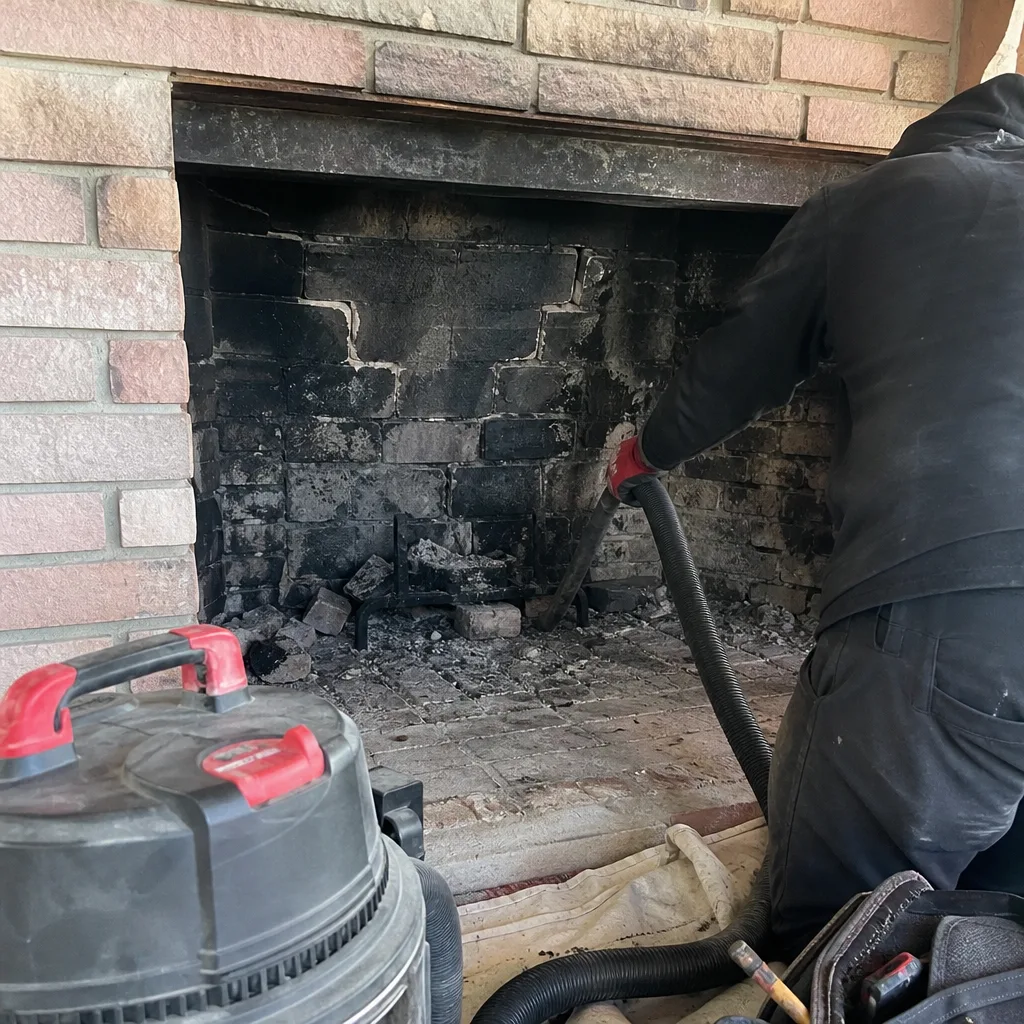 Before
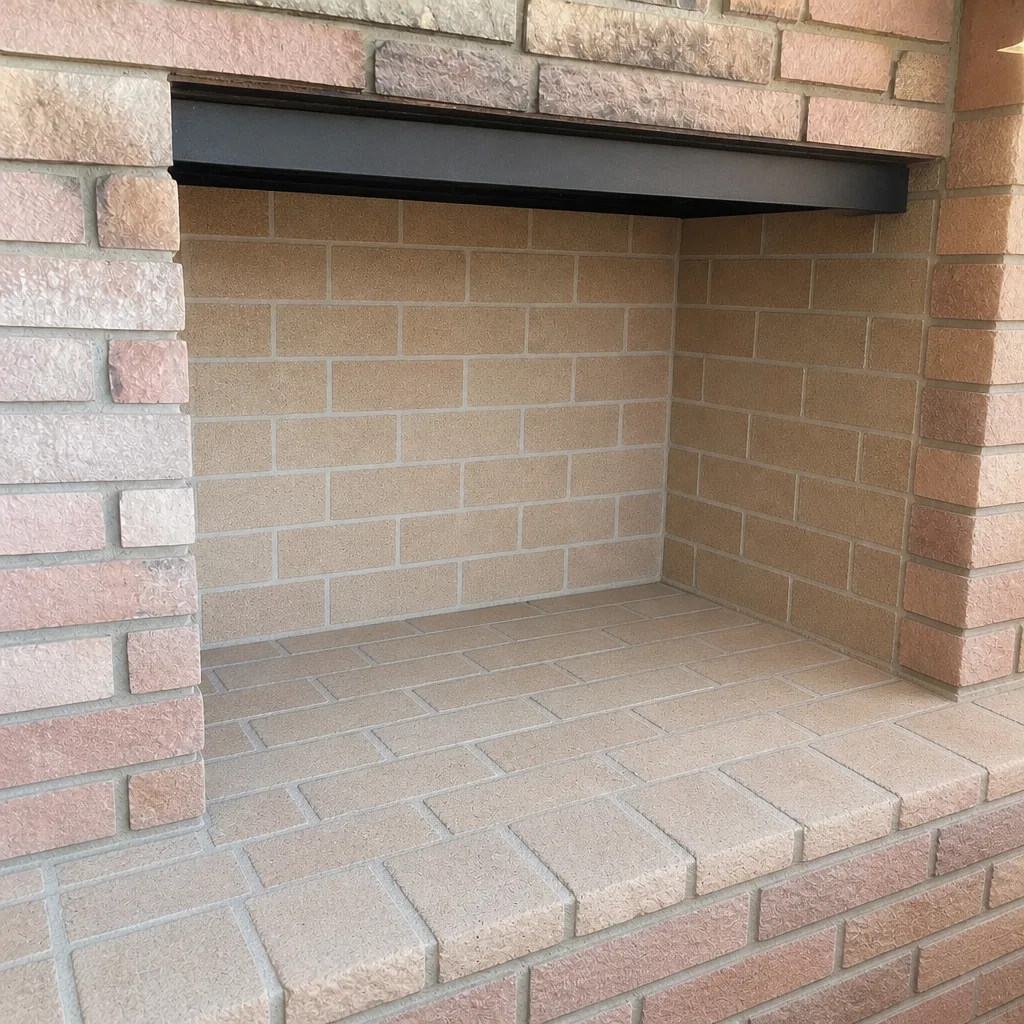 After
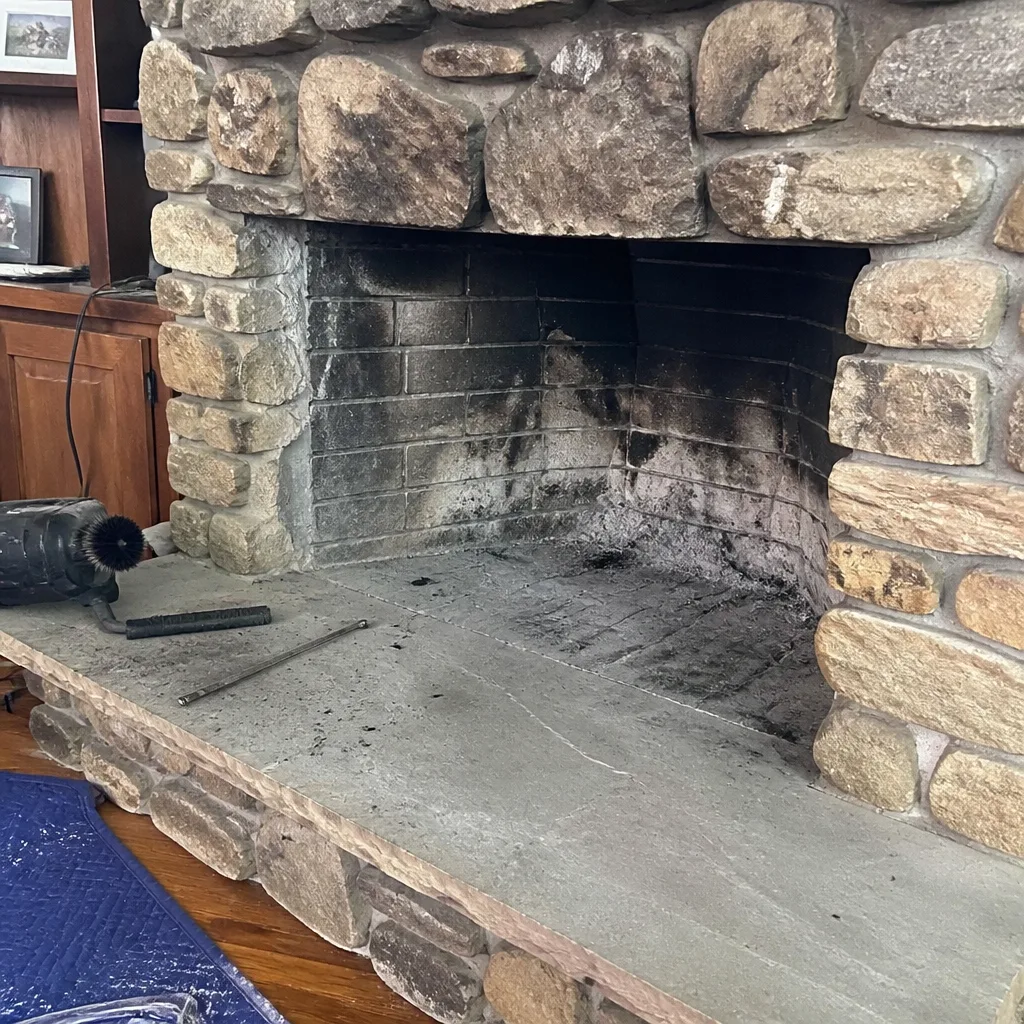 Before
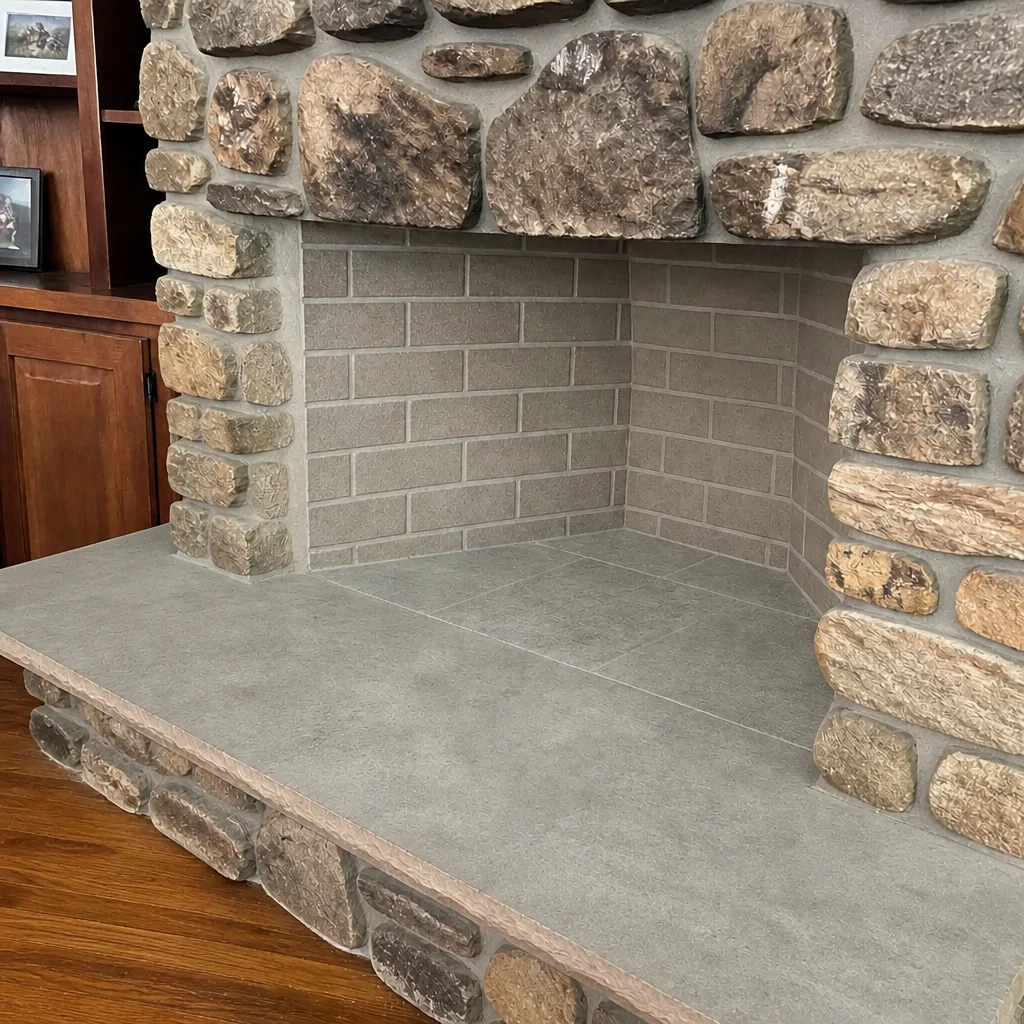 After
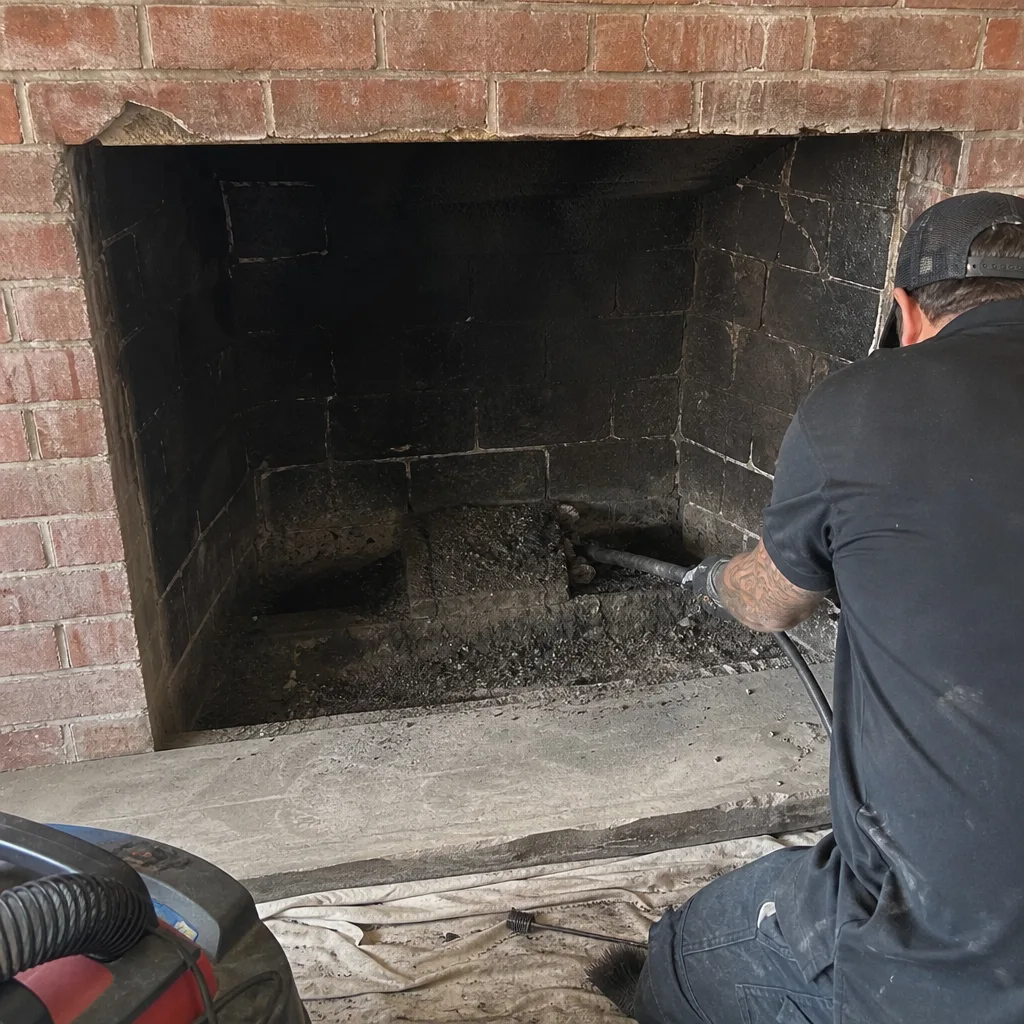 Before
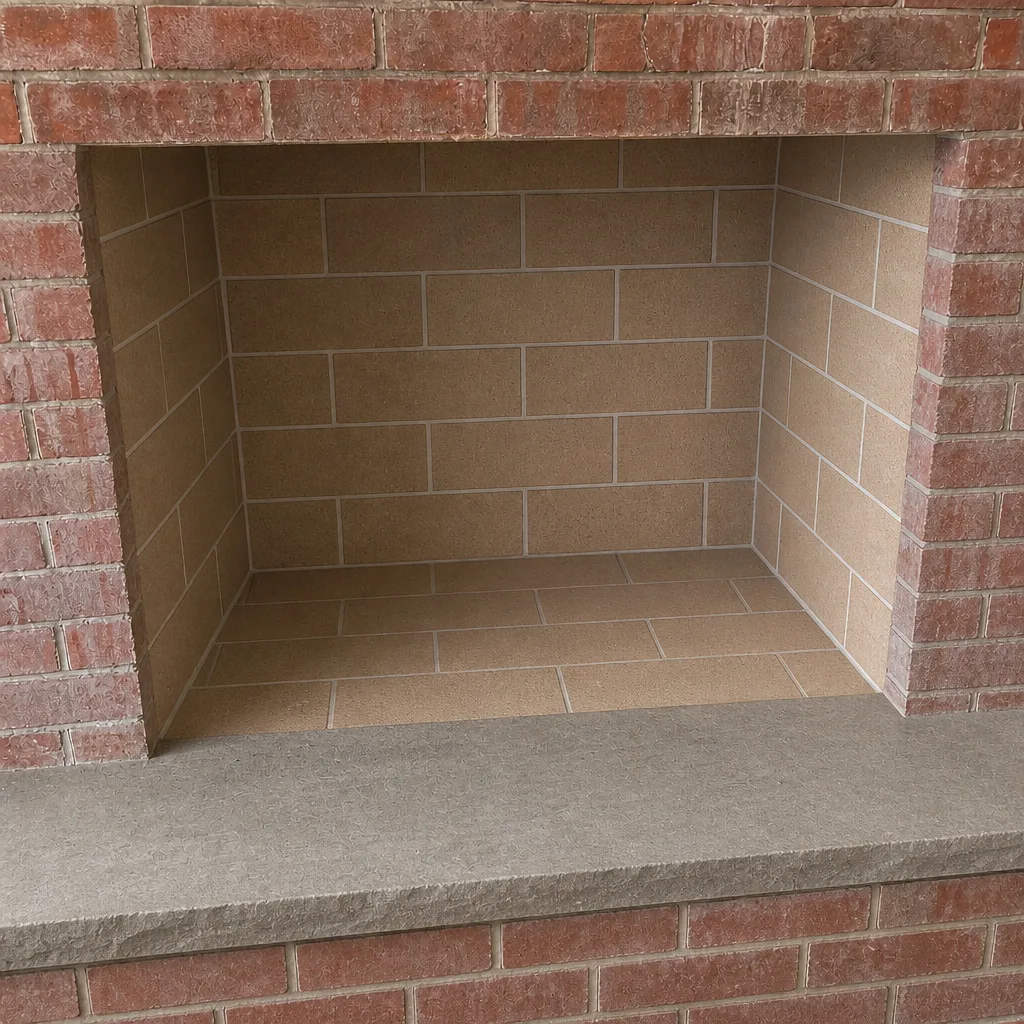 After
When to Call a Professional
Call a professional when the flue needs to be relined, when the masonry is failing, when you’re buying or selling a home with an older chimney, when you’ve had a chimney fire, or when you’ve changed the appliance and the chimney hasn’t been inspected since. Call us sooner if your homeowner’s carrier has asked about your chimney records, if a home inspector has flagged the flue, or if a previous contractor’s work has no paperwork to show for it. A free estimate from Lehi Chimney Sweep in Lehi is the easiest way to find out what your chimney actually needs. Call (877) 820-9718.
Frequently Asked Questions
No. Routine chimney cleaning in Lehi does not require a permit because it doesn’t alter the chimney system. Permits do apply when the work changes the flue, firebox, or appliance, such as relining, rebuilding masonry, or installing a stove or insert. Call (877) 820-9718 if you’re unsure which category your project falls into.
Level 2 inspection requirements come from the NFPA 211 standard, which Utah adopts through the state’s residential code process, not from a standalone law. The inspection is typically required at a home sale, a fuel change, an appliance change, or after a chimney fire. Any sale in Lehi involving an older chimney should include one.
Once a year for most wood-burning households, and more often if you burn heavily. The Utah Valley’s long burning season means creosote accumulates faster here than in a shorter-season climate. If it’s been more than two years, schedule a sweep before the fall.
Nothing breaks, but the record problem stays with the house. An unpermitted reline can stall a home sale, complicate a property records request, and give an insurance carrier grounds to question coverage on a flare-up. The fix is to ask the city for permit history and to order a standalone inspection to document the current condition.
Most home inspectors aren’t qualified for a Level 2; the standard calls for a qualified chimney professional holding current certification (CSIA is the common standard). If your home inspector has flagged the chimney during a Lehi sale, order the Level 2 separately from a chimney professional and keep the written report for the file.
It can. Carriers handling a fire claim on a modified flue system will ask for permit records and inspection reports, and some policies exclude coverage for changes that weren’t code-compliant. If you don’t know whether your last reline was permitted, contact the city for permit history and schedule a standalone inspection.
The Bottom Line
Cleaning a chimney in Lehi doesn’t need a permit, but nearly everything structural or mechanical does, and the paperwork is what a buyer, a city inspector, and an insurance carrier will actually use. Collect the permit and final inspection card for any reline, appliance install, or masonry work. Get a Level 2 inspection at sale, fuel change, appliance change, or after a fire, and keep the report. Keep a chimney record file starting with today’s service. The chimney with a documented file is worth more than the chimney without one. Call Lehi Chimney Sweep at (877) 820-9718 for a free estimate. We answer 24/7. Fast dispatch from 7am to 7pm, Sunday through Friday.
Written by the team at Lehi Chimney Sweep.