
Last updated November 24, 2026
 Sweep & inspection
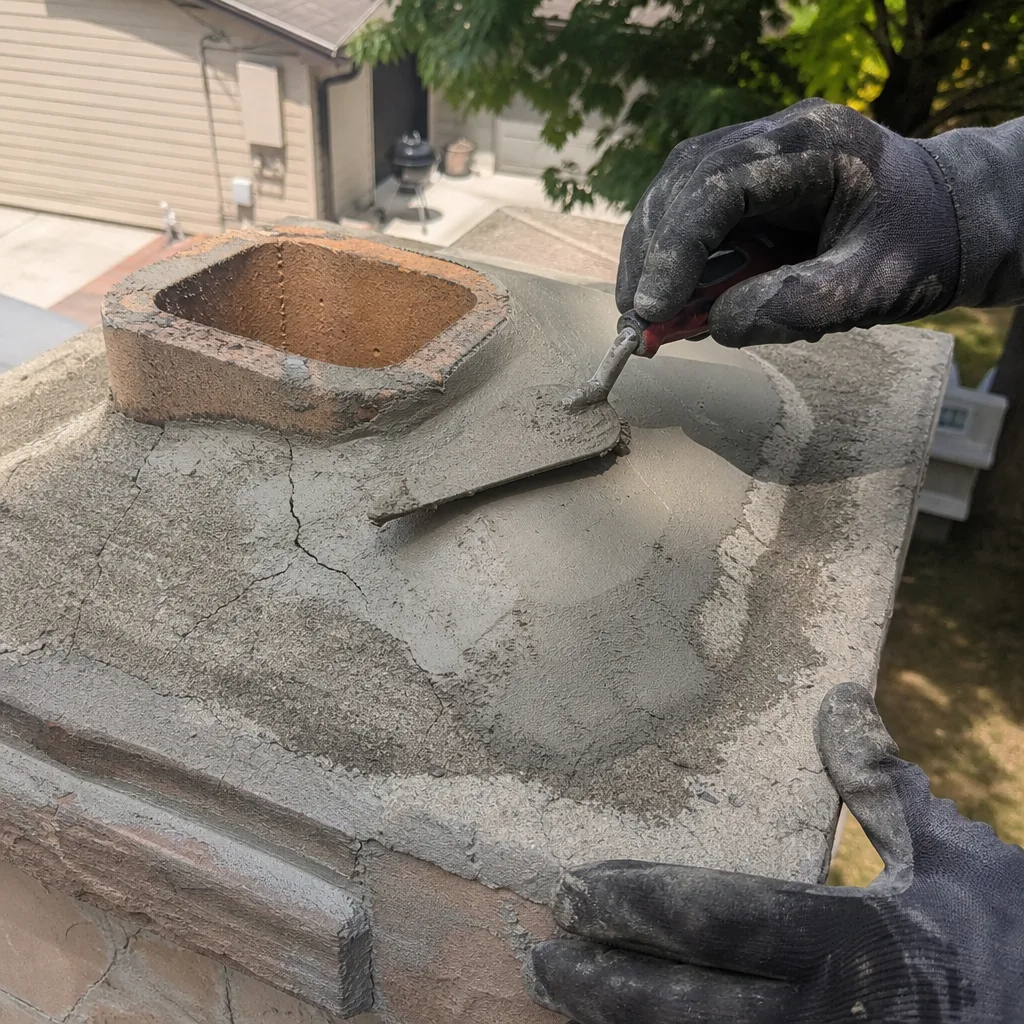
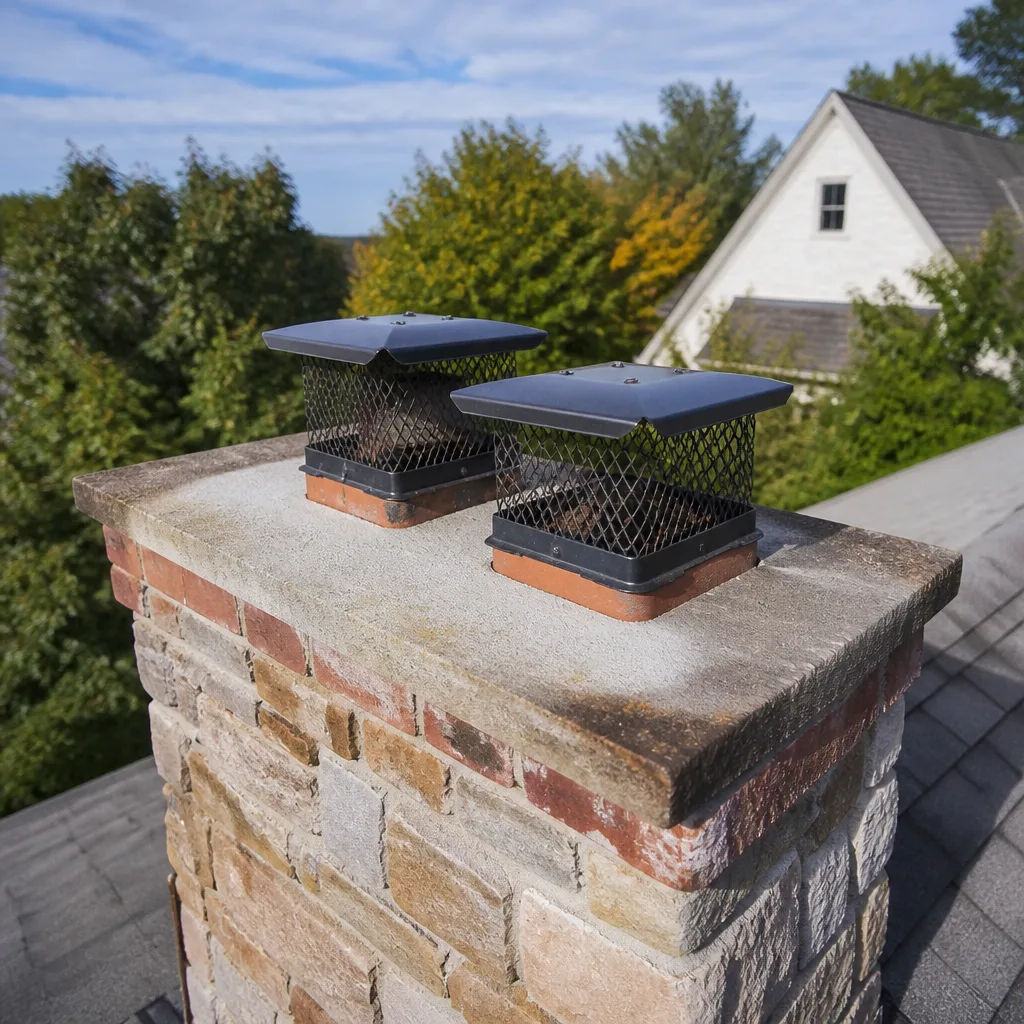
 Caps & crowns
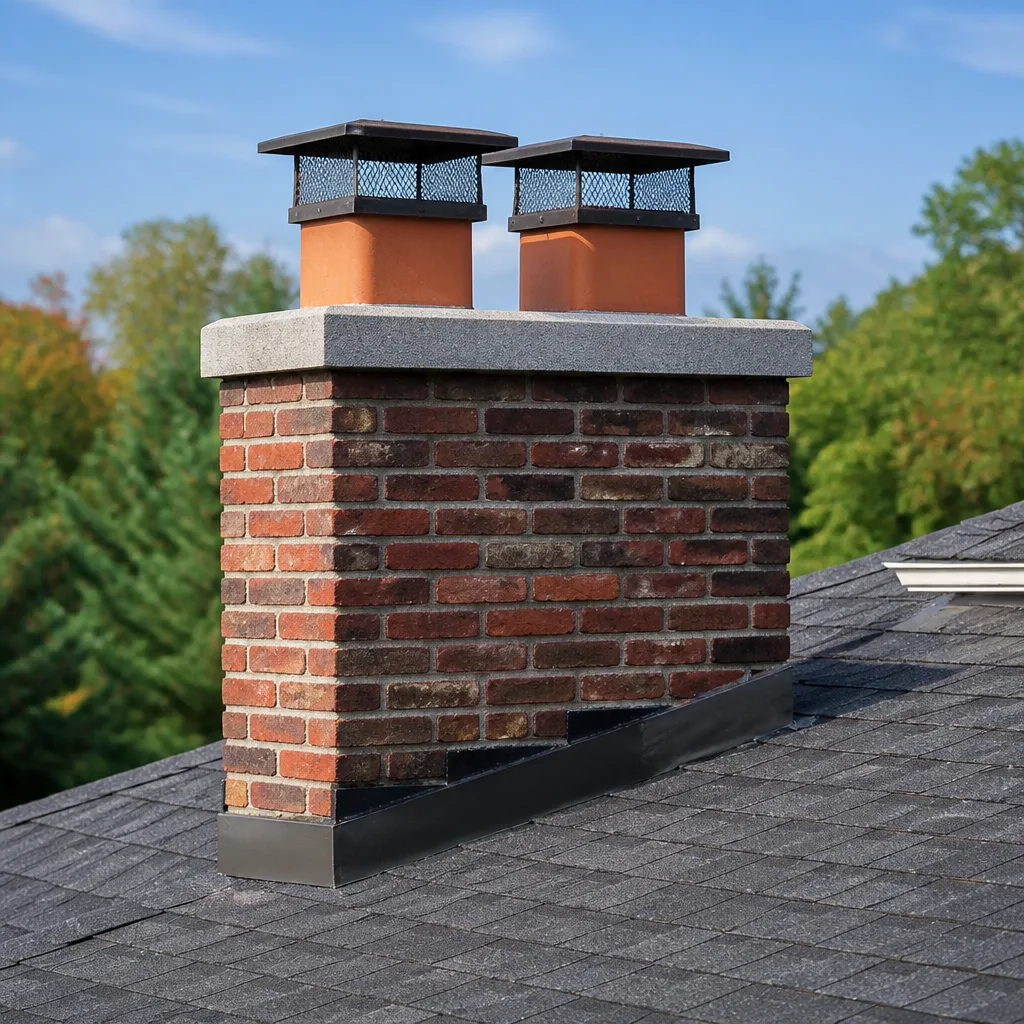
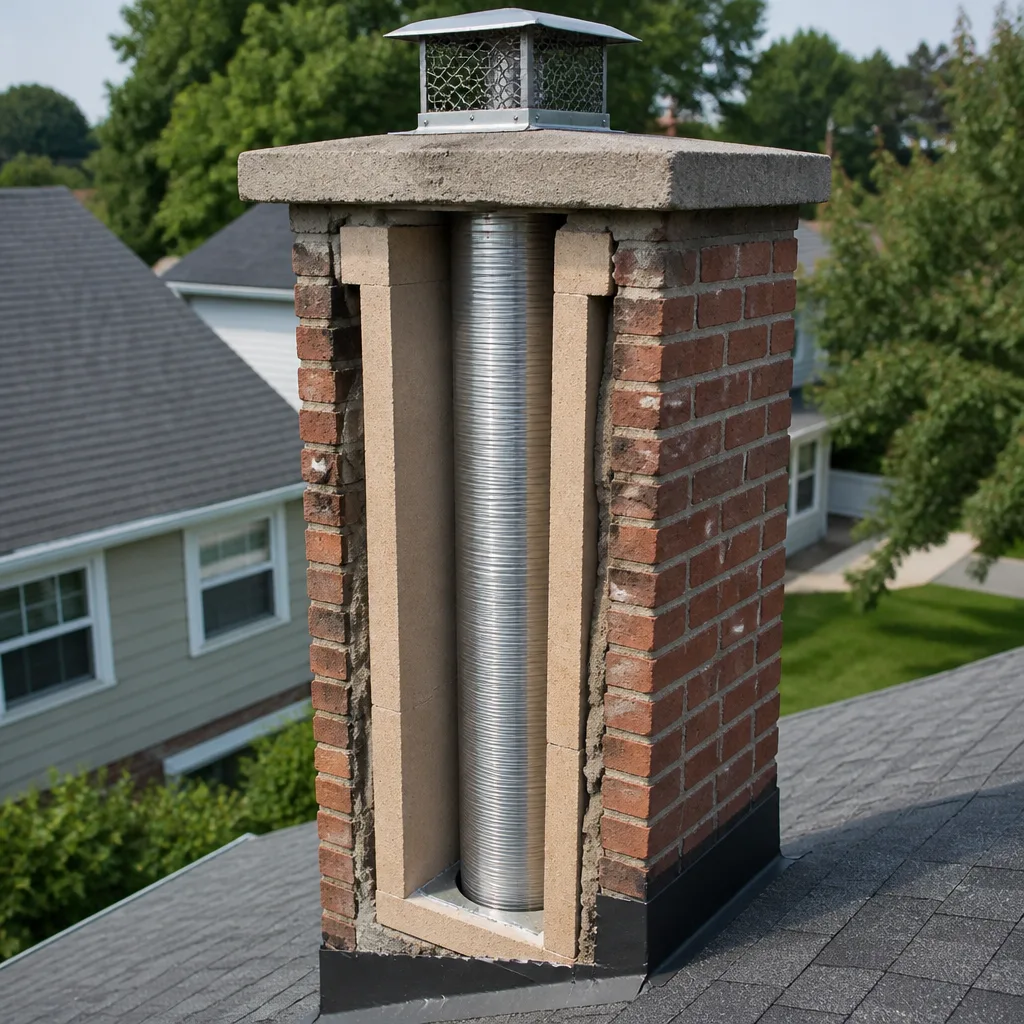 Flue relining
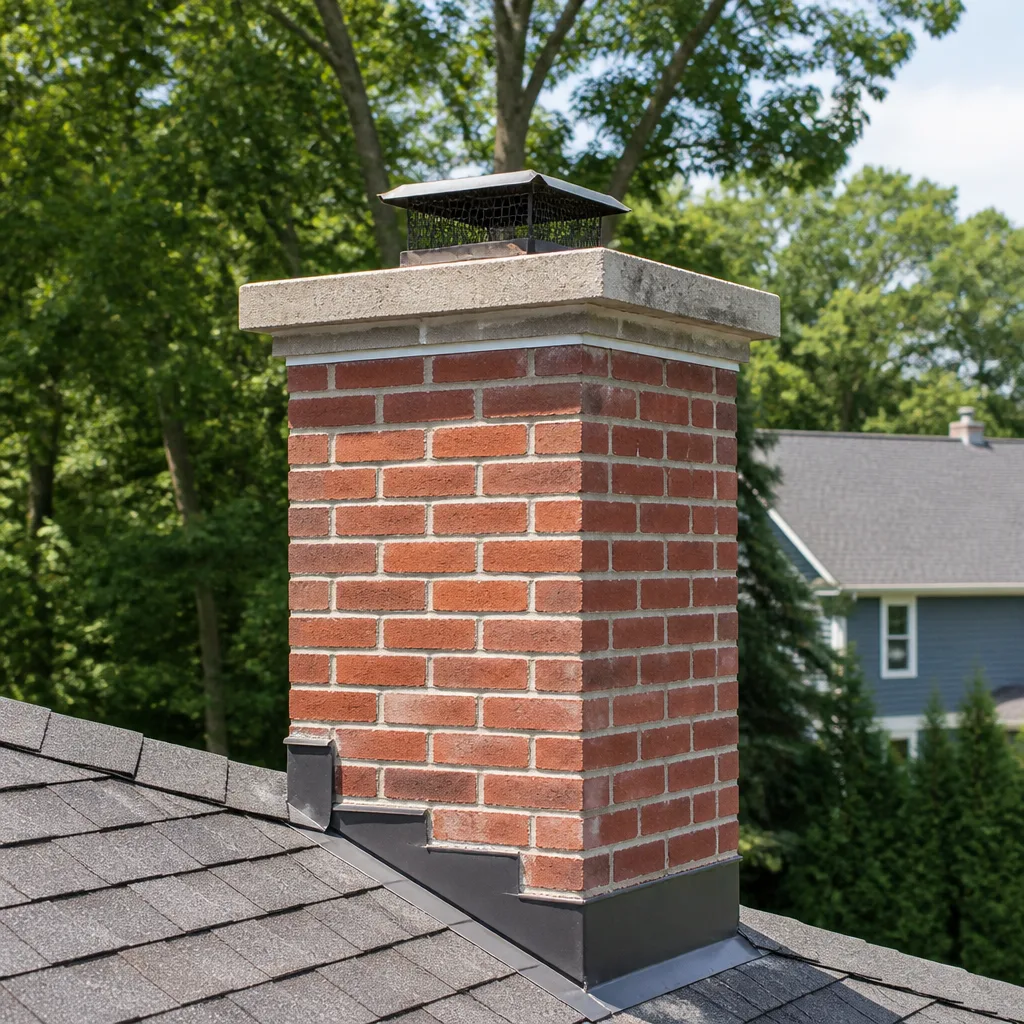 Masonry repair
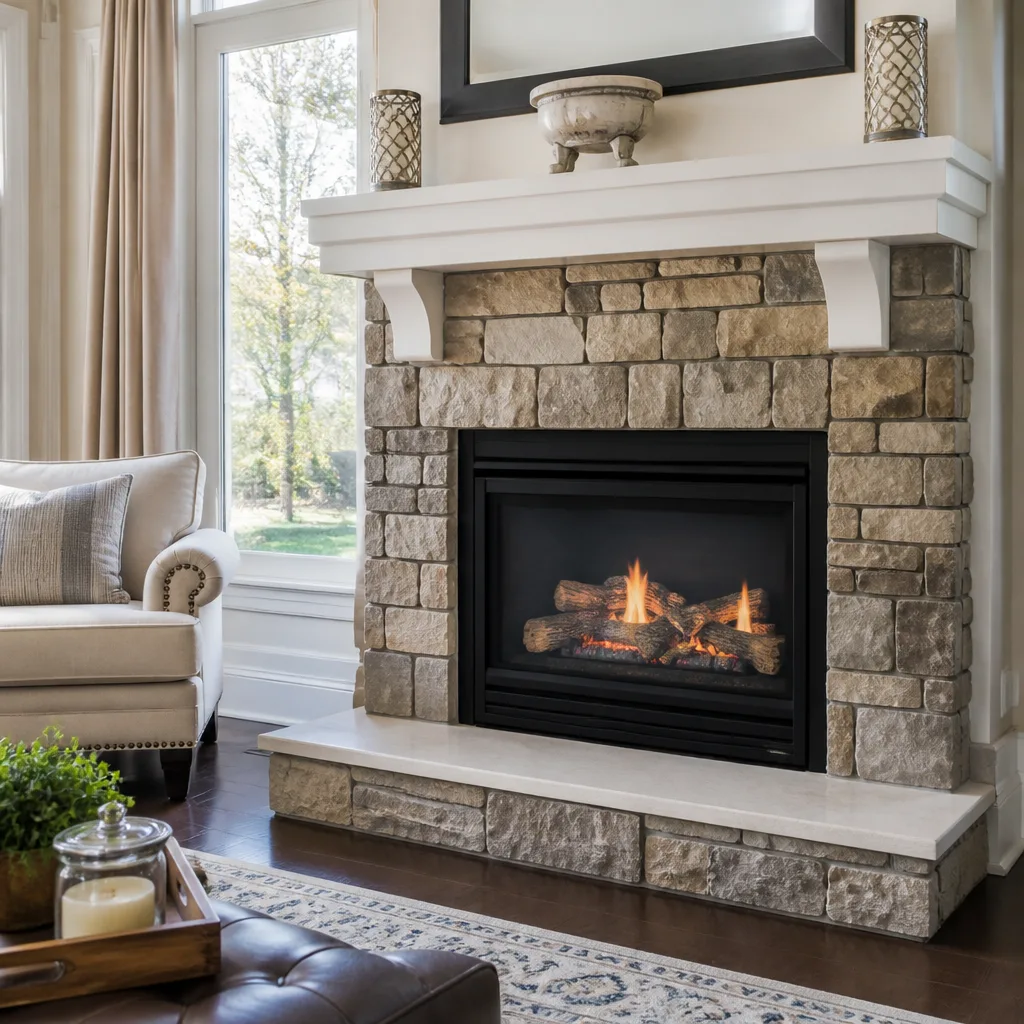 Gas fireplace service
Level 1 sweep and inspection to the NFPA 211 annual standard - flue, crown, cap, and flashing checked and photographed
Chimney sweep logs do not sweep chimneys. They loosen some creosote - which then falls where a brush and vacuum still have to collect it.
How to Hire a Chimney Cleaning Contractor in Lehi: A Step-by-Step Guide
Most homeowners in Lehi start their search for a chimney sweep the same way: a quick search, the first name that looks reasonable, and a booking. Then the technician arrives, sweeps the flue, and mentions that the liner “might” need attention. That’s the moment the hiring process should have prevented. Certifications matter, but a certification alone doesn’t tell you whether the person at your door can actually diagnose a cracked liner, install a listed flue system, or tell the difference between a firebox that needs restoration and one that can wait. What follows is the vetting process we’d walk a neighbor through: which credentials do what, which questions reveal a specialist from a generalist add-on, how to compare bids on equal terms, and the red flags that show up again and again in Lehi.
Quick Answer
To hire a chimney cleaning contractor in Lehi, verify CSIA certification and insurance first, then confirm the contractor offers inspection and repair in-house rather than only sweeping. Ask for a written condition report with photo evidence after every visit, and compare quotes only when they cover the same scope of work. The lowest bid is usually cheaper because it covers less, not because it’s more efficient.
Styles & brands we work with
- Sweep & inspection
- Caps & crowns
- Flue relining
- Masonry repair
- Gas fireplace service
Table of Contents
- What CSIA, NFI, and State Licensing Actually Certify
- The Five Questions to Ask Before Booking
- How to Read a Chimney Quote in Lehi
- Why the Lowest Quote Usually Reflects a Scope Gap
- Red Flags Specific to Chimney Work
- What a Contractor’s Material Partnerships Signal
- How Lehi’s Climate and Housing Shape Chimney Care
- Why an Inspection Should Stand on Its Own
What CSIA, NFI, and State Licensing Actually Certify
CSIA certification confirms that an individual technician has passed a standardized exam on chimney sweeping and inspection fundamentals, and that they maintain continuing education. It does not certify the company, does not confirm insurance, and does not cover installation work, repair work, or diagnosis of structural failures. A CSIA-certified sweep is a good floor. It is not a ceiling.
NFI certification is where the picture widens. The National Fireplace Institute certifies technicians across gas, wood, and pellet specialties, and the exams test appliance knowledge and installation practice rather than sweeping alone. For a homeowner in Lehi with a wood insert or a factory-built fireplace, an NFI credential is a meaningful signal that the person understands the appliance, not just the flue above it.
Utah does not issue a statewide chimney sweep license, so there isn’t a single state-issued card you can look up. What you can verify:
- Business registration with the Utah Division of Corporations, which confirms the entity exists and is in good standing.
- Liability insurance and workers’ compensation through a certificate of insurance sent directly from the contractor’s insurer, not a scanned PDF handed to you at the door.
- Manufacturer authorization for the liner systems they install. Certain flexible liner products require factory-trained installers, and the manufacturer keeps a record of who is authorized.
What none of these credentials cover: whether the technician can identify a hairline crack in a clay flue tile, judge whether a crown has failed, or decide if a firebox needs restoration. Those are judgment skills built from doing the work, and they’re what you’re actually hiring when you bring someone into your Lehi home. Our technicians have up to 12 years of experience, and the certifications that matter most in our view are the ones that go with that kind of hands-on work.
The Five Questions to Ask Before Booking
A phone call lasting three minutes will tell you more about a chimney contractor than an hour of reading reviews. These are the five questions that separate a specialist from a generalist who added sweeping to the menu:
- “Do you perform inspections separately from cleaning?” A specialist can inspect a chimney without sweeping it, and will give you a written report with photos. A generalist will usually only look at the flue while sweeping it, which means anything off the sweep path gets missed.
- “What brands of liner and repair material do you install?” If the answer is vague, the contractor is buying generic product from a big-box store. Ask specifically whether they work with DuraFlex or HeatShield. A real specialist will name the systems they install and explain why.
- “Can you repair a failed crown, or do you subcontract that?” Cap and crown work looks simple until it’s done wrong and water comes in the following spring. If the answer involves a subcontractor, you’ve added a layer between you and the person actually responsible for the result.
- “What does your written report include?” The correct answer mentions photos of the flue interior, the firebox, the damper, the crown, and the cap. If there’s no written report, there’s no record of what the chimney looked like on the day of the visit.
- “If you find a problem, how do you show it to me?” A camera inspection that you can see on a screen is the standard. A tech who tells you about a problem without showing you is asking for trust that you haven’t earned yet.
Ask all five on one call. The quality of the answers will sort contractors faster than any review site. For a broader look at what a proper chimney sweep visit includes in this area, that’s a useful reference before you book.
How to Read a Chimney Quote in Lehi
A chimney quote is not a single number, it’s a scope of work. Two contractors can quote the same dollar figure and mean entirely different things, and two can quote figures a few hundred dollars apart while one covers three times the work. Read the quote line by line and ask what each line covers:
- Sweeping of the flue, firebox, smoke chamber, and damper area. A quote that sweeps only the flue is incomplete.
- Inspection level specified: Level 1, 2, or 3. Most annual visits are Level 1. A Level 2 is called for when a home changes hands, an appliance changes, or a chimney has had a chimney fire.
- Photo documentation included or not.
- Repair items listed as separate line items with materials named, or lumped into a vague “repairs” line.
- Cap and crown described as removal and replacement with a specific product, or as “resealing.”
In our experience across Lehi, the most common quote problem is a low figure that turns out to cover sweeping only, with inspection and repair as separate add-ons later. The second most common is a quote that bundles repairs the homeowner never agreed to, usually presented verbally and then confirmed in writing after the fact. Neither serves the homeowner.
For any repair that matters, ask for a chimney repair quote that names the material and the method. HeatShield, a restoration system for firebox and flue surfaces, is a good example: a quote that names it is a different kind of quote from one that says “we’ll patch it.”
Why the Lowest Quote Usually Reflects a Scope Gap
Pricing on chimney work is driven by scope, and scope is the easiest thing to quietly leave out of a bid. A contractor can quote low by skipping the camera inspection, skipping the photo report, skipping the crown check, and skipping the firebox. What’s left is a sweep that addresses the flue and nothing else. The chimney may pass that visit and fail the next one.
To compare bids on equal terms, get each contractor to itemize the same six things:
- The level of inspection they’re performing and what it includes.
- Whether photos are taken inside the flue, firebox, and at the crown.
- The specific brands and products they’ll install for any repair.
- Whether the quote covers only the sweep or the inspection plus sweep.
- What they’ll do if they find a problem mid-visit: stop and quote, or proceed.
- What the work is warrantied for, and for how long, in writing.
When every bid answers all six, the numbers usually get closer and the decision gets easier. Where numbers stay far apart, the low bid is almost always the one that answered fewer of them. A contractor who works primarily with professional-grade brands like Olympia Chimney and Copperfield is generally not cutting scope to hit a number, because their material costs are known and their labor is trained. That’s not a guarantee, but it’s a pattern worth noticing.
Red Flags Specific to Chimney Work
Some red flags are generic to all trades. Chimney work has its own set, and they cluster around the inspection and the recommendation that follows it:
- A verbal report with no written findings. If you don’t leave the visit holding a document with photos, you have nothing to compare against next year, and nothing to hand a buyer if you sell. Insist on written findings every time.
- Pressure to approve same-day repairs. Urgency is sometimes real, but a real problem discovered on a Tuesday can almost always be scheduled for a later date. A contractor who insists the chimney can’t wait another day is usually describing their schedule, not your chimney.
- A recommendation to reline without camera evidence. A liner replacement is one of the largest jobs in chimney work. Nobody should recommend it without showing you the interior of the flue and the failed section.
- Repair quotes that name no materials. “We’ll patch the crown” means nothing. A proper cap and crown job specifies the product, and specialists use purpose-built components from brands like Gelco or Famco rather than improvised hardware-store materials.
- A technician who can’t explain what they’re seeing. If you ask why a liner has failed and the answer is vague, the technician may be reading from a script. A specialist can point to the crack and tell you what caused it.
- No insurance documentation on request. A contractor who can’t produce a certificate of insurance is a contractor you shouldn’t let on the roof.
One more Lehi-specific flag: be wary of anyone who offers to “check the chimney” as a free add-on to another service like gutter cleaning or a roof inspection. Chimney diagnosis rewards focus, and free add-ons are rarely thorough.
What a Contractor’s Material Partnerships Signal
The materials a contractor installs tell you what kind of work they can do. Sweeping requires almost nothing: a brush, a vacuum, and a camera. Repair requires product knowledge, training, and a supplier relationship. When a contractor names HeatShield, DuraFlex, or Olympia Chimney on a quote, three things follow:
- They’re authorized to install those systems, which means the manufacturer has some record of their training and their work.
- They carry the products in stock, so a repair doesn’t stretch into a multi-week wait for materials.
- They’ve made a capital commitment to repair work as a service line, not a referral.
HeatShield is the clearest example. It’s a specialist restoration system for firebox and flue liner surfaces, applied by trained technicians, and it can bring a chimney back into service without demolition. A general handyman can’t buy HeatShield, can’t install it, and doesn’t know the failure modes it addresses. A contractor who uses it has crossed the line from sweeping into restoration.
DuraFlex flexible liner systems work the same way. They’re a professional-specification product installed by factory-authorized technicians, and they matter when a flue has failed and needs a liner replacement. If a contractor can’t say which liner brand they install, they probably don’t install liners.
If you’re looking at a fireplace repair job, the same logic applies to the firebox. A specialist can assess whether the firebox can be restored with HeatShield or whether it needs rebuild. A generalist usually only has one answer, and it’s not always the right one.
How Lehi’s Climate and Housing Shape Chimney Care
Lehi sits in Utah Valley, west of the Wasatch Range, at an elevation that produces cold winters and sharp freeze-thaw cycles. That matters for chimney work in specific, practical ways:
- Freeze-thaw on the crown. Water gets into hairline cracks in the crown, freezes overnight, expands, and widens the crack. Over a few winters, the crown can go from cosmetic cracking to structural failure. A cap and crown inspection is worth more here than in a mild climate.
- Longer burning seasons. Cold winters mean more fires, which means more creosote accumulation per season than in milder regions. Annual sweeping is not excessive here; it’s the minimum.
- Dry, windy springs. Spring wind in the valley can drive rain and debris into an uncapped flue, and it accelerates cap failure. A cap is one of the least expensive protections a Lehi homeowner can add.
- Newer construction. Much of the housing stock in Lehi and the surrounding communities was built in the last two decades, which means factory-built fireplaces, prefabricated chimneys, and metal liners are common. These systems have specific inspection and repair requirements that differ from traditional masonry. Sweeps who mostly work on masonry chimneys sometimes don’t know them well.
Neighborhoods in Lehi, from the older streets near the center of town out toward the newer developments, have a mix of masonry and prefabricated chimneys. That mix is one reason a contractor who only sweeps is a risk here. The chimney you have may not be the chimney they know best.
If you’re also thinking about the rest of your home, our main page on Lehi Chimney Sweep covers the full service offering and how each piece fits together.
Why an Inspection Should Stand on Its Own
Most chimney services bundle inspection into the cleaning visit, and for a routine annual check that’s reasonable. The problem is that bundling creates a conflict: the inspection is free only if you buy the cleaning, so the inspection is only as good as the sweep, and the sweep only covers the flue. A standalone inspection is a different product.
Here’s when a standalone inspection is the right call in Lehi:
- Buying or selling a home. A real estate transaction usually requires a Level 2 inspection, and a buyer or seller needs a written report they can hand to their agent.
- After a chimney fire. Even a small one can damage the flue interior and the masonry. A post-fire inspection is not the same as a sweep.
- After a home inspection flagged something. If a home inspector noted “chimney appears to need evaluation,” a standalone inspection answers the question directly.
- After changing appliances. A new wood stove, insert, or gas appliance changes how the chimney is used and requires a fresh assessment.
- When something doesn’t smell right in the house. Odor, draft problems, or smoke spillage all call for inspection, not a cleaning.
A standalone inspection is offered without a cleaning, without a minimum service, and without an upsell. It creates an honest condition report at any point in a home’s life, and the report belongs to you to use however you choose. That’s the model we work from, and we think it’s the one that makes the most sense for a homeowner in Lehi trying to figure out what their chimney actually needs.
Common Mistakes to Avoid
- Hiring on price alone. A low quote with a narrow scope looks like a bargain and turns into a second visit. Compare quotes on scope, not on the bottom line.
- Skipping the camera inspection. A sweep without a camera looks at the flue from the top and the firebox from the bottom. The middle is where the cracks are. Ask for photos or ask for a different contractor.
- Treating an inspection as a formality. An inspection answers a different question than a sweep. If you’re buying, selling, or following up on a home inspection, book the inspection on its own terms.
- Letting a technician sell you repairs on the first visit without evidence. Anything beyond routine cleaning should come with a written recommendation and photos you can see. If you can’t see it, don’t approve it.
- Ignoring the cap and crown. Water is the most common cause of chimney failure in Utah Valley, and it comes in through the top. A failed crown left alone will eventually take the masonry with it.
- Assuming any sweep can diagnose a prefabricated chimney. Factory-built systems have specific requirements. Ask whether the contractor works on them before you book.
- Waiting until the first cold snap. Chimney work is seasonal, and the weeks before burning season fill up fast. Booking a sweep in late summer or early fall is easier than booking one the week the furnace first kicks on.
See the difference
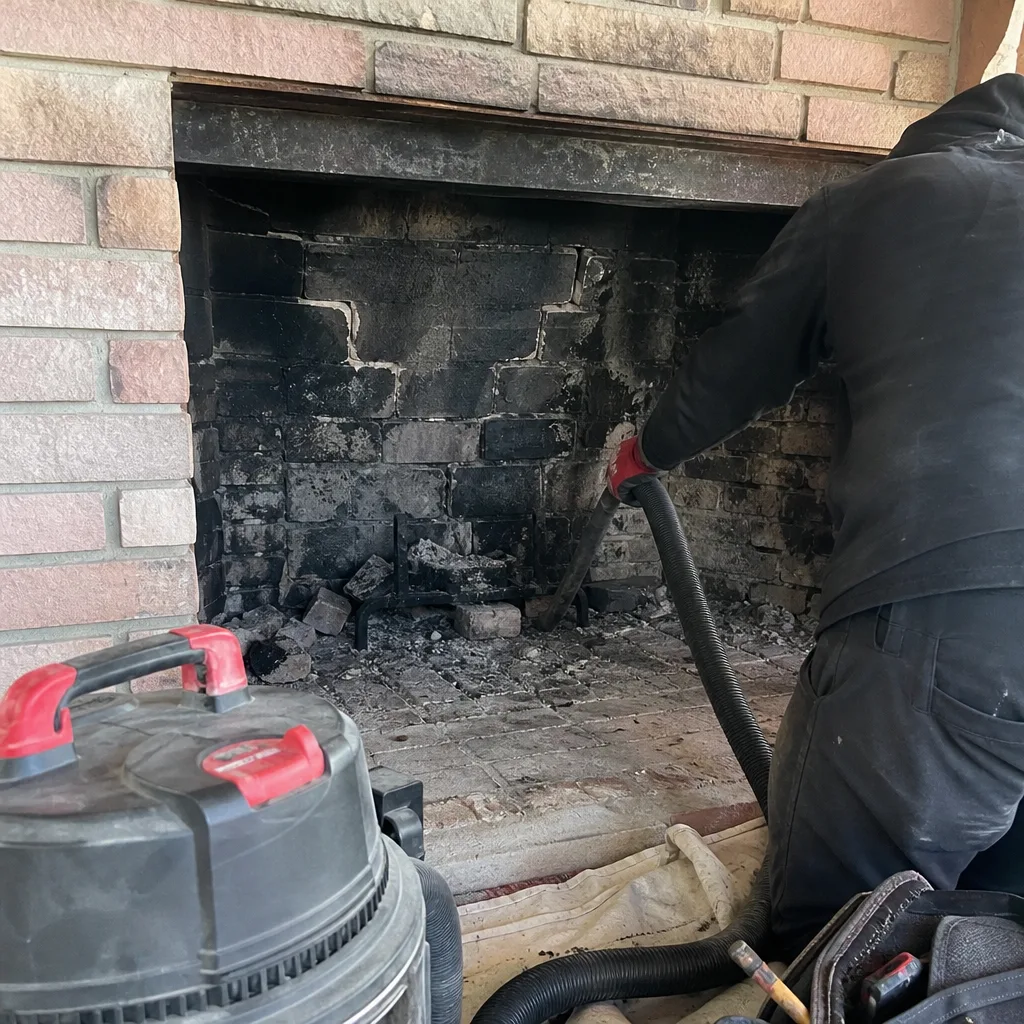 Before
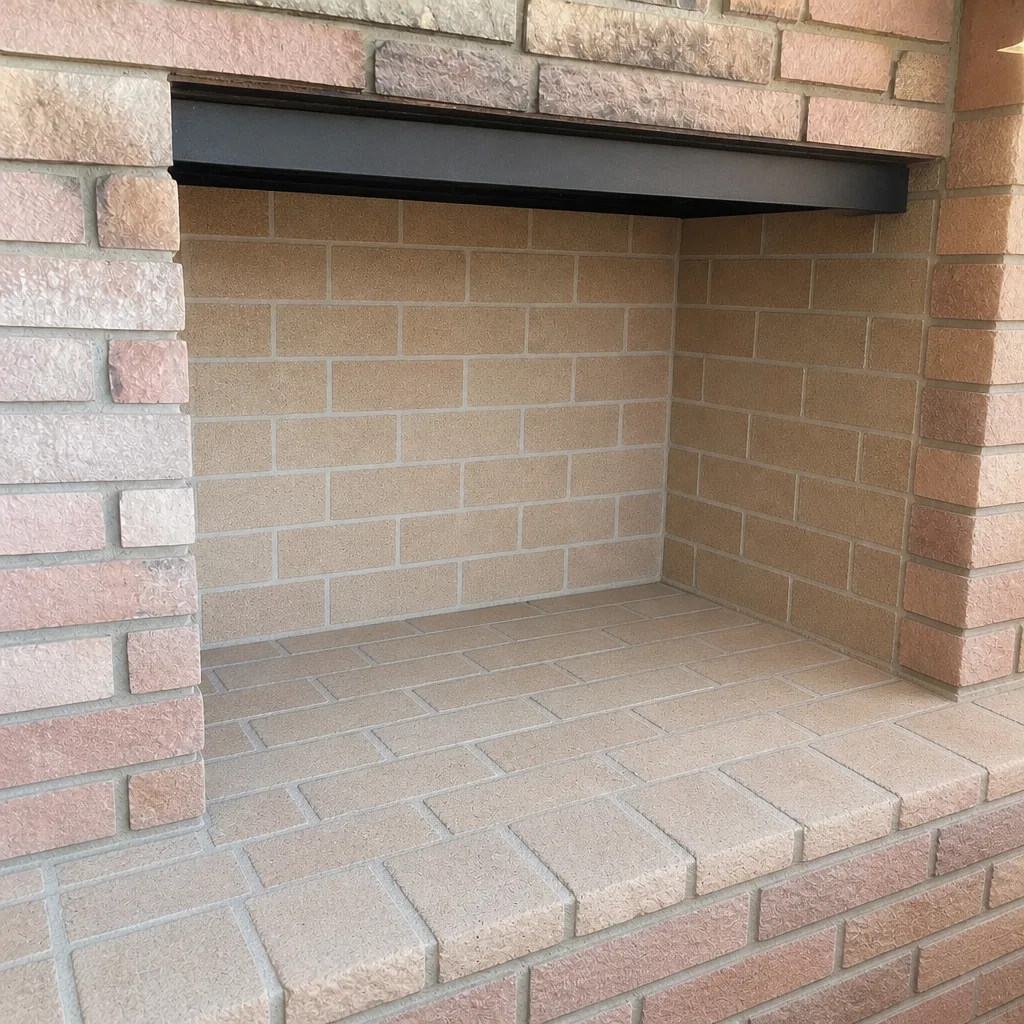 After
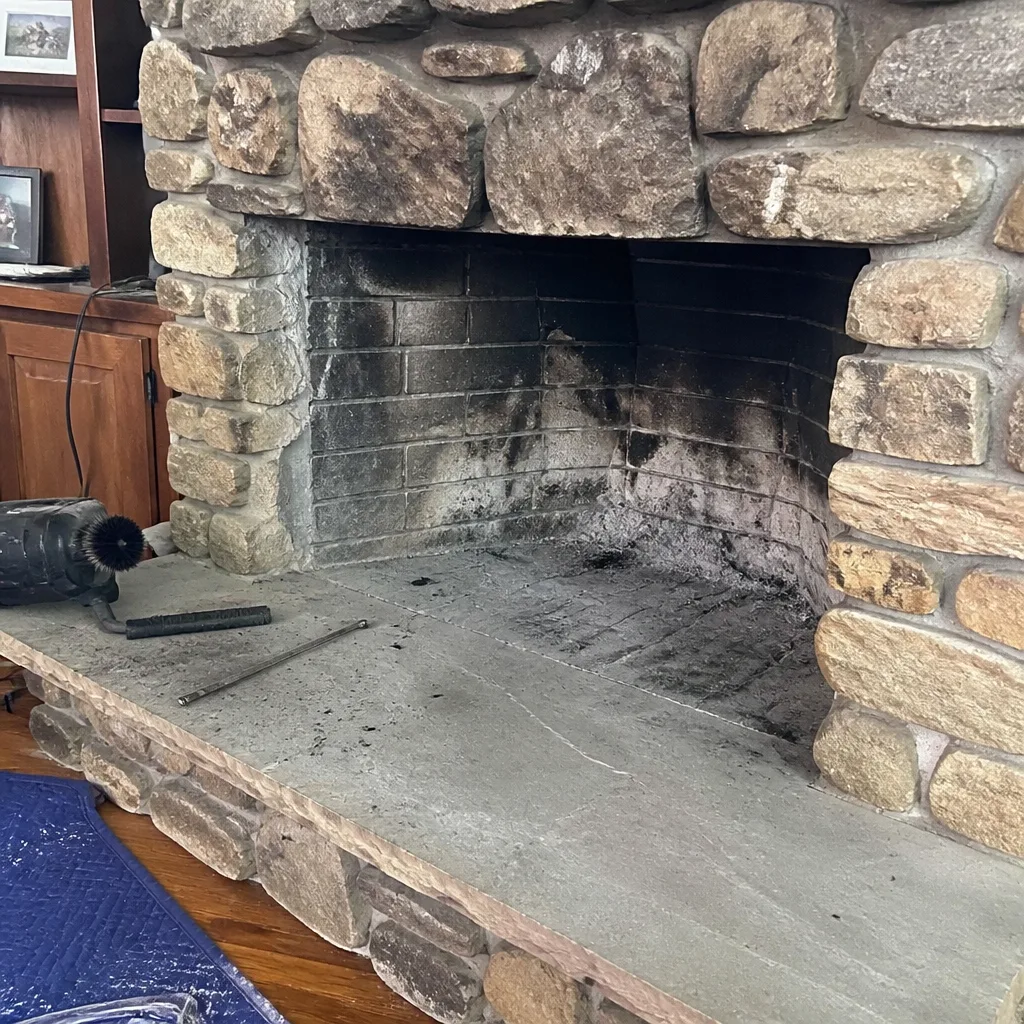 Before
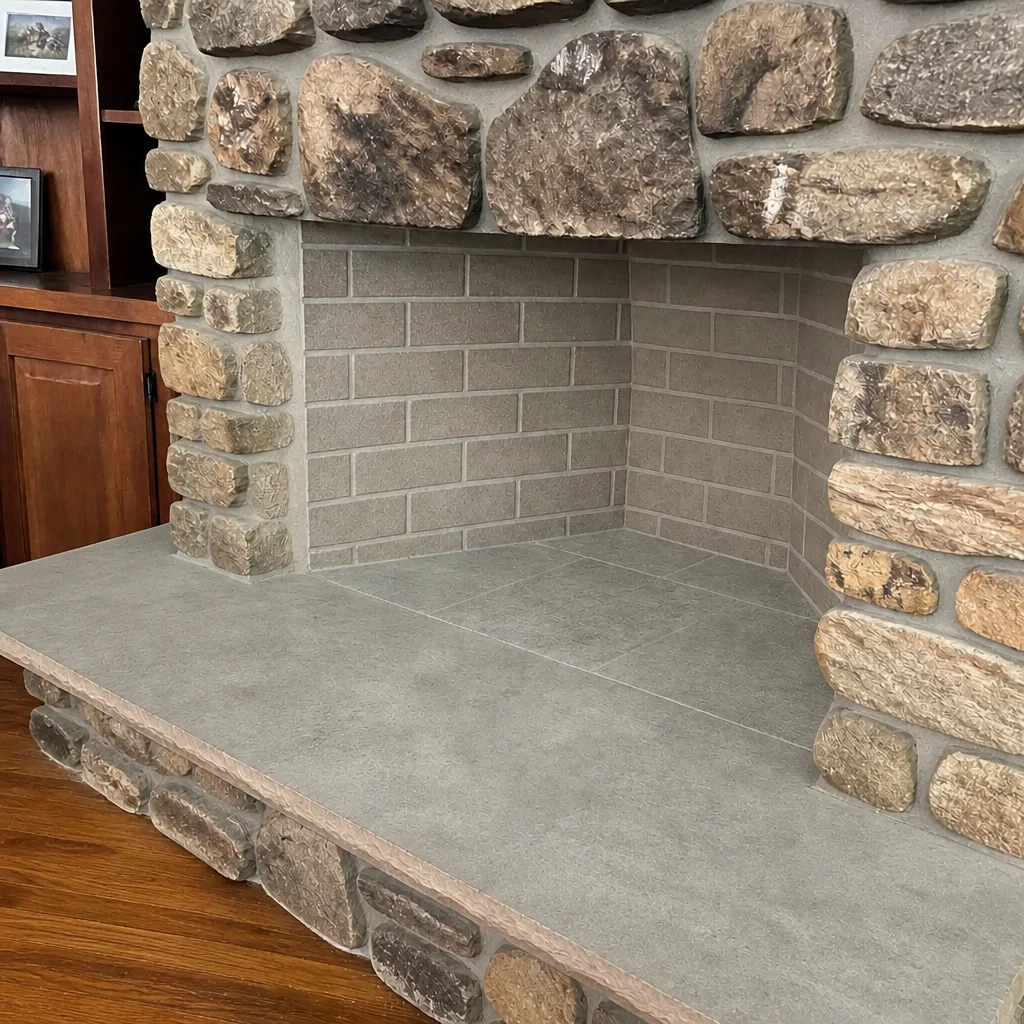 After
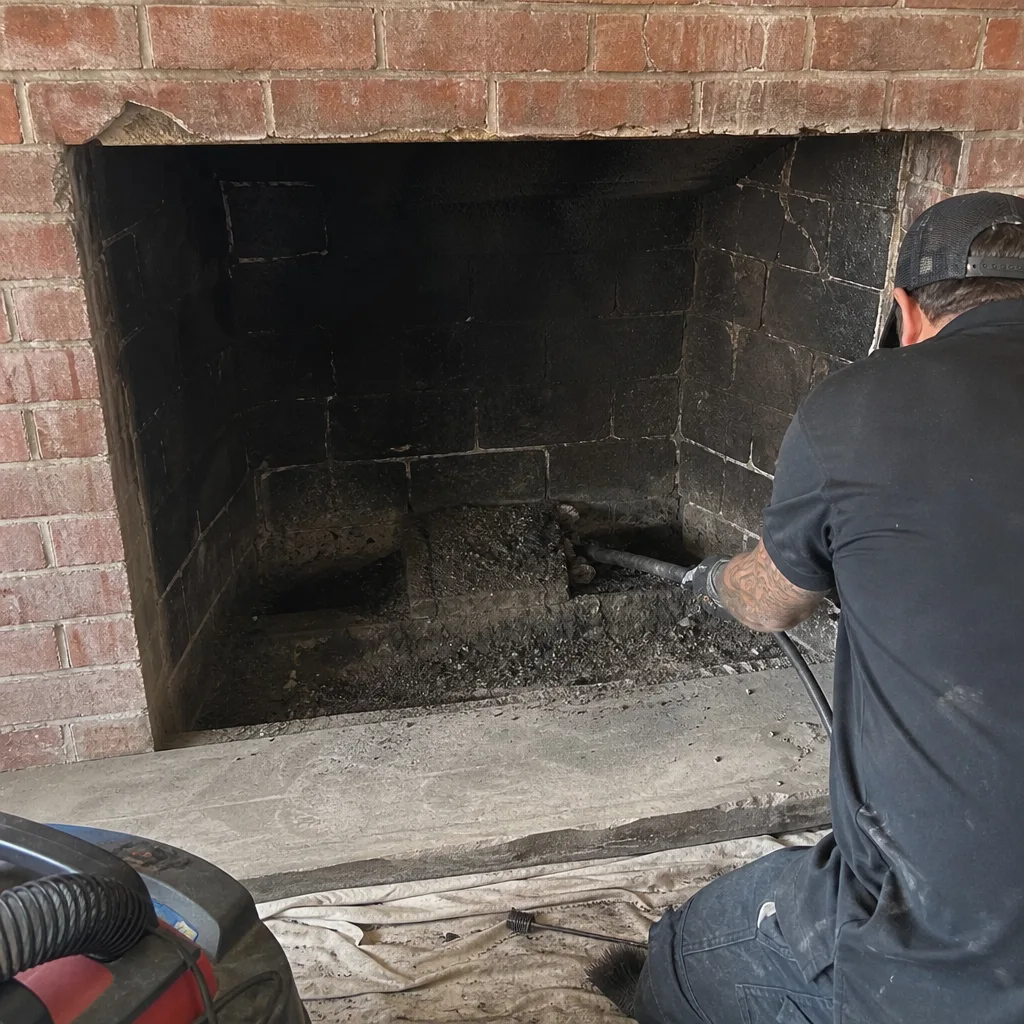 Before
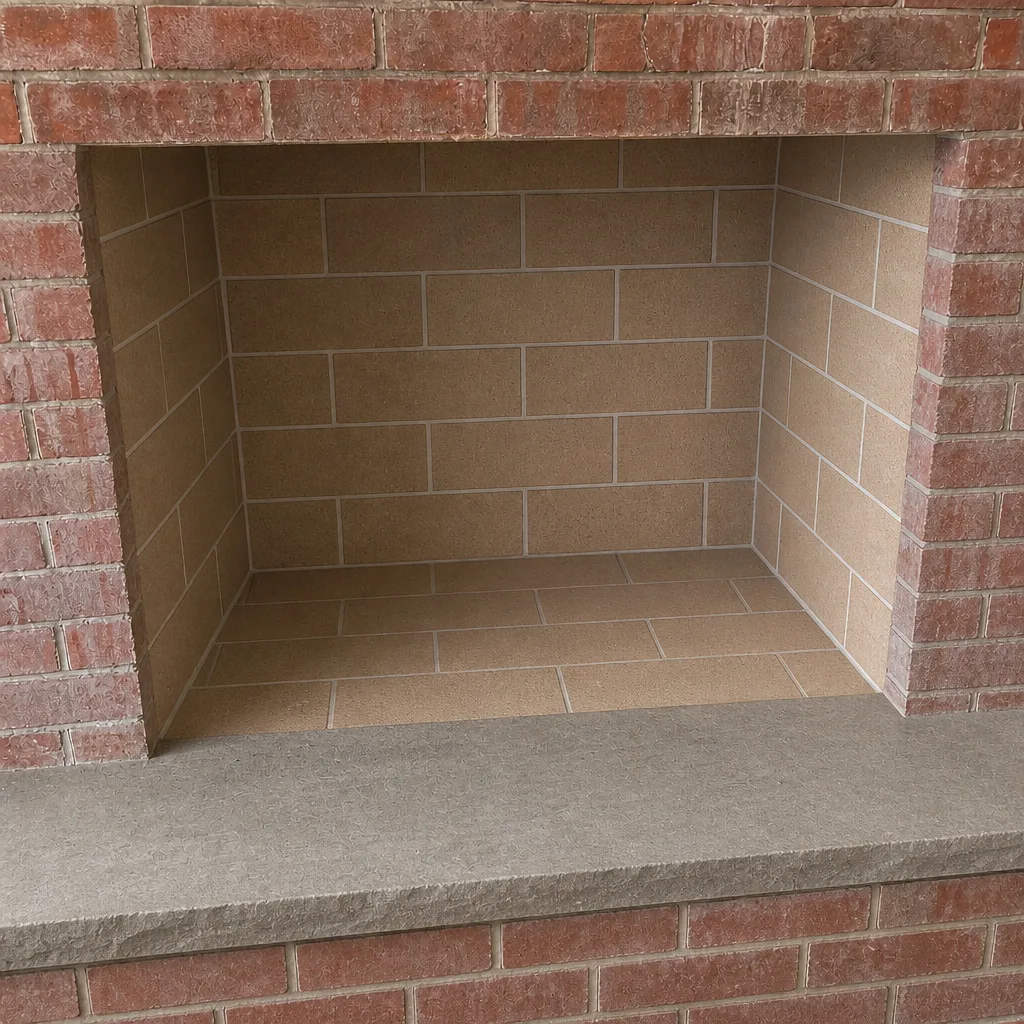 After
When to Call a Professional
Some chimney problems are safe to observe and some are not. Call a professional if you’ve had a chimney fire, if smoke is backing into the room when the fireplace is lit, if you smell creosote or a strong draft odor in the house, if the firebox shows cracked or missing brick, or if the crown is visibly cracked or pulling away from the flue. Also call if you’ve moved into a home and don’t know when the chimney was last swept, or if a home inspector flagged the chimney and you need a written evaluation. Creosote buildup and liner damage are not things to diagnose from the ground with a flashlight. A trained professional needs to see the interior. Lehi Chimney Sweep offers free estimates in Lehi. Call (877) 820-9718. We answer 24/7. Fast dispatch from 7am to 7pm, Sunday through Friday.
Frequently Asked Questions
A routine chimney sweep in Lehi typically falls in the range you’d expect for a professional service in Utah Valley, with the final price set by the written estimate after the scope is confirmed. Sweeping, inspection, and any repair work are separate line items, and the estimate should break them out. Call (877) 820-9718 for an exact quote. Estimates are free.
Only if the flue interior shows damage that a liner is needed to address. That includes cracked or spalled clay tiles, gaps at the joints, or a flue that’s the wrong size for the appliance. A liner recommendation without camera evidence is not a recommendation you should accept. Call (877) 820-9718 and we’ll show you what we see before anything is approved.
Once a year for most wood-burning households, and more often if you burn frequently through the winter. Lehi’s cold season means longer burning periods and more creosote accumulation per year than in milder climates. Gas appliances still need an annual inspection even though they produce less creosote. Call (877) 820-9718 to schedule.
Creosote builds up in layers on the flue wall, and at a certain thickness it can ignite. A chimney fire can crack the flue tiles, damage the masonry, and in serious cases spread beyond the chimney. Carbon monoxide is a separate risk when a flue is blocked or damaged. Neither outcome is common, and both are preventable with an annual sweep and inspection. Call (877) 820-9718 to get on the schedule before burning season.
No. CSIA certification verifies the individual technician’s knowledge of sweeping and inspection. It does not cover repair work, liner installation, or the company’s insurance. Treat CSIA as a starting filter and ask about repair capability, material brands, and insurance separately. Call (877) 820-9718 if you want to talk through what your chimney actually needs.
Yes. A standalone inspection is a separate service and doesn’t require a sweep. It’s the right call when you’re buying or selling a home, following up on a home inspection, or checking a chimney after a fire or appliance change. Call (877) 820-9718 to book one.
The Bottom Line
Hiring a chimney contractor in Lehi comes down to verification. Confirm CSIA certification and insurance, then confirm that the contractor can inspect, diagnose, and repair, not just sweep. Ask the five questions, get a written report with photos every visit, and compare quotes on identical scope. Treat material partnerships as a signal: a contractor who installs HeatShield and DuraFlex has made a commitment to repair work that a sweep-only operation hasn’t. The lowest quote usually reflects a scope gap, and the highest-pressure sales pitch usually reflects a recommendation you can’t verify. Verify, compare, and book before burning season.
If you’d like a straight assessment of your chimney, call Lehi Chimney Sweep at (877) 820-9718 for a free estimate. We answer 24/7. Fast dispatch from 7am to 7pm, Sunday through Friday. Every visit comes with a camera inspection and a photo report, and nothing gets recommended that you can’t see for yourself.
Written by the team at Lehi Chimney Sweep.